

Saint Faustina Kowalska

The Apostle of Divine Mercy: Her Life, Visions, and Inspiring Message for the World

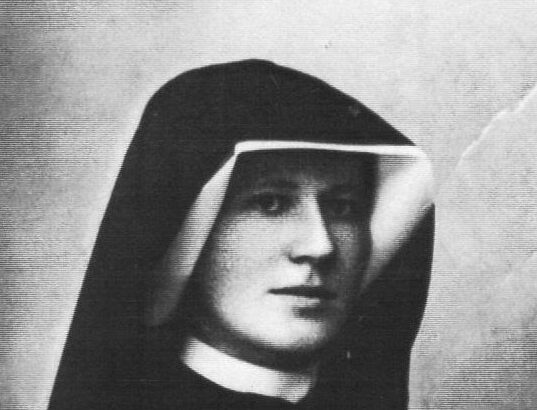
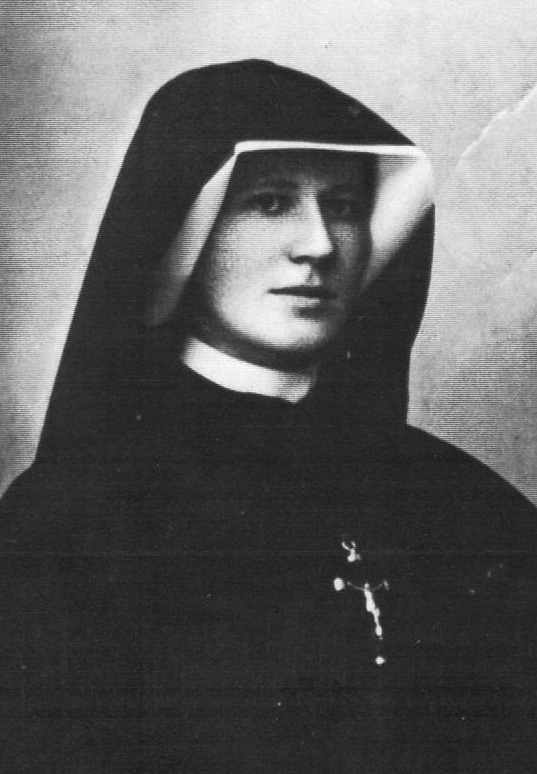
Saint Maria Faustina Kowalska in religious habit and veil, archival photograph taken in 1931
Saint Maria Faustina Kowalska (1905–1938), declared a saint by Pope John Paul II in the year 2000.
Feast Day (Memorial Day)
October 5
Declared a Saint (Canonized)
April 30, 2000 by Pope John Paul II
Known As
Apostle of Divine Mercy
Main Shrine
Kraków, Poland

Saint Faustina Kowalska was a humble Polish nun chosen by Jesus to remind the modern world of His boundless mercy and forgiveness. Born Helena Kowalska in a small Polish village, she entered convent life in 1925. Over the course of her quiet life, Jesus appeared to her in prayer and asked her to record His words in a personal diary known today as Divine Mercy in My Soul.

Her message is simple and comforting: no matter how heavy our mistakes or burdens are, God’s mercy is always greater. Below, you can explore the true story of how the Divine Mercy painting was created, the meaning of its red and pale rays, and the published articles documenting her life.

Key Topics & Stories to Explore

Clear guides to the life, visions, and miracles of St. Faustina
☀

The First Vision in Płock (1931)

On the night of February 22, 1931, Jesus appeared to Sister Faustina in her quiet convent room in Płock, asking her to paint an image of Him with the words “Jesus, I trust in You.”

Read About the First Vision →
🎨

Painting the Divine Mercy Image

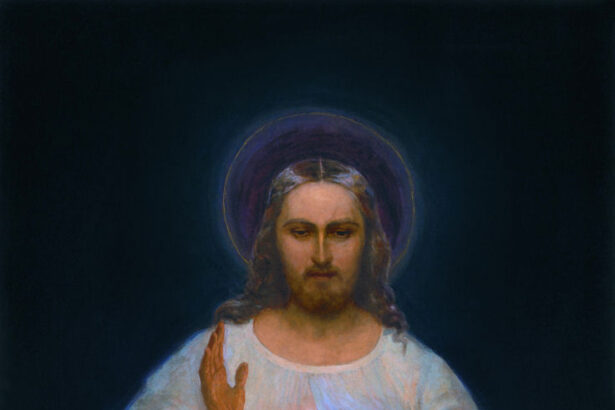
How Sister Faustina guided a professional painter named Eugeniusz Kazimirowski for six months in Vilnius, weeping because no artist on earth could capture how beautiful Jesus truly looked.

Read the Painting Story →
💧

Meaning of the Two Rays

What the two bright rays coming from Jesus mean: the pale ray stands for water that washes our souls clean, and the red ray stands for blood, which is the life of our souls in Holy Communion.

Learn the Meaning →
🧬

Match with the Shroud of Turin

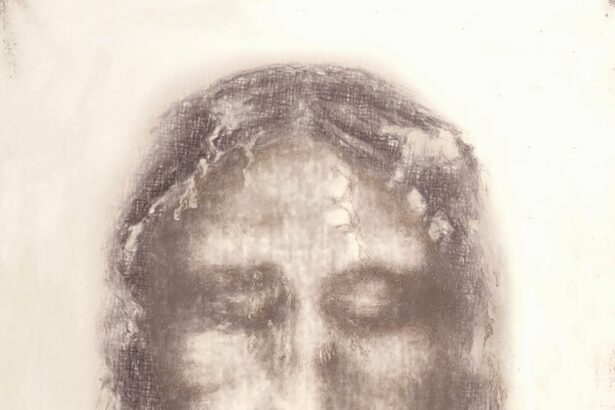
When modern researchers placed the face of the Vilnius painting over the famous Shroud of Turin, the facial features and proportions lined up almost perfectly.

See the Comparison →
⚖

The 20-Year Delay & Vatican Approval

Due to an inaccurate early translation, the devotion was put on hold for twenty years until Archbishop Karol Wojtyła (the future Pope John Paul II) investigated the original Polish writings and cleared her name.

Read How Truth Won →
🛡

How the Painting Survived the War

The remarkable story of how faithful believers hid the original painting from wartime destruction and secret police, keeping it safe until it could be placed in a sanctuary again.

Read the Survival Story →

📜 Five Ways to Practice Divine Mercy in Daily Life

Jesus gave Sister Faustina five simple devotions for prayer: 1. The Divine Mercy Image (honoring the picture with the prayer “Jesus, I trust in You”); 2. The Chaplet of Divine Mercy (a quick 5-minute prayer using standard rosary beads); 3. The 3:00 PM Hour of Mercy (taking a moment at 3:00 PM to remember Jesus’ sacrifice); 4. Divine Mercy Sunday (the Sunday right after Easter); and 5. The 9-Day Novena leading up to it.

All Published Articles on St. Faustina

Read all published stories and accounts about St. Faustina