
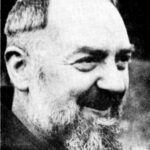

Among the supernatural gifts documented in the canonization records of Padre Pio, none was more feared or more clinically verified than *cardiognosis*: the extraordinary ability to read the secret thoughts, unconfessed sins, and hidden motives of the human soul.
Key Findings & Archival Record
- The Charism: Mystical *cardiognosis* (knowledge of hearts), the divine illumination of a confessor to perceive unexpressed sins, omitted details, and interior intentions.
- Documented Forensic Categories: 1) Reciting forgotten sins from decades prior; 2) Naming exact dates, street addresses, and monetary sums; 3) Unmasking spies and disguised inquisitors; 4) Refusing absolution to unrepentant hypocrites.
- The Case of Alberto Del Fante (1930): Outspoken anti-clerical Freemason and journalist who came to mock Pio; Pio recited Del Fante’s secret crimes word for word, resulting in a dramatic public conversion.
- The Theological Purpose: Not clairvoyance or psychic mind-reading, but a pastoral instrument of divine mercy designed to shatter spiritual blindness and pride.
1. Scene Lede: The Gaze Across the Grille
Kneeling before the wooden grille in San Giovanni Rotondo was an experience that terrified hardened criminals and self-righteous intellectuals alike. Penitents who prepared meticulous lists of minor sins frequently found themselves completely speechless.
Padre Pio would look through the veil with dark, penetrating eyes that seemed to strip away all social masks. If a penitent attempted to minimize a mortal sin or deliberately hide a transgression out of shame, Pio would interrupt with surgical precision:
“Why are you hiding that from me? You remember very well what you did in Naples in the spring of 1928, in that hotel room near the harbor… Tell it all to God!” (Zavala, Ch. V)
2. Archival Record: The Conversion of Alberto Del Fante
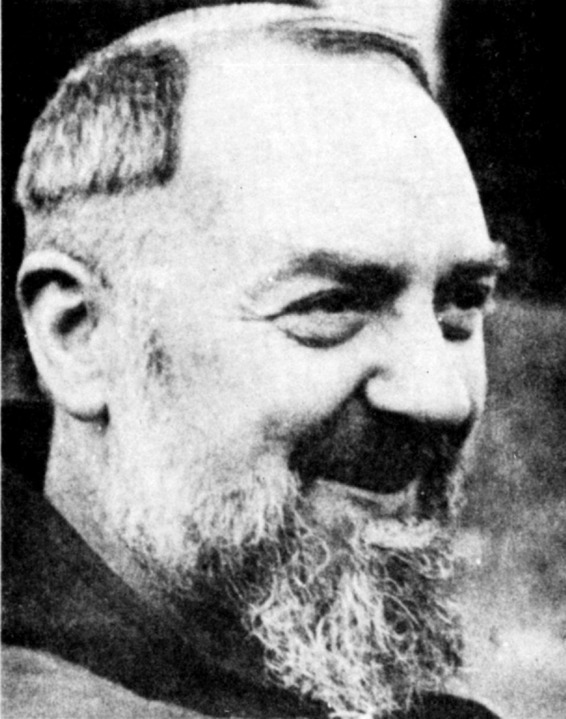
One of the most famous documented cases in the beatification annals is that of Alberto Del Fante. Del Fante was a militant Freemason, writer, and editor of an anti-Catholic journal in Bologna who had publicly attacked Padre Pio in print as a fraud and financial charlatan.
In 1930, when his nephew became critically ill, Del Fante traveled to San Giovanni Rotondo with cynical amusement. Stepping into the sacristy, Del Fante was approached directly by Padre Pio, who stopped, looked him in the face, and said:
“What, Del Fante, you here? You who have written so many beautiful things about me in your papers? Come, let us go into the confessional.” — Padre Pio to Alberto Del Fante, 1930
Inside the box, before Del Fante could speak, Padre Pio recited the journalist’s entire moral history: the secret meetings in Bologna, the abandoned family members, the exact financial transactions, and sins committed in youth that Del Fante had never spoken to any living soul. Overcome with shock and sorrow, Del Fante collapsed in tears. He returned to Bologna, renounced Freemasonry, and published two books defending the saint.
3. The Unmasking of Disguised Spies
During the periods of ecclesiastical tension, inquisitors and hostile newspapers sent disguised agents to test Padre Pio. Priests dressed in secular suits and laymen pretending to be pious pilgrims knelt in the confessional.
Padre Pio was never deceived. On one occasion, an undercover journalist knelt down to confess a fabricated story. Pio fixed him with an icy stare, banged his fist on the partition, and shouted:
“Wretched man! Are you not ashamed to come into the house of God and invent lies to write in your newspaper? Begone, and do not mock the Holy Spirit!” (Ruffin, Ch. XXII)
4. Spiritual Discernment: Nothing Hidden from God
Cardiognosis is a sobering reminder of the reality of divine omniscience. As Hebrews 4:13 declares: *”No creature is hidden from his sight, but all are naked and exposed to the eyes of him to whom we must give account.”* Padre Pio’s ability to read hearts was not meant to humiliate, but to heal. He exposed hidden wounds so that the divine Physician could pour in the balm of forgiveness.
Archival Bibliography & Primary Sources
- Del Fante, Alberto. Dal dubbio alla fede: Il mio incontro con Padre Pio. Bologna: Cappelli, 1931.
- Ruffin, C. Bernard. Padre Pio: The True Story. Our Sunday Visitor, 1982/1991 (Chapter XXII: ‘The Charismatic’).
- Carty, Rev. Charles Mortimer. Padre Pio the Stigmatist. Radio Replies Press, 1951 (Chapter V).
- Zavala, José María. Padre Pío. LibrosLibres, 2010.
Continue the investigation: Read the next chapter in the series: Tough Love at the Grille: Why He Expelled Penitents and Slammed Windows →