
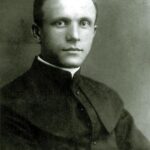

While modern medicine marveled at the stigmata, Padre Pio considered his wounds merely a backdrop to his true vocation: the tribunal of penance. For over four decades, he spent up to sixteen consecutive hours daily hearing confessions in an unheated wooden box.
Key Findings & Archival Record
- The Daily Schedule: Awakening at 3:30 AM for three hours of private meditation; celebrating Holy Mass at 5:00 AM; entering the confessional box by 6:30 AM; hearing penitents until 10:00 PM with brief breaks for choral office.
- The Numerical Volume: Processed an average of sixty to eighty confessions daily, reaching two thousand penitents per week during peak pilgrimage seasons; calculated over two million lifetime confessions.
- The Physical Toll: Endured chronic intercostal pain, bleeding palms pressed against the grille, extreme heat in summer, and freezing damp in winter without a heater or cushion.
- Nutritional Paradox: Sustained this grueling athletic endurance on an estimated caloric intake of under 500 calories daily, consisting of vegetable broth and half a glass of beer or water.
1. Scene Lede: The 4:00 AM Crowd on the Mountain
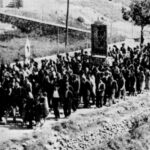
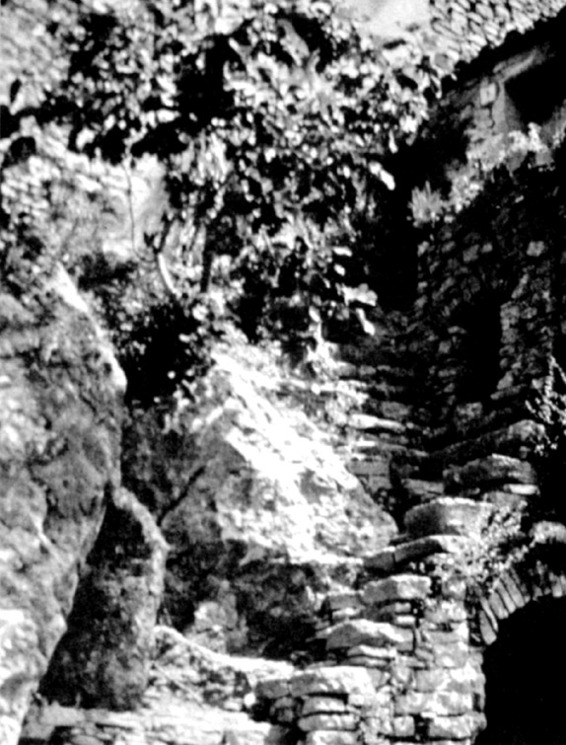
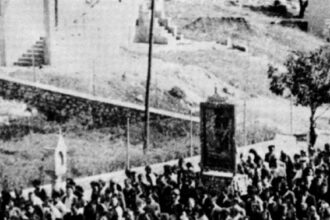
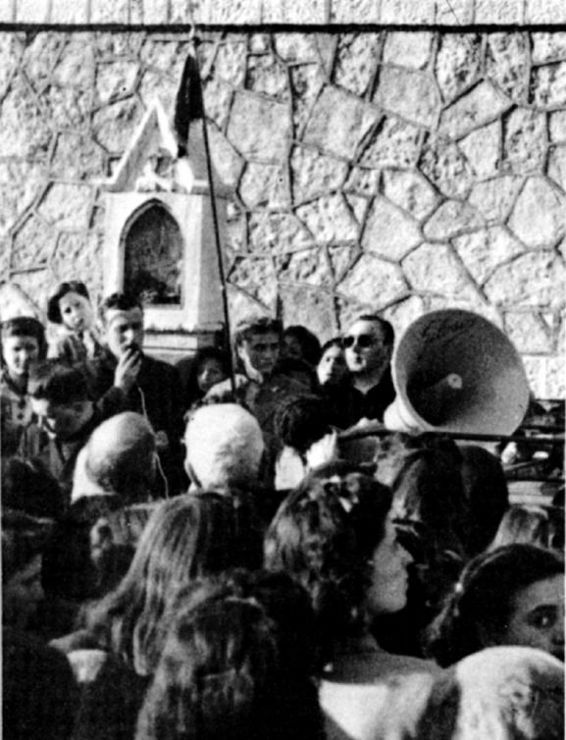
Long before dawn on the rugged limestone ridge of Mount Gargano, hundreds of lanterns flickered through the morning mist. Peasants from Apulia, university professors from Rome, and war-traumatized veterans from Europe stood shivering in lines outside the stone porch of Our Lady of Grace.
Inside the church, a simple wooden confessional stood against the wall. At 6:30 AM, after a two-hour Mass celebrated with tears and trembling, Padre Pio walked slowly down the aisle, his boots dragging slightly from the pain of his pierced feet. Stepping inside the narrow oak box, he pulled the heavy wool curtain shut.
For the next twelve to sixteen hours, that box was a spiritual operating theater. Souls entered broken, cynical, or despairing; they emerged weeping, absolved, and radically converted.
“The confessional is not an execution chamber; it is a place where human misery is swallowed up by infinite divine mercy.” (Padre Pio to his spiritual children)
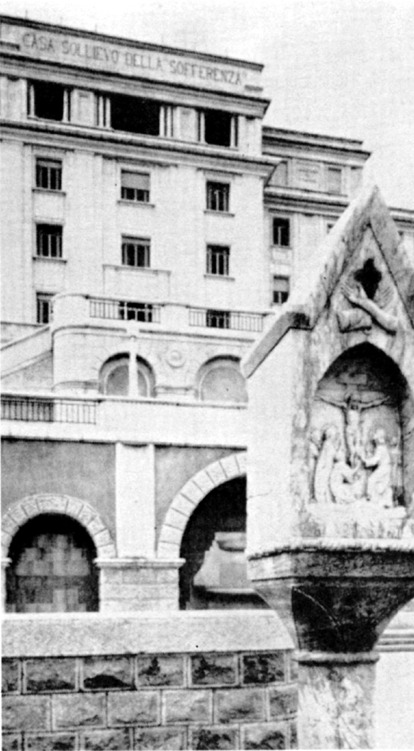
2. Archival Record: The Ticketing System of 1950
By the late 1940s, the pilgrimage volume overwhelmed the monastery. Penitents waited in line for up to three weeks, sleeping in barns and church pews. Physical brawls broke out in the piazza as desperate men and women pushed to reach the confessional doors.
To establish order, the Capuchin superiors instituted a formal municipal ticketing system in 1950. Pilgrims registered upon arrival, received a numbered coupon from the town office, and waited their turn on a digital notification board. The average wait time was seven to ten days.
“Padre Pio gave each soul an average of three to five minutes. There was no casual chit-chat, no philosophical speculation; he demanded exact, honest recitation of sins, sorrow, and firm purpose of amendment.” — Ruffin, Ch. XXI
3. The Physical Enigma of Endurance
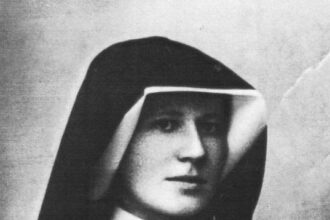
Physicians who examined Padre Pio were baffled by his physiological stamina. He was an elderly man suffering from chronic bronchitis, arthritis, severe asthma, and five bleeding open wounds that discharged fluid constantly.
Standard human biology requires sleep and nutrition to maintain cognitive function. Yet Padre Pio slept less than three hours a night, consumed virtually zero calories, and sat for sixteen hours upright in an unventilated wooden enclosure listening to agonizing human confessions with razor-sharp mental lucidity.
“When asked how he could endure such exhaustion, Padre Pio answered: ‘I do not live by bread alone; Christ sustains me, and love gives me strength to carry my children.'” (Epistolario I)
4. Spiritual Discernment: The Tribunal of Mercy
In a secular culture that seeks therapeutic validation without repentance, Padre Pio’s confessional ministry stands as a radical beacon. True healing begins not by excusing sin, but by dragging it into the light of divine mercy. The sixteen hours in the oak box demonstrate that the sacrament of penance is the highest form of spiritual surgery: painful to the ego, but life-giving to the soul.
Archival Bibliography & Primary Sources
- Ruffin, C. Bernard. Padre Pio: The True Story. Our Sunday Visitor, 1982/1991 (Chapter XXI: ‘A Day with Padre Pio’).
- Carty, Rev. Charles Mortimer. Padre Pio the Stigmatist. Radio Replies Press, 1951 (Chapter II: ‘His Work’).
- Zavala, José María. Padre Pío. LibrosLibres, 2010 (Capítulo V).
- Congregation for the Causes of Saints. Positio super virtutibus. Vatican City, 1997.
Continue the investigation: Read the next chapter in the series: The Piercing Gaze: Case Studies in Cardiognosis (Reading of Souls) →