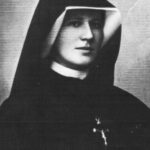

In the summer of 1924, inside a crowded dance hall in the industrial city of Łódź, nineteen-year-old Helen Kowalska took to the floor in a modest dress. She had spent two years attempting to quiet an interior call to monastic life that her impoverished parents refused to permit. Mid-step, the music stopped for her as a bloodied, scourged figure appeared at her side.
Key Findings & Archival Record
- Date & Setting: Summer 1924; “Wenecja” amusement park and dance hall, Łódź, Poland.
- The Vision: Jesus Christ appeared scourged, stripped of clothing, and covered in open wounds, speaking directly: “How long shall I put up with you and how long will you keep putting Me off?” (Diary, 9).
- Immediate Flight: Kowalska abandoned the dance, entered the Cathedral of Saint Stanislaus Kostka in Łódź, and boarded a morning train to Warsaw with zero luggage, money, or connections.
- Spiritual Significance: The definitive break between Helena’s secular life as a domestic servant and the cloistered vocation that produced the Divine Mercy revelations.
1. Scene Lede: The Ballroom in Łódź
The city of Łódź in 1924 was a noisy, smoke-choked textile metropolis known as the “Polish Manchester.” For nineteen-year-old Helena Kowalska, working sixteen-hour days as a live-in housekeeper for the Lipszyc family, an evening off with her sister Natalia and friend Lucyna at the popular “Wenecja” park was supposed to be a brief escape from poverty.
She had begged her father, Stanisław Kowalski, three separate times for permission to enter a convent. Three times, his answer had been an unyielding refusal: the family had seven daughters, heavy debts, and no money for a convent dowry. To silence the spiritual ache that troubled her conscience, Helena decided to throw herself into the rhythm of normal youth.
As she joined a dance set, the surrounding laughter and fiddle music vanished from her senses. Standing directly in front of her was Jesus Christ, scourged, stripped, and bleeding profusely as He had on Calvary.
“While everybody was having a good time, my soul was experiencing deep torments. As I began to dance, I suddenly saw Jesus at my side… who spoke these words to me: How long shall I put up with you and how long will you keep putting Me off?” (Diary, 9)
2. Archival Record: The Midnight Escape to Warsaw
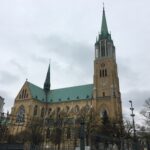
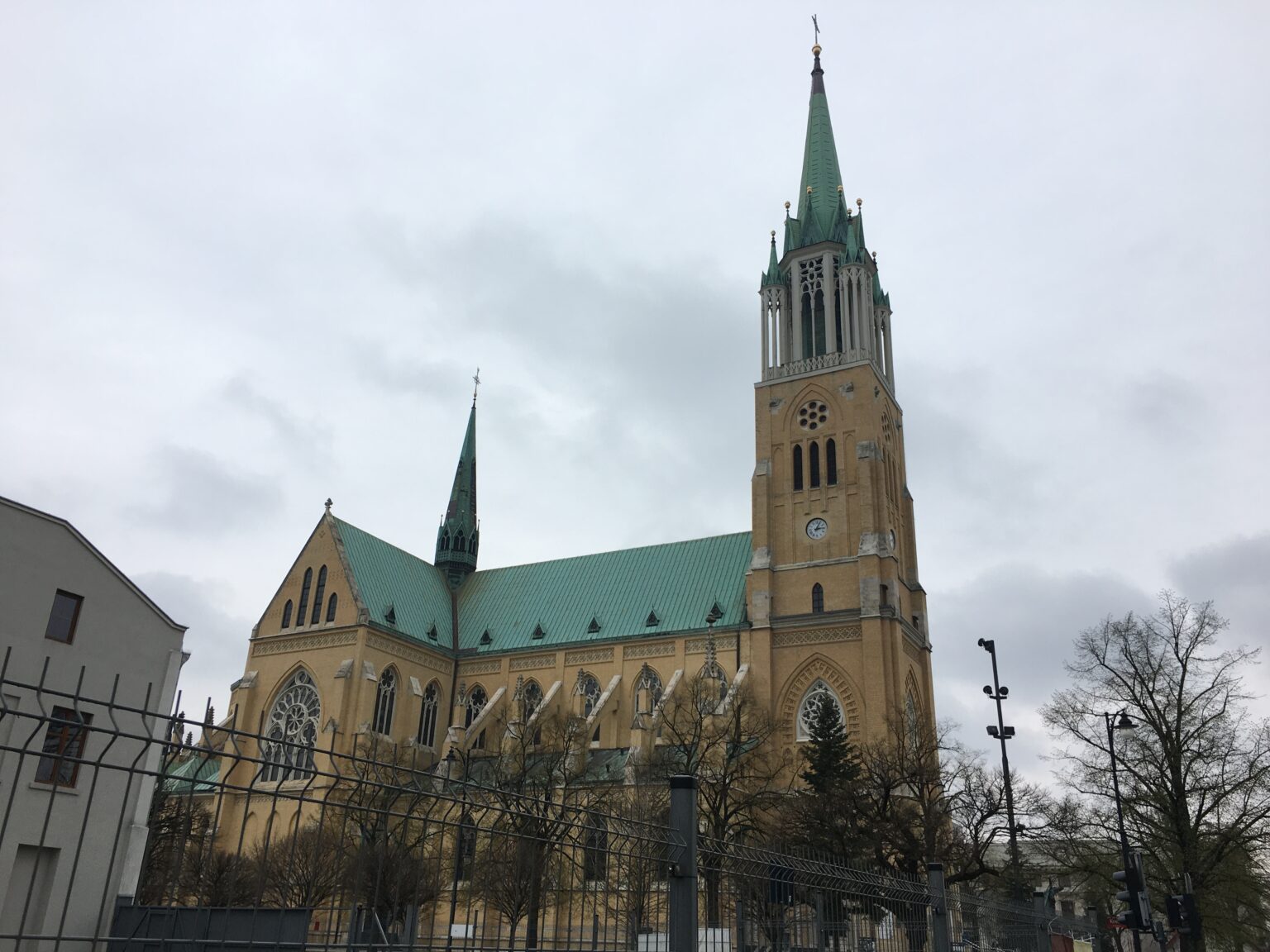
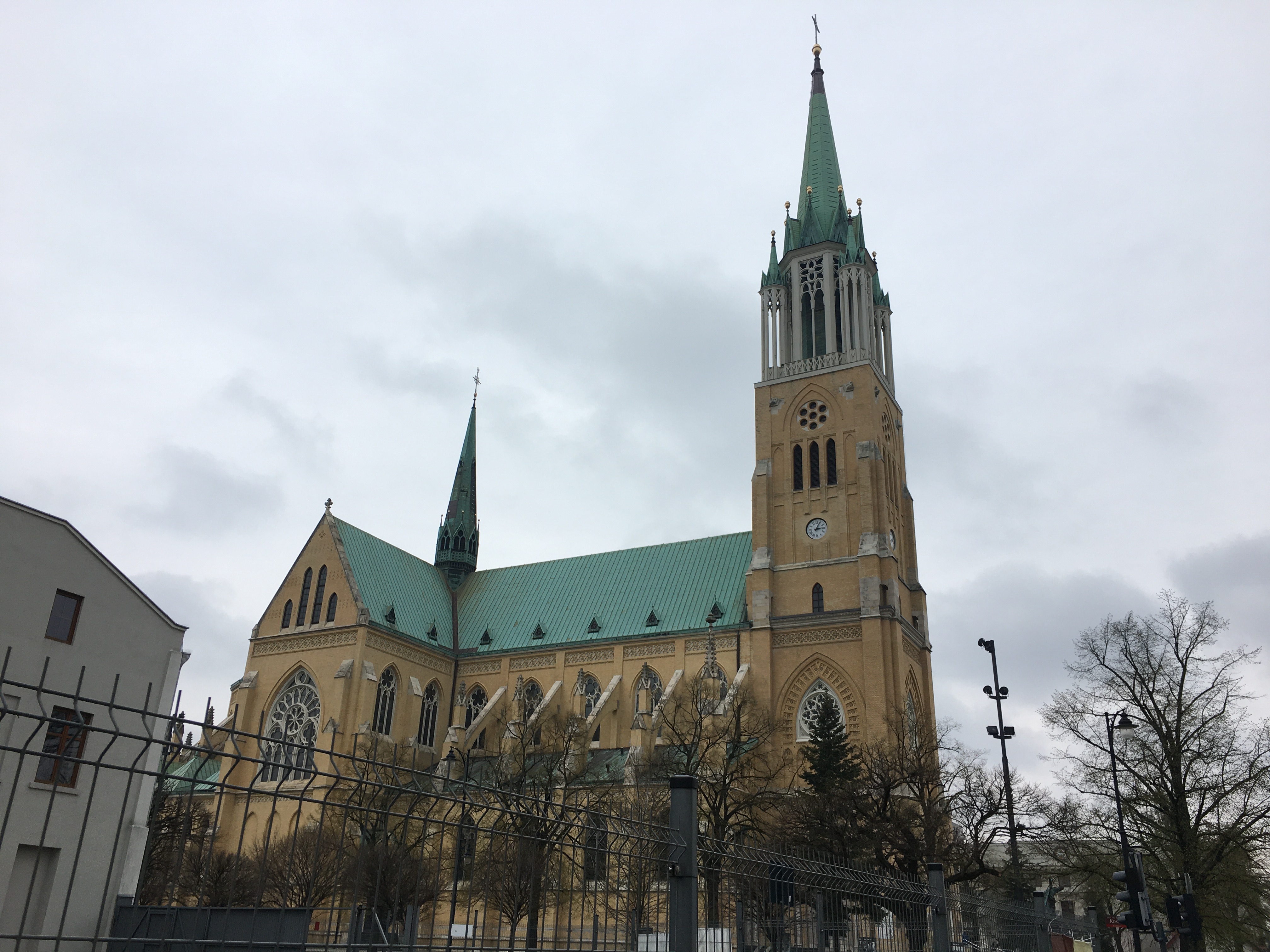
Helena excused herself from her companions, feigning a sudden headache. Slipping out of the park gates into the evening air, she ran through the streets until she reached the nearest sanctuary, the Cathedral of Saint Stanislaus Kostka.
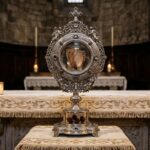
She cast herself prostrate before the tabernacle, paying no attention to who was watching. In tears, she asked what God required of her. An interior voice answered clearly: “Go at once to Warsaw; you will enter a convent there.” (Diary, 10).
The radical nature of her response defines her entire subsequent spiritual life. She did not return to her employer’s home to collect back pay. She returned to her lodging only long enough to pack nothing, whispered a tearful farewell to her sister without alerting her parents, and caught the first morning train to Warsaw.

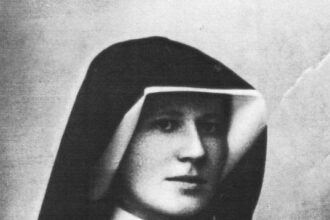
As we detailed in our foundational study of Saint Faustina’s mystical mission and canonization, she stepped onto the platform in the capital without a suitcase, a single coin to spare, or a single acquaintance in the city. Her only compass was the quiet inner conviction that had interrupted her dance.
3. Spiritual Discernment: The God Who Refuses to Be Put Off
The Latin term vocatio means an invitation, but in Helena Kowalska’s life, it manifested as an intrusion. God did not wait for her to enter a chapel or open a prayer manual; He stepped into the middle of secular amusement.
Three Reflections for Modern Seekers
- Drowning Out the Call Never Works: Helena sought the dance hall specifically to distract herself from interior unease. Worldly noise can numb a spiritual calling temporarily, but it cannot extinguish it.
- Immediate Action Over Perfect Planning: Had Helena waited until she had saved a dowry, negotiated with her father, and secured a warm reception in Warsaw, she would have never left Łódź. Obedience requires stepping into the dark.
- The Scourged Christ as Merciful Interrupter: Christ did not appear with lightning bolts of fury. He appeared bleeding and vulnerable, appealing directly to her conscience: “How long will you keep putting Me off?”
Institutional Bibliography & Primary Sources
- Kowalska, St. Maria Faustina. Diary: Divine Mercy in My Soul. Stockbridge, MA: Marian Press, 2005. (Entries 7–11).
- Borkiewicz, Rev. Irena. The Archdiocese of Łódź in the Interwar Years. Łódź: Archdiocesan Press, 1984.
- Tarnawska, Maria. Sister Faustina Kowalska: Her Life and Mission. London: Veritas Foundation, 1989.