
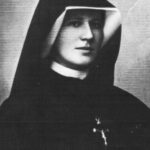

With the conclusion of Quarter 2, our archival investigation synthesizes the most dramatic and turbulent decade in Padre Pio’s life: the transition from clinical medical audits into the furnace of ecclesiastical persecution and pastoral triumph.
Key Findings & Archival Record
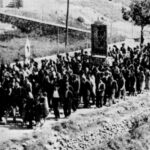
- The Ecclesiastical Crucible (Weeks 14–18): Archbishop Gagliardi’s slander, the 1923 Holy Office decree, the armed barricades of San Giovanni Rotondo, and two years of solitary confinement (1931–1933).
- The Papal Vindication (Week 19): Pope Pius XI rescinding the prohibition after uncovering the web of diocesan corruption, declaring he had been poorly informed.
- The Confessional Arsenal (Weeks 20–23): The arrival of Mary Pyle, sixteen-hour daily confession shifts, documented cardiognosis (Alberto Del Fante), and the clinical severity of salutary shock.
- The Mystical Horizon (Weeks 24–25): WWII air-raid bilocations over Puglia and nocturnal physical battles with demonic entities in Cell No. 1.
1. Scene Lede: The Forge of the 1920s and 1930s
Between 1923 and 1939, Padre Pio lived through trials that would have broken any ordinary human being. He was slandered by corrupt archbishops, stripped of his faculties by Roman congregations, and locked in a silent cell for two years. Yet through it all, he never formed a schism, never complained to the press, and never allowed his followers to rebel.
When the doors of the confessional were finally restored, he did not demand apologies. He simply climbed back into the oak box and spent sixteen hours a day pulling souls back from the precipice of eternity.
2. Archival Record: The Power of Pure Obedience
Quarter 2 demonstrates that the authentic hallmark of Christian sanctity is obedience. Intellectual brilliance, miraculous charisms, and theological fame mean nothing if divorced from submission to the Church.
Padre Pio proved that it is possible to endure injustice from ecclesiastical superiors while maintaining supreme love for the Bride of Christ. By allowing himself to be silenced, he allowed God to vindicate him. Pope Pius XI eventually saw through the fog of deceit, removed the corrupt prelates, and restored the friar to the universal Church.
3. The Horizon Ahead: Entering Quarter 3
As we transition into Quarter 3 (Weeks 27 to 39), the investigation turns from interior warfare to monumental public charity. On a barren limestone mountain slope, Padre Pio would embark upon the greatest construction project of his life: the **Casa Sollievo della Sofferenza** (The Home for the Relief of Suffering), funded by a single ten-franc gold coin, American postwar aid, and millions of lay donations.
Yet charity would bring a new wave of persecution: the 1958 Giuffrè financial scandal, hostile apostolic visitations, and clandestine wiretaps planted by rogue friars inside his very confessional.
“Suffering is our daily bread; but when bread is broken in love, it feeds a starving world.” (Padre Pio to the Hospital Committee)
4. Spiritual Discernment: The Tribunal of Mercy
Quarter 2 establishes that the most significant battlefield on earth is not geopolitical or economic; it is the human conscience. Padre Pio’s sixteen hours in the confessional were a daily rescue mission, snatching souls from spiritual death and restoring them to divine life. For modern seekers feeling weighed down by past shame, Quarter 2 declares with resounding certainty: no sin is too dark, no past too stained, to be redeemed by the boundless mercy of God.
Archival Bibliography & Primary Sources
- Ruffin, C. Bernard. Padre Pio: The True Story. Our Sunday Visitor, 1982/1991 (Chapters XIV–XXII).
- Carty, Rev. Charles Mortimer. Padre Pio the Stigmatist. Radio Replies Press, 1951.
- da Pobladura, Melchiorre, ed. Epistolario I: Corrispondenza con i direttori spirituali. San Giovanni Rotondo, 1984.
- Zavala, José María. Padre Pío. LibrosLibres, 2010.
Continue the investigation: Read the next chapter in the series: The 10-Franc Gold Coin: The January 9, 1940 Hospital Committee →