



To step into the handwritten spiritual journals of Saint Maria Faustina Kowalska is to step onto an active, violent battlefield. While popular devotional culture frequently reduces convent life to serene contemplation and tranquil cloisters, the historical reality documented in Faustina’s six notebooks was characterized by frequent, brutal clashes with demonic entities. In the dark monastic cells of Płock, Vilnius, and Kraków-Łagiewniki, devils overturned her iron bedstead, manifested as monstrous phantom beasts, hurled burning sulfur, and whispered relentless commands to abandon prayer, proving that where the ocean of Divine Mercy surges forth, the fury of hell detonates with equal intensity.
Key Findings & Archival Record
- Documented Phenomenon: Severe preternatural and demonic physical assaults recorded between 1934 and 1938 across Vilnius, Warsaw, and Kraków.
- Manifestations: Physical violence, crushing pressure, shattering of furniture, burning phantom fires, and monstrous appearances designed to induce panic and despair (Diary, 412, 713).
- The Demon’s Confession: Demons openly screamed their terror of the Divine Mercy: “We hate you because you are snatching millions of souls from us through this mercy!” (Diary, 412).
- Spiritual Antidote: Faustina never panicked or engaged in dialogue; she employed the Sign of the Cross, holy water, invocations of the Holy Name, and absolute obedience to her confessor, causing the apparitions to dissolve instantly like smoke.
1. Scene Lede: The Night of the Phantom Hounds
In October 1936, inside the convent of Our Lady of Mercy in Kraków-Łagiewniki, autumn winds rattled the windowpanes of Sister Faustina’s small cell. Exhausted from a grueling day of convent duties and racked by early symptoms of pulmonary tuberculosis, the thirty-one-year-old nun lay down on her hard straw mattress. In the dead of night, the temperature in the cell suddenly plummeted. The silence was shattered by low, guttural snarling.
Opening her eyes, Faustina found her cell packed with terrifying, monstrous beasts resembling enormous black hounds. Their eyes burned with hellish fire, their jaws dripped with frothing bile, and their breath smelled of suffocating sulfur. They circled her bed, tearing at her wool blanket with phantom claws and threatening to rip her to shreds if she did not renounce the message of mercy she had received in the cell in Płock.
In Diary entry 713, Faustina recorded her clinical, fearless reaction to the horror:
The nut graph of Faustina’s warfare cuts through sensationalism to reveal the classical theology of demonic activity. The devil does not attack everyone with physical apparitions; he targets those who threaten his territorial dominion. Faustina was targeted because her mission was dismantling the kingdom of darkness by snatching dying souls from the brink of hell.
2. Archival Record: Why Demons Hate the Divine Mercy
Why did hell focus such concentrated fury on an uneducated Polish peasant sister? In entry 412 of her diary, written during the historic April 1935 triduum at Ostra Brama in Vilnius, Faustina recorded a direct confession wrung from demonic spirits by divine command:
Demonic strategy relies on two complementary deceptions: first, tempting human beings to sin by making sin appear trivial; second, once sin is committed, plunging the sinner into despair by convincing them that their guilt is too great for God to forgive. As we will discover in our next deep-dive on the Dialogue with a Despairing Soul, Divine Mercy destroys both lies simultaneously. It exposes the horror of sin through the Two Rays of Calvary while offering unconditional forgiveness to any soul that turns back in repentance.
3. The Physical Assaults: Bed-Shaking and Broken Furniture
Convent records and witness depositions from the beatification process confirm that Faustina’s warfare was not merely subjective psychology. Other sisters in the convent occasionally heard violent crashing sounds emanating from Faustina’s room late at night, only to find the sister in prayer and the furniture overturned.
On one occasion, devils shook her bed with such violent force that she was thrown onto the stone floor. On another occasion, as she sat writing in her notebooks under obedience to Father Michał Sopoćko, a shadowy entity manifested and tore the paper from her hands, hissing that her writings would be banned and destroyed by Rome, a chilling premonition of the 20-year Vatican freeze that followed in 1959. Faustina calmly dipped her pen into ink, signed the page with the Cross, and continued writing.
4. Spiritual Reality & Discernment: The Rules of Engagement
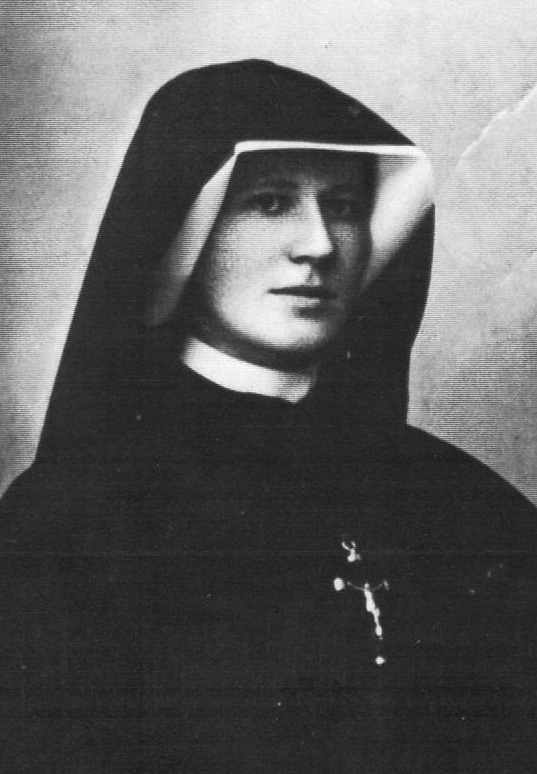
Sister Faustina’s notebooks provide an invaluable field manual for anyone experiencing spiritual oppression, acute temptation, or irrational panic.
Four Foundational Rules of Spiritual Warfare
1. Never Engage the Enemy in Dialogue: Faustina never debated the demons. She knew that Satan is an ancient, superior intellect capable of out-arguing any human mind. When tempted to despair or pride, her only answer was the Name of Jesus and the Sign of the Cross.
2. Radical Obedience Disarms Hell: In Catholic exorcism theology, Satan’s root sin is rebellion (Non serviam). Therefore, the weapon he fears most is humble obedience. Whenever Faustina submitted her interior experiences to her confessor, Father Sopoćko, the demonic illusions collapsed instantly.
3. Trust is a Bulletproof Shield: Demons feed on human fear. When you panic, you empower the illusion. In Diary entry 1460, Christ reminded Faustina that the enemy cannot cross the boundary of God’s permissive will. Confessing “Jesus, I trust in You” renders the soul legally invulnerable.
4. The Power of the Chaplet: As revealed during the vision of the Angel of Wrath, offering the Body and Blood of Christ instantly disarms all spiritual wrath.
Institutional Bibliography & Archival Records
Kowalska, Saint Maria Faustina. Diary: Divine Mercy in My Soul. Stockbridge, MA: Marian Press, 2005. Entries 412, 713, 1460, 1565.
Amorth, Rev. Gabriele. An Exorcist: More Stories. San Francisco: Ignatius Press, 2002.
Borkiewicz, Jan. Mistyczne Walki Świętej Siostry Faustyny. Kraków: Wydawnictwo WAM, 2001.
Congregation of the Sisters of Our Lady of Mercy. Testimonies of the Sisters on Preternatural Events in Łagiewniki. Kraków Archives, 1947.