

Behind the quiet stone corridors of San Giovanni Rotondo lay a nocturnal reality that terrified his fellow Capuchins: Cell No. 1 was an arena of physical combat where demons battered the wounded friar with terrifying violence.
Key Findings & Archival Record
- The Eyewitness Friars: Chronicled in the sworn journals of Father Agostino, Father Benedetto, and attending nurse-friars Padre Pellegrino and Padre Alessio Parente.
- The Nocturnal Noises: Crashing furniture, shattering glass, screaming, and the sound of iron chains clattering down the stone corridor between 1:00 AM and 3:00 AM.
- Physical Trauma: Friars running into Cell No. 1 found the heavy iron bed overturned, sheets soaked with blood, and Padre Pio battered unconscious on the stone floor with black eyes and fractured ribs.
- The Demonic Nicknames: Padre Pio referred to his tormentors with holy contempt as “Barabba,” “the filthy beasts,” or “the ugly rogues,” mocking their inability to overcome the name of Jesus and Mary.
1. Scene Lede: Midnight in the Monastic Dormitory
The Capuchin monastery was enveloped in absolute monastic silence. Around two o’clock in the morning, a deafening crash echoed down the hallway, shaking the stone floorboards. It was followed by the sound of heavy iron furniture being hurled against masonry walls and guttural, inhuman shrieks.
Father Paolino and fellow friars leapt from their beds, lit kerosene lamps, and rushed down the dark corridor toward Cell No. 1. Pushing the heavy wooden door open, they were met with a scene of devastation.
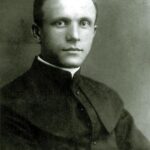
The heavy iron bedstead had been tipped upside down; books and prayer papers were scattered across the room; and thirty-five-year-old Padre Pio lay slumped against the wall in his brown habit, bruised, bloodied, and clutching his wooden Rosary tightly between wounded fingers.
“The friars helped him up and asked what had happened. Pio smiled weakly through his swollen lips: ‘The filthy beasts came again… They thought they could frighten me, but the Madonna was with me.'” (Ruffin, Ch. VIII)
2. Archival Record: The Letters to Father Agostino
In confidential correspondence to his spiritual director Father Agostino, Padre Pio documented the psychological and physical tactics of the demonic assaults with shocking detail:
“Those devils do not stop tormenting me. They beat me continuously, tear off my habit, and throw me out of bed. They appear as snarling black cats, as naked dancing women, or as monstrous beasts with fiery eyes… When I pronounce the Holy Names of Jesus and Mary, they shriek with rage and vanish like smoke.” — Epistolario I, Letter 245
The demons were particularly enraged whenever a great sinner or Freemason was traveling up the mountain to make their confession the following morning. The nocturnal violence was proportional to the spiritual prize that was about to be snatched from hell’s grip.
3. The Defaced Letters and the Inked Pages
The battle extended even to his correspondence. When Father Agostino sent letters containing spiritual counsel, the demons frequently attacked the envelopes in transit. Friars documented envelopes arriving with large, charred scorch marks, or pages covered in thick, black ink stains that obliterated the text.
Padre Pio would take holy water, sprinkle the blackened parchment, and make the Sign of the Cross. The ink stains would become transparent, allowing the spiritual director’s words to be read perfectly beneath the blotches.
“Barabba tried to prevent me from reading your letter by smearing it with filthy ink. But a little holy water put the enemy to flight.” (Epistolario I)
4. Spiritual Discernment: The Reality of Spiritual Warfare
In an era that has largely demythologized the demonic, reducing evil to psychological pathology or social conditioning, Padre Pio’s life reaffirms the biblical reality of the unseen realm. Satan is real, active, and violently opposed to the salvation of souls. Yet Pio’s attitude was never one of fear or obsession; he treated evil with mocking holy contempt, knowing that Christ has already conquered through the cross.
Archival Bibliography & Primary Sources
- Ruffin, C. Bernard. Padre Pio: The True Story. Our Sunday Visitor, 1982/1991 (Chapters VI & VIII).
- da Pobladura, Melchiorre, ed. Epistolario I: Corrispondenza con i direttori spirituali. San Giovanni Rotondo, 1984.
- Carty, Rev. Charles Mortimer. Padre Pio the Stigmatist. Radio Replies Press, 1951.
- Zavala, José María. Padre Pío. LibrosLibres, 2010 (Capítulo XXVII: ‘Menudas nochecitas’).
Continue the investigation: Read the next chapter in the series: Quarter 2 Retrospective: The Tribunal of Divine Mercy →