
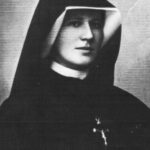

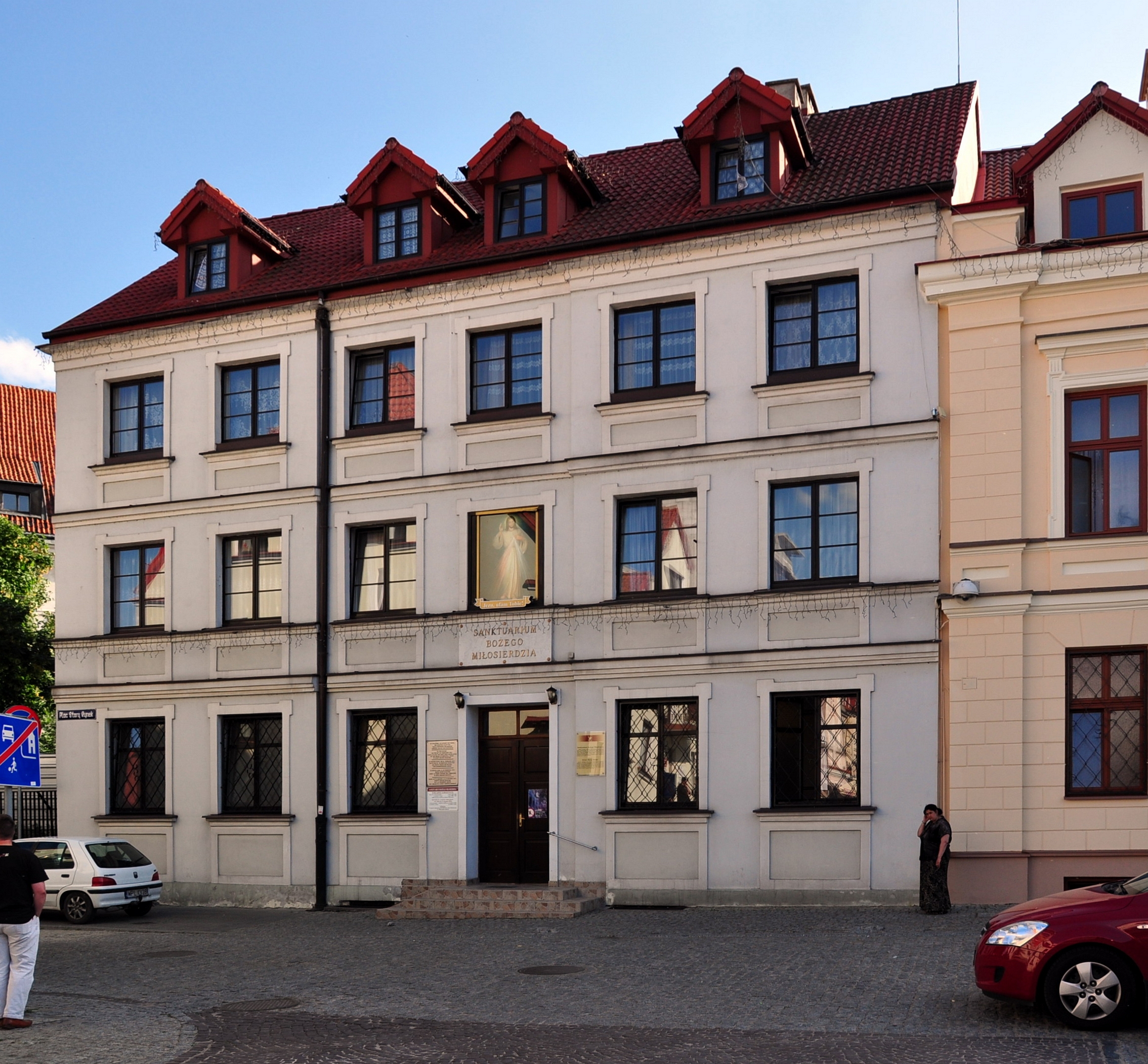
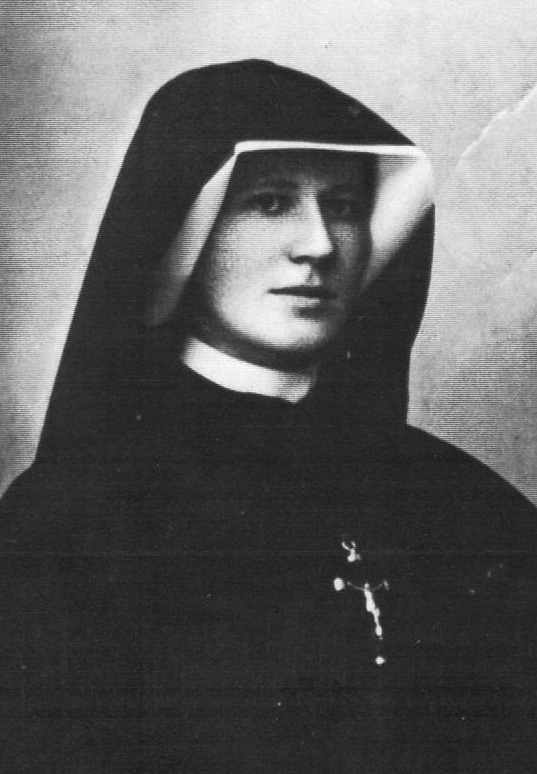
In the bustling interwar railway stations of 1930s Poland, amidst steam locomotives, soot, luggage porters, and crowded third-class wooden carriages, solitary religious sisters traveling between convents faced numerous hazards. For Sister Maria Faustina Kowalska, frequent monastic transfers required long, grueling rail journeys across hundreds of miles connecting Warsaw, Płock, Vilnius, and Kraków. Yet while travelers saw only an impoverished peasant nun carrying a modest wicker valise, Faustina was surrounded by an astonishing celestial escort: her Guardian Angel appeared visibly by her side on train coaches, protecting her from aggressive passengers, physical exhaustion, and unseen spiritual ambushes.
Key Findings & Archival Record
- Historical Setting: 1933 to 1936; steam railway transit routes between Warsaw, Vilnius, and Kraków-Łagiewniki.
- Physical Reality: Monastic protocol required second-class coadjutrix sisters to travel in the cheapest third-class rail cars, which were crowded with factory workers, soldiers, and drunken travelers, often in freezing unheated carriages.
- The Visible Phenomenon: On multiple journeys, Faustina saw her Guardian Angel seated directly beside her, radiating heavenly dignity, looking upon her with deep kindness, and remaining with her throughout the entire transit until she reached the convent threshold (Diary, 490, 630).
- Theological Confirmation: Validates Catholic angelology, showing that Guardian Angels are active, conscious protectors operating in ordinary physical environments.
1. Scene Lede: The Steam Platform at Warsaw Central
The winter platform at the Warsaw railway station in 1935 was cold and chaotic. Heavy steam locomotives hissed clouds of white vapor into the freezing gray air. Passengers crowded toward the wooden doors of third-class passenger coaches, hauling cardboard suitcases, military duffel bags, and crates of produce. Among them walked Sister Faustina Kowalska, dressed in the heavy black habit and coarse wool veil of the Sisters of Our Lady of Mercy.
She was thirty years old, feverish from early tuberculosis, and carrying a transfer order from her superiors to relocate from Warsaw to the convent in Vilnius. In the social climate of the mid-1930s, solitary nuns traveling on public transit were sometimes targets of anti-clerical insults, rude stares, or drunken harassment. Faustina found a seat on a hard wooden bench next to a frosted windowpane, clutching her rosary beads inside her habit sleeve.
As the train lurched forward with a metallic screech, Faustina turned toward the passenger seated beside her. To the human eye, the seat was unoccupied. But to her opened spiritual vision, there sat a magnificent celestial being: her Guardian Angel, clothed in garments of subdued light, radiating majestic serenity and looking upon her with boundless affection.
2. Archival Record: The Diary Accounts of Angelic Escorts
In Diary entry 490, written during her transfer journey from Warsaw to Vilnius, Faustina documented the experience with characteristic simplicity:
This was not an isolated mystical event. In entry 630, while traveling by coach across rural Poland, Faustina noted that her Guardian Angel not only accompanied her, but actively engaged in prayer with her:
Furthermore, in entry 706, when demonic entities attempted to ambush Faustina during a night vigil, her Guardian Angel stepped forward with a drawn sword of radiant flame, driving the shadowy beasts back into the darkness. The angel was not a passive spectator; he was an active combatant assigned to guard the vessel of Divine Mercy.
3. Theological Depth: Catholic Angelology Restored
The nut graph of Faustina’s angelic encounters rescues Christian angelology from secular sentimentalism. Modern commercial culture depicts angels as chubby infants with harps or decorative holiday ornaments. Catholic dogma, grounded in Saint Thomas Aquinas’s Summa Theologiae (First Part, Questions 50–64), paints a radically different picture: angels are pure spiritual intellects possessing vast cognitive power, lightning velocity, and immense spiritual authority.
According to the Catechism of the Catholic Church (paragraph 336), “From its beginning until death, human life is surrounded by their watchful care and intercession. Beside each believer stands an angel as protector and shepherd leading him to life.”
Faustina’s train journey proves that angelic guardianship is not confined to church sanctuaries or monasteries. Angels enter subway cars, hospital corridors, crowded highways, and factory floors. They do not prevent all earthly hardship, but they govern circumstances, shield our minds from spiritual despair, and offer continuous adoration to God on our behalf.
4. Practical Protocol: Cultivating Friendship with Your Angel
Most Christians live as practical functional atheists regarding their Guardian Angels, entirely ignoring the spiritual bodyguard walking beside them. Faustina’s diary outlines three simple, practical ways to awaken this relationship:
1. Greet your angel upon leaving the house: Before driving on the freeway, boarding public transit, or walking into a stressful meeting, silently acknowledge your Guardian Angel: “Holy Angel, companion of my life, guide my steps, preserve me from accidents, and protect my thoughts today.”
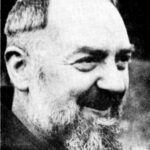
2. Send your angel ahead to resolve conflicts: When facing an estranged family member, a hostile supervisor, or a difficult conversation, follow the ancient Capuchin tradition practiced by Saint Padre Pio: ask your Guardian Angel to fly ahead and speak to the angel of the other person, softening their heart before you arrive.
3. Never consider yourself alone: In moments of acute loneliness, grief, or insomnia, remember Faustina’s third-class train carriage. You are never alone in a room, on a hospital bed, or in an empty house. An immortal, loving spirit created specifically to care for you is gazing upon you with unwavering loyalty.
5. Institutional Bibliography & Transparency
This article references ecclesiastical doctrine, scholastic theology, and critical editions of Saint Faustina’s writings:
- Kowalska, Maria Faustina. Diary: Divine Mercy in My Soul. Stockbridge, MA: Marian Press, 2003. Paragraphs 490, 630, 706, 1271.
- Thomas Aquinas. Summa Theologiae. First Part, Treatise on the Angels (Questions 50–64; 113 on Guardian Angels). Translated by Fathers of the English Dominican Province. New York: Benziger Brothers, 1947.
- Catechism of the Catholic Church. Paragraphs 328–336 (The Angels in Church Tradition). Libreria Editrice Vaticana, 1993.
- Piat, Stéphane-Joseph. The Story of a Family: The Home of St. Thérèse of Lisieux and the Angels. Dublin: M.H. Gill and Son, 1948.