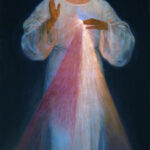

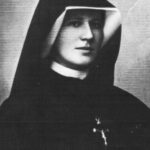
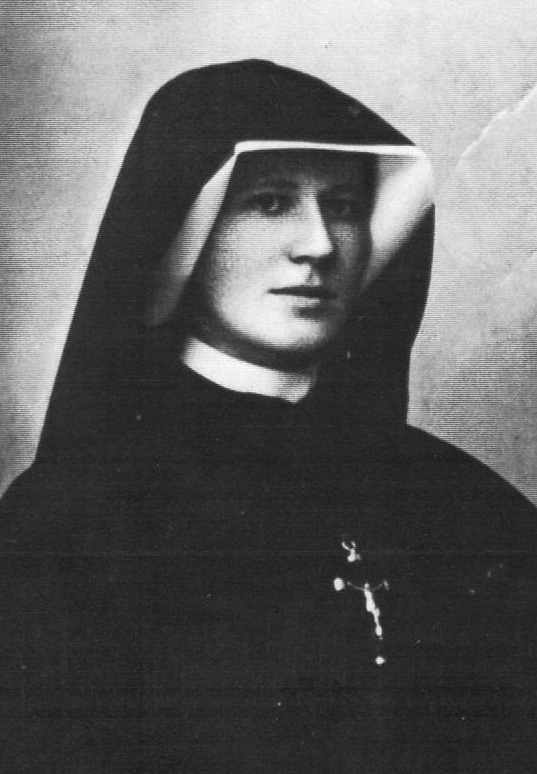

Many sinners avoid church, prayer, and confession because they are convinced they have committed crimes too vile for God to overlook. In entry 1485 of her diary, Saint Faustina recorded Christ dismantling this fear with breathtaking tenderness.
Key Findings & Archival Record
- The Text: Notebook V, Paragraph 1485; transcribed in Kraków in 1938.
- The Voice of the Sinner: Paralyzed by past crimes, the soul hides in shame, convinced that God can only look upon it with wrath and vengeance.
- Christ’s Invitation: “Be not afraid of your Savior, O sinful soul. I make the first move to come to you, for I know that by yourself you are unable to lift yourself to Me.”
- The Infinite Ocean: Human sin is finite; God’s mercy is infinite. A drop of poison cannot poison an infinite ocean.
1. Scene Lede: The Sinner in the Shadows
The dialogue opens with a soul trembling in terror, expecting thunderbolts from Heaven. It views God through the lens of human rejection: unforgiving, vindictive, and cold.
Jesus interrupts the silence with words that reverse every human expectation:
“Jesus: ‘Be not afraid of your Savior, O sinful soul. I make the first move to come to you… Do not flee from your Father; be willing to talk openly with your God of mercy who wants to speak words of pardon and lavish His graces on you.'” (Diary, 1485)
2. Archival Record: The Greater the Sinner, the Greater the Right
In this dialogue, Christ articulates one of the most revolutionary theological statements in mystical history: “Let the greatest sinners place their trust in My mercy. They have the right before others to trust in the abyss of My mercy.” (Diary, 1146).
Why do the greatest sinners have the greatest right? Because mercy, by definition, is love stooping down to misery. Where there is no misery, mercy has no work to perform. The greater the moral ruin, the more gloriously divine grace shines when it rebuilds the soul.
3. Spiritual Discernment: Stepping Toward the Light
No matter what you have done, who you have hurt, or how long you have been away from God, entry 1485 is your personal invitation. The door of mercy is not closed to you; it was carved open on the Cross specifically for you.
Institutional Bibliography & Primary Sources
- Kowalska, St. Maria Faustina. Diary: Divine Mercy in My Soul. Stockbridge, MA: Marian Press, 2005. (Entries 1146, 1485).
- Benedict XVI, Pope. Encyclical: Deus Caritas Est (God is Love), Vatican, 2005.