

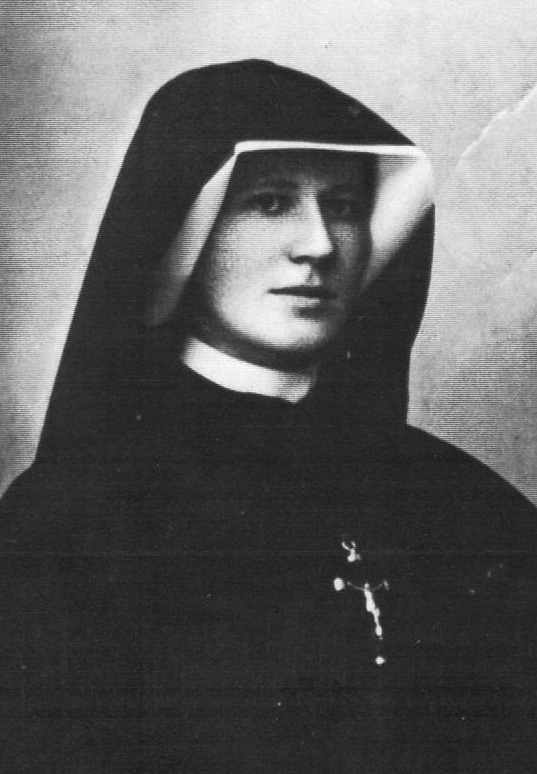

Many imagine Divine Mercy is merely an interior feeling of devotion or lighting candles before a painting. But in entry 742, Christ gave Sister Faustina a demanding ethical mandate: mercy must become active, practical, and tangible in daily deeds, words, and prayers.
Key Findings & Archival Record
- The Mandate (Diary, 742): “I demand from you deeds of mercy, which are to arise out of love for Me. You must not shrink from this or try to excuse or absolve yourself from it.”
- The Three Degrees: 1) The deed of mercy; 2) The word of mercy (forgiveness, comfort, instruction); 3) The prayer of mercy (when physical action is impossible).
- The Universal Scope: Applicable to every human being regardless of wealth, health, or social standing; nobody has an excuse for lacking mercy.
- Biblical Root: James 2:17—“So also faith of itself, if it does not have works, is dead.”
1. Scene Lede: The Demand for Action
Sister Faustina spent hours in ecstatic prayer, but Christ never allowed her to retreat into spiritual escapism. In entry 742, He reminded her that contemplation without practical charity is a counterfeit:
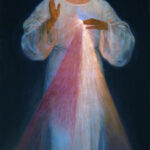
“Yes, the first Sunday after Easter is the Feast of Mercy, but there must also be acts of mercy, and I demand the worship of My mercy through the solemn celebration of the Feast and through the veneration of the image which is painted. By means of this image I shall grant many graces to souls.” (Diary, 742)
2. Archival Record: The Tripartite Practice
Christ broke mercy down into three realistic, achievable channels:
- Deeds: Feeding the hungry, visiting the sick, helping a struggling coworker, or offering financial charity to someone in need.
- Words: Forgiving someone who insulted you, refusing to spread malicious gossip, encouraging a depressed friend, and speaking truth with gentleness.
- Prayer: When confined to a bed, lacking money, or separated by distance, offering the Chaplet and sacrifices for souls.
3. Spiritual Discernment: The Daily Audit
Before closing your eyes at night, ask yourself a simple question: Did I perform at least one deed of mercy, speak one word of mercy, or offer one prayer of mercy today? If not, make tomorrow different.
Institutional Bibliography & Primary Sources
- Kowalska, St. Maria Faustina. Diary: Divine Mercy in My Soul. Stockbridge, MA: Marian Press, 2005. (Entry 742).
- Kasper, Cardinal Walter. Mercy: The Essence of the Gospel and the Key to Christian Life. Paulist Press, 2014.