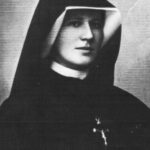



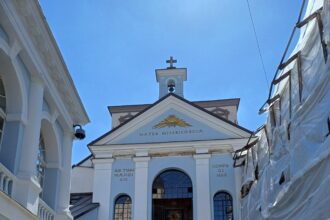
In October 1937, inside the convent of Kraków-Łagiewniki, Jesus Christ dictated to Sister Maria Faustina Kowalska what spiritual masters recognize as the most accessible yet radical daily practice of the Divine Mercy revelation: the 3:00 PM Hour of Mercy. Marking the precise historical moment when the Son of God expired upon the Cross on Mount Calvary, Christ attached a universal, blank-check promise to this daily hour: “In this hour, I will refuse nothing to the soul that makes a request of Me in virtue of My Passion.” Yet unlike vague emotional devotions, this divine guarantee came with three strict, clinical conditions that must be understood to unlock its power.
Key Findings & Archival Record
- Historical Context: Dictated in Kraków, Poland, in October 1937 and February 1938; recorded in Diary entries 1320 and 1572.
- Biblical Root: The “Ninth Hour” (3:00 PM) of the Gospels (Matthew 27:46), the exact moment of Christ’s biological death on Calvary.
- The Three Strict Conditions: The prayer must be made precisely at 3:00 PM, addressed directly to Jesus, and appealed specifically in virtue of His sorrowful Passion.
- Practical Execution: Does not require sixty minutes; even a brief thirty-second recollection in an office, factory, kitchen, or sickbed fulfills the divine demand.
1. Scene Lede: The Ticking Clock at Kraków-Łagiewniki
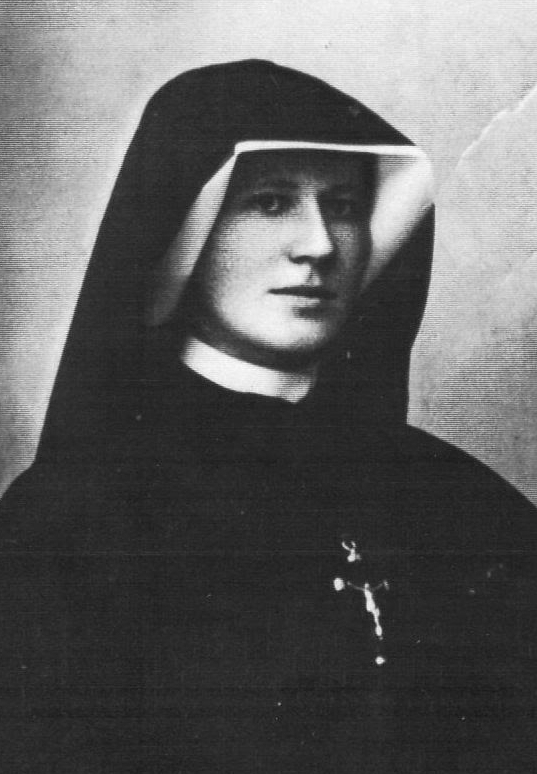
By the autumn of 1937, Sister Maria Faustina Kowalska was a dying woman. Advanced tuberculosis of the lungs and intestines had ravaged her thirty-two-year-old body, forcing her into frequent convalescence at the Prądnik sanatorium outside Kraków. Between bouts of coughing up blood, she walked slowly along the brick corridors of the convent of Our Lady of Mercy in Łagiewniki, leaning against the walls for support.
In her monastic cell, as the convent bells chimed three slow strokes in the afternoon, her soul was suddenly drawn into a profound contemplation of the Crucifixion. She saw the darkened sky over Jerusalem, the torn veil of the Temple, and the bowed head of the Redeemer breathing His last. In entry 1320 of her diary, she recorded the solemn instructions Christ spoke into her heart:
The nut graph of the 3:00 PM Hour exposes the genius of divine mercy. Holiness is not reserved for monks with hours of uninterrupted leisure; it is structured for ordinary human beings living in a chaotic, fast-paced world. By claiming the three o’clock hour, Christ established a daily spiritual alarm clock designed to pull the human mind out of secular stress and anchor it in eternal redemption.
2. Archival Record: The 3 Conditions Dictated in Entry 1572
In February 1938, just months before her death, Christ returned to the subject of the three o’clock hour, clarifying in entry 1572 the three precise conditions attached to this covenant. Many believers assume that any prayer said in the afternoon qualifies. Father Ignacy Różycki, the dogmatic theologian who conducted the official Vatican analysis of Faustina’s writings, demonstrated that Christ attached specific theological parameters:
Condition 1: Precise Chronological Observance (3:00 PM Local Time): The prayer must be made as the clock strikes three in the afternoon. It is the memorial of the Ninth Hour of the Gospel, the specific historical moment when Christ surrendered His spirit. It does not mean praying at 4:00 PM or whenever convenient.
Condition 2: Addressed Directly to Jesus: Unlike prayers addressed to the Blessed Virgin Mary, angels, or the Father, the prayer in the Hour of Mercy must be directed straight to Jesus Christ, the wounded Mediator on the Cross.
Condition 3: Appealed in Virtue of His Passion: The petition must rest not on our own worthiness, but on the merits of Christ’s sorrowful Passion. In entry 1572, Jesus instructed: “My daughter, try your best to make the Stations of the Cross in this hour, provided that your duties permit it; and if you are not able to make the Stations of the Cross, then at least step into the chapel for a moment and adore, in the Blessed Sacrament, My Heart, which is full of mercy; and should you be unable for that, then at least immerse yourself in prayer where you happen to be, if only for a very brief instant.”
3. The Difference Between the Hour of Mercy and the Chaplet
A widespread mistake in modern parish practice is confusing the 3:00 PM Hour of Mercy with the recitation of the Chaplet. As we examined in our previous investigation into the Angel of Wrath and the origin of the Chaplet, the Chaplet is a prayer addressed to the Eternal Father, offering the Body and Blood of Christ.
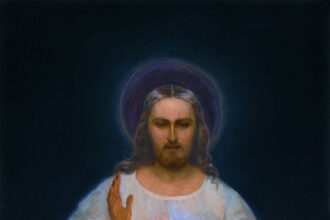
By contrast, the Hour of Mercy is an interior meditation addressed directly to Jesus, contemplating His abandonment on the Cross. While it is completely praiseworthy to recite the Chaplet at 3:00 PM, Christ’s explicit request for the Hour of Mercy is a personal, interior act of recollection: contemplating the love that held Him to the wood of Calvary.
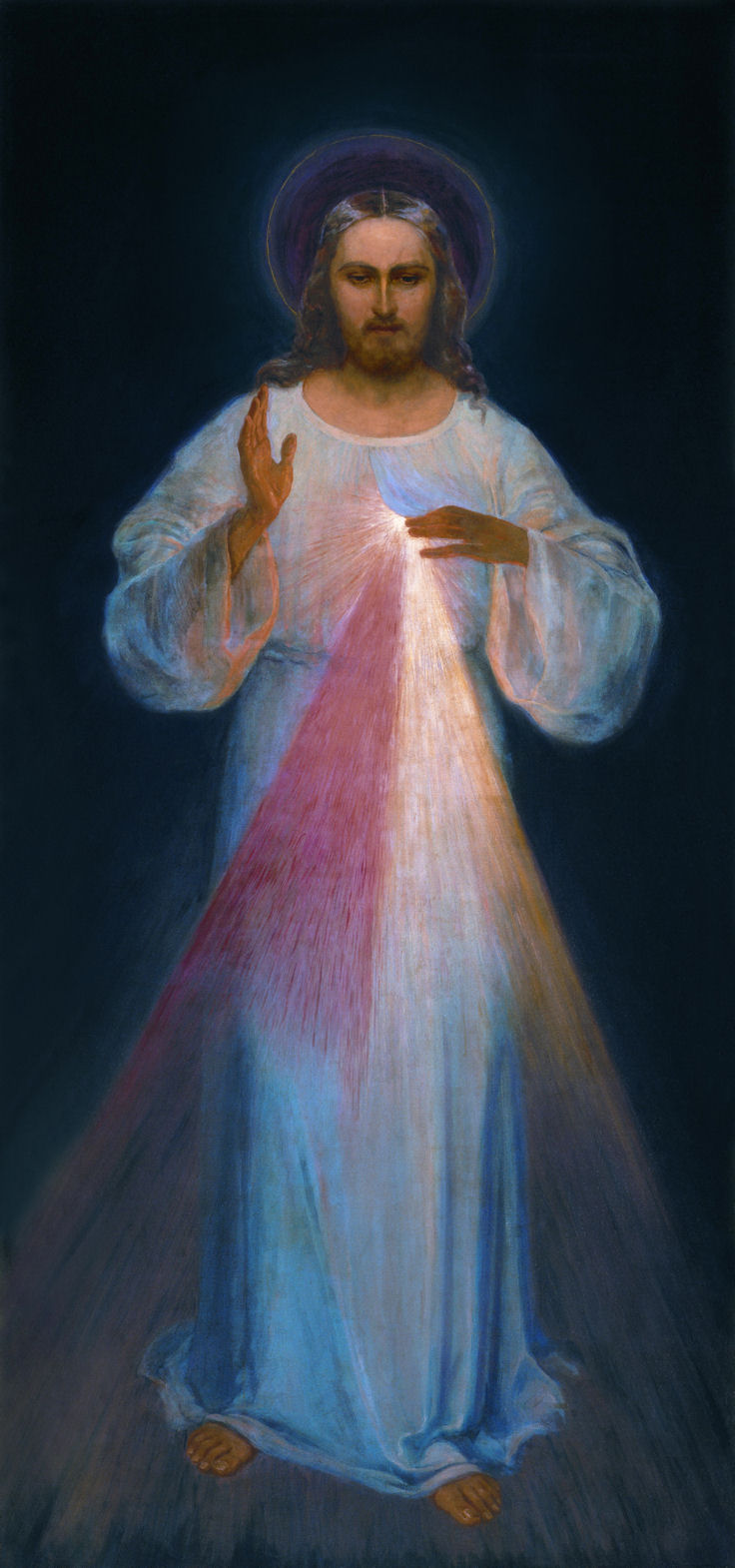
4. The Thirty-Second Liturgy for Modern Life
The beauty of the 3:00 PM Hour is that it eliminates all human excuses. A mother changing a diaper, a surgeon in the operating theater, an executive in a boardroom, or a driver sitting in highway traffic cannot drop everything to spend an hour in a chapel. Christ anticipated this reality with exquisite pastoral tenderness:
“Immerse yourself in prayer where you happen to be, if only for a very brief instant.” (Diary, 1572). That brief instant can be as simple as pausing for five seconds, bowing your head, and whispering the classic aspiration:
“O Blood and Water, which gushed forth from the Heart of Jesus as a fount of mercy for us, I trust in You!”
In that micro-second of intentional pause, the busy soul re-aligns itself with the cosmic reality of Calvary, fulfilling the exact divine covenant established in Kraków.
5. Spiritual Reality & Discernment: The Spiritual Alarm Clock
As we prepare to examine Faustina’s ferocious nocturnal encounters in our next dossier on the Demon in the Convent and spiritual warfare, the 3:00 PM Hour serves as an invincible daily fortress. Set a gentle reminder on your smartphone for 3:00 PM every day. When it sounds, do not feel burdened by guilt or complex rituals. Simply breathe, think of the Cross, offer your current fatigue or frustration into His wounded side, and claim His mercy for your family and the dying.
Institutional Bibliography & Archival Records
Kowalska, Saint Maria Faustina. Diary: Divine Mercy in My Soul. Stockbridge, MA: Marian Press, 2005. Entries 1320, 1572.
Różycki, Rev. Ignacy. Nabożeństwo do Miłosierdzia Bożego: Studium Teologiczne. Kraków: Wydawnictwo Diecezjalne, 1999.
Stackpole, Dr. Robert. Jesus, Mercy Incarnate: The Theology of the Divine Mercy Devotion. Stockbridge, MA: Marian Press, 2000.
Archdiocese of Kraków. Acts of the Beatification Process of the Servant of God Maria Faustina Kowalska (1965–1968). Kraków, Poland.