

Key Findings & Archival Record
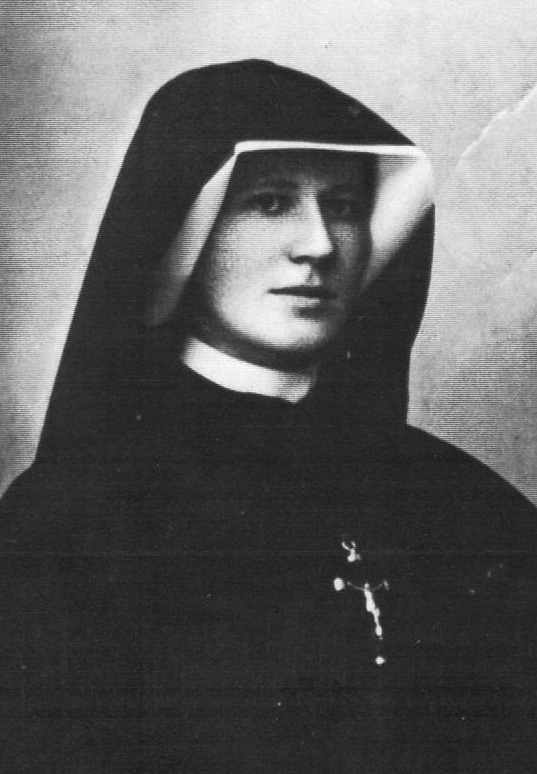
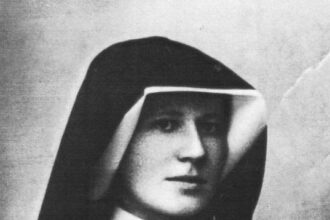
- Historical Trajectory: Helen Kowalska (1905–1938), third-grade education, domestic cook and gardener.
- Modern Footprint: More than 100 million copies of her diary in 40+ languages; active shrines on every inhabited continent; universal feast in 1.3 billion member Church.
- Legacy Fulfillment: Proved that mystical truth overrides totalitarian censorship, institutional bans, and physical annihilation.
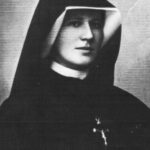
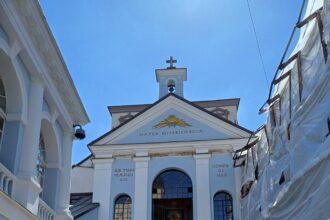
When Sister Maria Faustina Kowalska closed her eyes on October 5, 1938, in the Kraków-Łagiewniki convent, virtually no one outside her immediate religious community knew her name. She had spent thirteen years in the convent scrubbing cauldrons, tending the vegetable garden, and answering the convent door. She left behind no bank account, no published books, and no titles. Her earthly possessions consisted of a worn wooden rosary, a rough wool habit, and six dense school notebooks filled with hurried Polish handwriting.
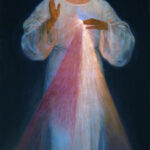
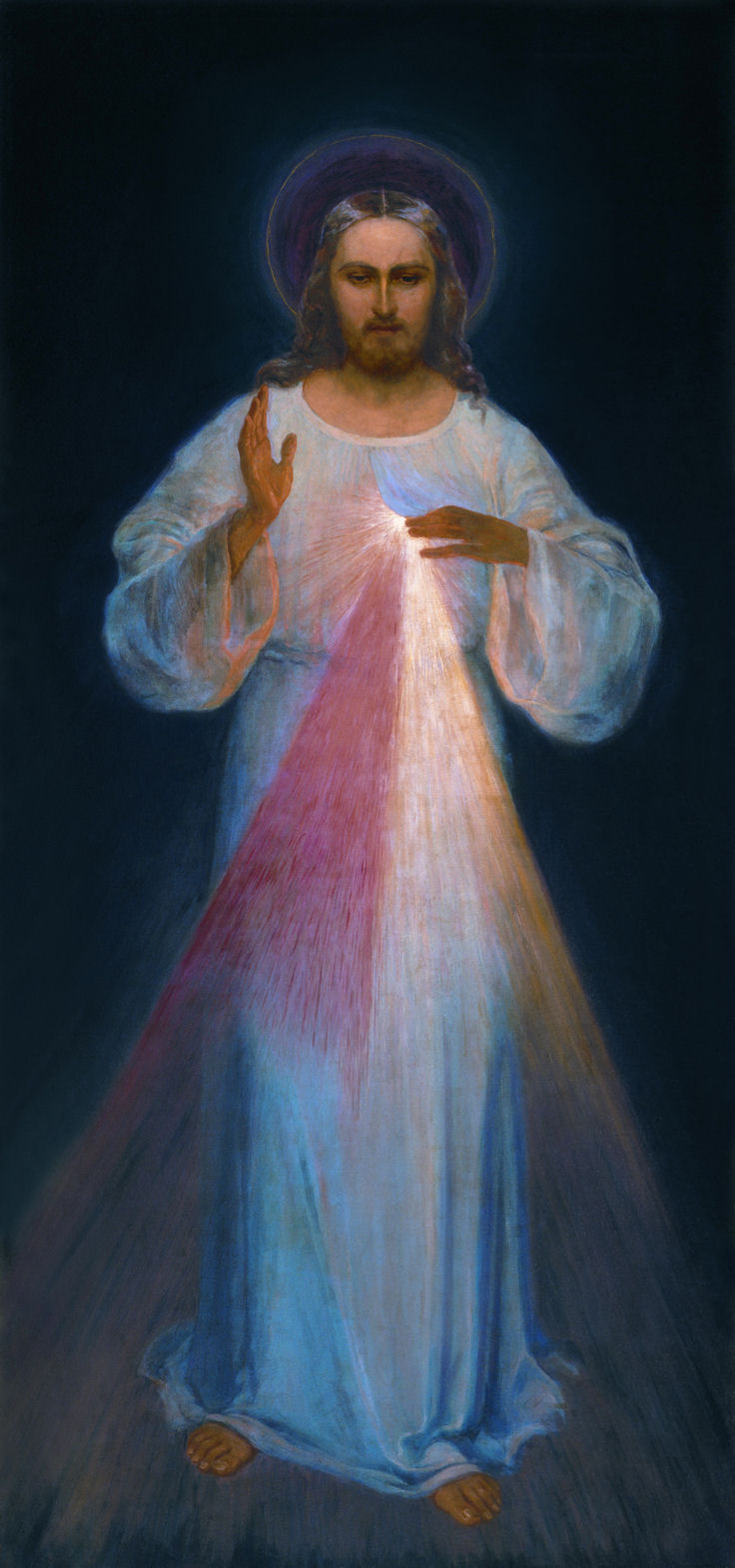
Yet one century after her birth, that same peasant nun has become the most universally recognized Catholic figure of the modern era. Her Divine Mercy image hangs in war-torn cathedrals in Ukraine, wooden village chapels in Rwanda, mega-churches in the Philippines, and inner-city parishes in Chicago. More than one billion believers observe the liturgical feast she died advocating.
The nut graph of Saint Faustina’s ultimate triumph exposes the total failure of twentieth-century materialist ideologies. While Soviet Communism and Nazi totalitarianism attempted to eradicate the Christian soul through terror and concentration camps, Faustina’s five-syllable whisper—“Jesus, I Trust in You”—survived the collapse of both empires, demonstrating that divine mercy outlasts all human tyrannies.
The Improbable Path to Global Victory
No secular marketing firm could have engineered the survival of Divine Mercy devotion. Consider the obstacles that stood against it:
1. Total War (1939–1945): Within a year of Faustina’s death, Poland was dismembered by Hitler and Stalin. Her spiritual directors were hunted, her convents were raided, and her people were sent to gas chambers.
2. Soviet Occupation (1945–1989): The original painting was confiscated, churches were turned into warehouses, and public veneration was strictly outlawed behind the Iron Curtain.
3. The 20-Year Vatican Ban (1959–1978): A flawed Italian mistranslation led the Holy Office to ban the spread of her writings for two decades, threatening to extinguish the devotion forever.
Yet through every suppression, the devotion grew in secret cellars and underground catacombs. When the ban was finally lifted in 1978, the devotion did not trickle forth; it detonated across the global south and west like a tidal wave.
The Final Summons to the Modern Seeker
As this 52-article investigative cycle concludes, the legacy of Saint Faustina Kowalska stands as a permanent summons to every weary, anxious, or guilt-burdened soul. In a world fragmenting under ideological bitterness and psychological isolation, the message from that small cell in Płock remains unbroken: no human misery can exhaust the ocean of divine mercy. The door is open wide; one need only take the first step of trust.
Archival Sources & Verification
Kowalska, Maria Faustina. Diary of Saint Maria Faustina Kowalska: Divine Mercy in My Soul. Stockbridge, MA: Marian Press, 2005.
World Apostolic Congress on Mercy. Proceedings and Global Impact Reports. Rome: Libreria Editrice Vaticana, 2017.
Szweda, Piotr. Kult Miłosierdzia Bożego w Świecie: Historia i Współczesność. Kraków: Scriptum, 2021.