



- Time & Location: February 15, 2015, Sirte Mediterranean coastline, Libya.
- The Event: Twenty-one migrant construction workers (twenty Egyptian Copts and one Ghanaian laborer) executed for their refusal to renounce Jesus Christ after forty days of captivity.
- Ecumenical Recognition: Formally inscribed into the Roman Martyrology by Pope Francis on May 11, 2023, representing the first shared saints between Catholic and Oriental Orthodox churches in modern history.
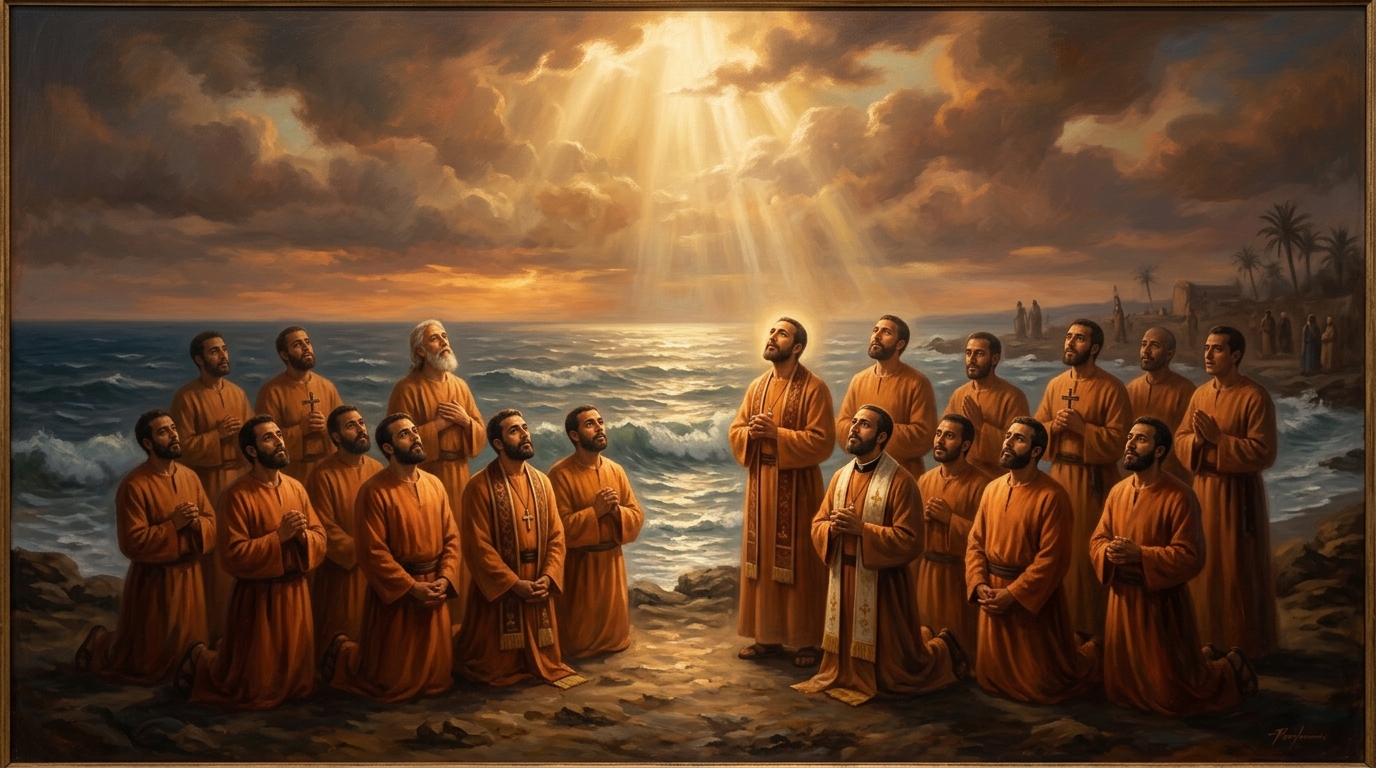
On February 15, 2015, a five-minute propaganda video was published by the Islamic State militant group titled “A Message Signed with Blood to the Nation of the Cross.” Filmed along the desolate Mediterranean coastline of Sirte, Libya, the footage captured twenty-one men dressed in orange prison jumpsuits marched along the water’s edge by masked captors. What the executioners designed as an instrument of psychological terror became, by divine grace, one of the most luminous testimonies of Christian martyrdom in modern history.
The men were humble migrant workers from rural agricultural villages in Upper Egypt’s Minya Governorate, having traveled to war-torn Libya to earn modest construction wages to support their families. The twenty-first man, Matthew Ayairga, was a Ghanaian laborer whose heart was so captivated by the daily prayer and kindness of his Coptic brothers that when asked by his captors where he stood, he declared simply: “Their God is my God.”
For forty days in underground cells, the men were subjected to physical abuse and offered complete freedom, wealth, and safety if they recited the Islamic confession. Every single man refused. When the cameras rolled on the beach, high-definition audio captured their final whispers: “Ya Rabbi Yasou” (O Lord Jesus) and “Kyrie Eleison” (Lord, have mercy).

Recovery of the Relics and the Shrine of Al-Our
In October 2017, following the military liberation of Sirte, Libyan investigators uncovered the mass grave containing the intact bodies of the twenty-one men, their hands still bound with wire and their orange garments preserved in the sand. Their remains were repatriated to Cairo with full presidential and military honors.
Today, their relics rest inside a dedicated marble cathedral, the Church of the Martyrs of Faith and Homeland, erected in their home village of Al-Our in Minya, attracting pilgrims from around the world.
The Miracle of Forgiveness: Voices from Minya
When international reporters traveled to Upper Egypt expecting screams for retaliation, they were stunned by the response of the families. The mothers, wives, and fathers of the twenty-one men spoke openly of forgiveness, praying that God would touch the hearts of their sons’ executioners.
One mother remarked: “I thank God that my son died with the name of Christ on his lips, not with fear or denial. If I met the man who killed my son, I would invite him into my home and pray for him, because through his cruelty, my son gained the eternal kingdom.”
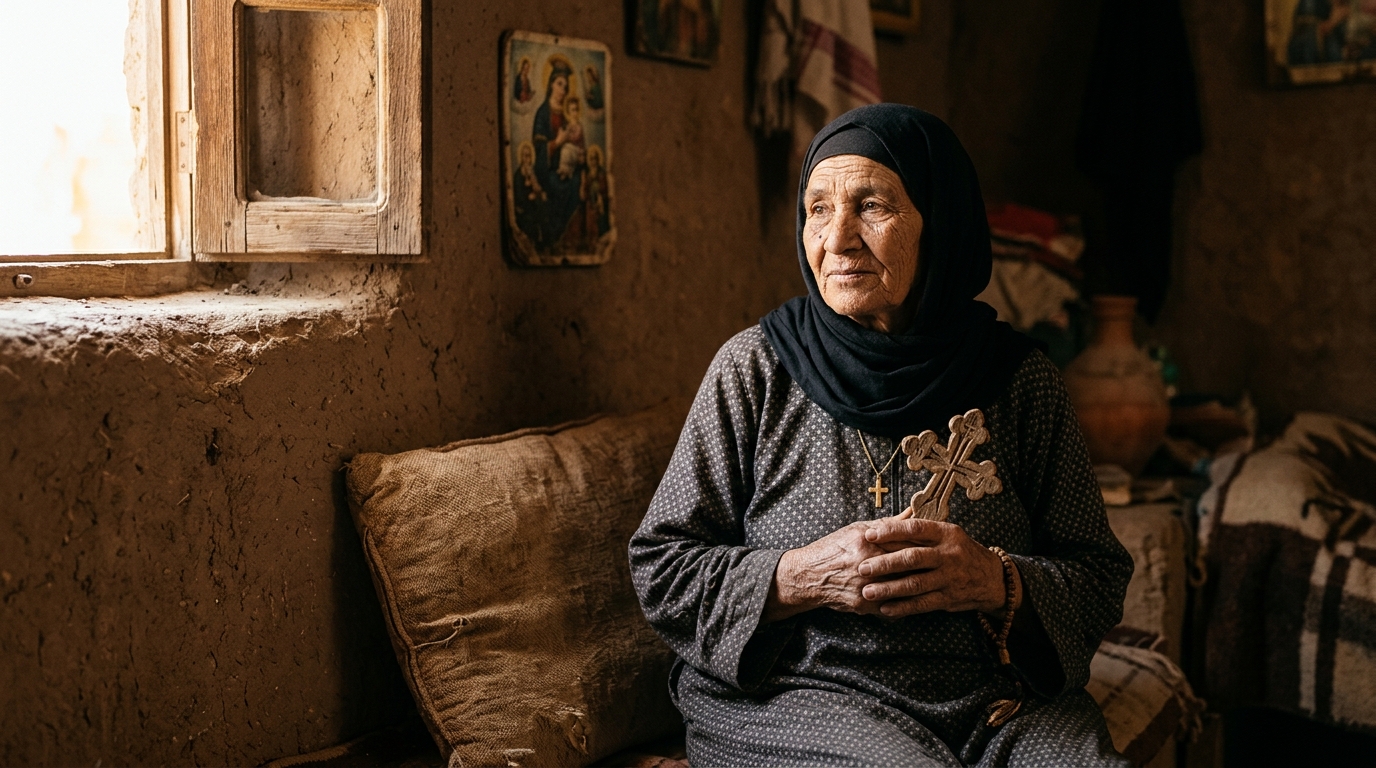
Historic Ecumenical Inscription in Rome
On May 11, 2023, during an official fraternal meeting at the Vatican between Pope Francis and Coptic Pope Tawadros II, the Catholic Church took an unprecedented step: Pope Francis formally placed the 21 Coptic Martyrs into the Roman Martyrology. It was a momentous milestone, demonstrating that the baptism of blood transcends historical ecclesiastical divisions.
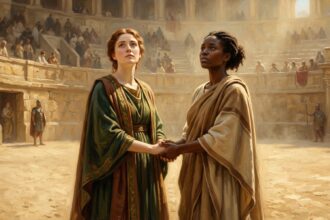

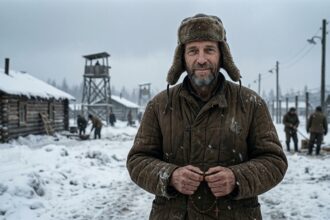
Their witness echoes the courage of early martyrs like Saints Perpetua and Felicity and modern confessors like Father Walter Ciszek, proving that Christian hope remains unbroken in every century.
Historical Citations & References
- Mosebach, M. (2019). The 21: A Journey into the Coptic Land of Martyrs. Plough Publishing House.
- Holy Synod of the Coptic Orthodox Church. (2015). Synaxarium Entry on the New Martyrs of Libya. Cairo, Egypt.
- Dicastery for Promoting Christian Unity (Vatican). (2023). Official Joint Communiqué on the Inscription of the Coptic Martyrs into the Roman Martyrology. Vatican City.
- BBC News Investigative Reporting. (2015). Libya Migrant Killings: The Victims’ Stories in Minya.