



Key Findings & Archival Record
- Synthesis Phase: The foundational Vilnius period (1931–1935).
- Core Breakthrough: Shifting the spiritual life from legalistic self-reliance to absolute abandonment to Divine Mercy.
- Practical Three Pillars: Radical obedience in ordinary duties, persevering in dry faith, and adopting trust as an active decision.
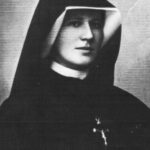
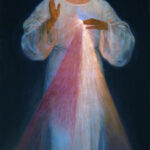
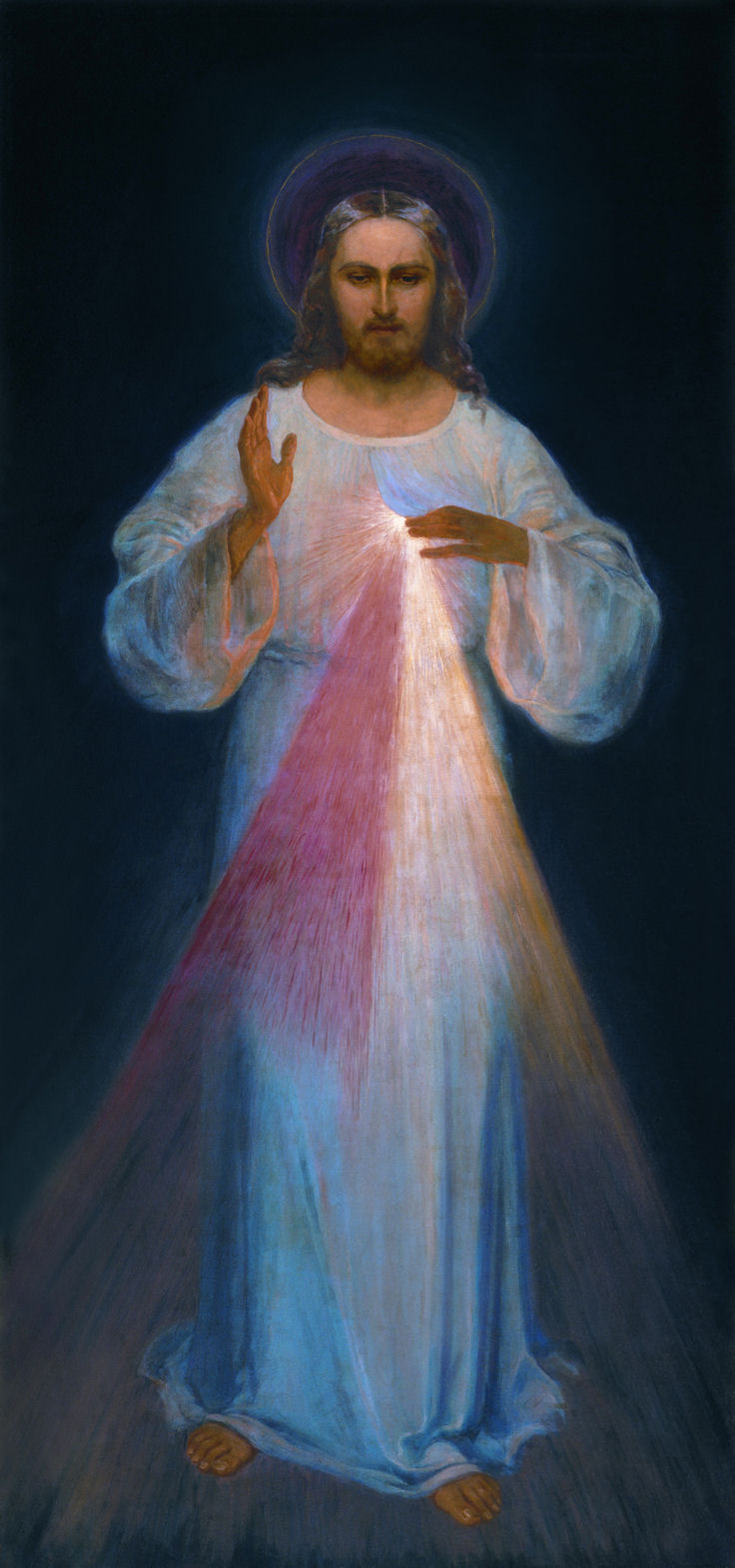
The journey from an interrupted ballroom dance in Łódź to the high gallery of Ostra Brama represents one of the most intellectually coherent spiritual developments in modern ecclesiastical history. When Helen Kowalska first stepped into the convent of Our Lady of Mercy, she was an uneducated domestic servant who could barely spell. By the time the original Divine Mercy painting was completed in Vilnius in 1935, she had articulated a spiritual theology that would eventually reshape the Roman Catholic calendar.
As Quarter 1 of her mission demonstrates, Divine Mercy is not a sentiment; it is a tactical approach to existence. When examined through the documentary evidence of her notebooks, three foundational lessons emerge that form the bedrock of her mystical legacy.
The nut graph of Faustina’s early years reveals that spiritual greatness is constructed entirely through mundane fidelity. The miracles recorded in her diary were not fireworks designed to astound the curious, but direct dividends paid upon absolute submission to divine will in the kitchen, the garden, and the sickbay.
Lesson 1: The Pot of Potatoes and Ordinary Holiness
The modern seeker often assumes holiness requires extraordinary asceticism or withdrawal from normal society. Faustina proved the exact opposite. Her greatest spiritual breakthroughs occurred while draining heavy kettles of boiling water in the convent kitchen or scrubbing flagstone floors. When she surrendered her desire for special monastic privileges and embraced the unglamorous status of a second-class coadjutrix sister, heaven responded with intimate mystical clarity.
Lesson 2: Psychological Scruples Dissolved in Radical Obedience
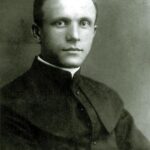
Faustina’s agonizing bout with religious scruples demonstrated that overthinking the interior life is a spiritual trap. When she attempted to analyze her unworthiness, she spiraled into desolation. The breakthrough occurred when she placed her interior life under strict clerical obedience to Father Sopoćko. In Catholic ascetical doctrine, obedience to a legitimate confessor is a bulletproof shield: even if the director errs in judgment, the soul is protected from guilt because it acts under holy submission.
Lesson 3: The Five Syllables of Total Surrender
The signature inscription demanded by Christ beneath the painting, “Jezu, ufam Tobie” (Jesus, I Trust in You), represents the distillation of the entire Gospel. In five Polish syllables, Faustina provided a universal formula accessible to dying soldiers, despairing sinners, and contemplative mystics alike. It demands no theological degree, no material wealth, and no complex ritual: only the unconditional surrender of the ego into the ocean of divine mercy.
Archival Sources & Verification
Kowalska, Maria Faustina. Diary: Divine Mercy in My Soul. Stockbridge, MA: Marian Press, 2005.
Garrigou-Lagrange, Réginald. The Three Ages of the Interior Life. St. Louis: B. Herder Book Co., 1948.
Krzyżanowska, Irene. Testimonies on the Life of Sister Maria Faustina Kowalska. Kraków Convent Archives, 1947.