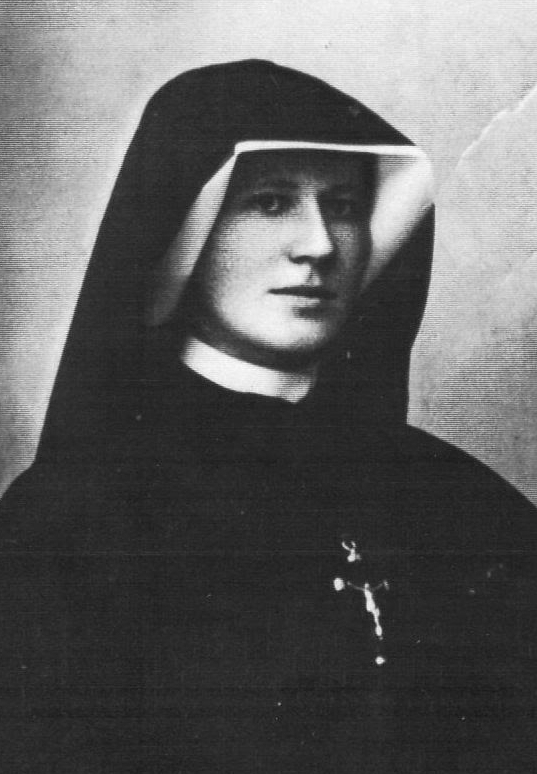

For millions of modern believers, the confessional box is a place of dread, hesitation, and shame. But in her spiritual diary, Sister Faustina recorded Christ’s direct words on what actually happens during the Sacrament of Reconciliation: the priest is only a screen; Christ Himself is waiting there.
Key Findings & Archival Record
- The Direct Teaching: Documented across 194 pages of her diary, making Confession the single largest thematic topic in the entire book.
- The Reality of the Grille: “When you approach the confessional, know this, that I Myself am waiting there for you. I am only hidden by the priest, but I Myself act in your soul.” (Diary, 1602).
- The Tribunal of Mercy: Christ called Confession the “Tribunal of Mercy,” where the soul does not argue or defend itself, but simply reveals its wounds to be healed.
- The Sole Requirement: Complete transparency; holding back sins out of false shame turns the medicine of the sacrament into poison.
1. Scene Lede: The Fear of the Human Priest
Sister Faustina knew the humiliation of confession better than most. Her mystical experiences had often been ridiculed by poorly trained confessors who accused her of hysteria. She understood the temptation to conceal sins, downplay faults, or stay away from the sacrament entirely out of human shame.
In response to her interior anxiety, Jesus spoke with penetrating tenderness:
“Tell souls where they are to look for solace; that is, in the Tribunal of Mercy [the Sacrament of Reconciliation]. There the greatest miracles take place and are incessantly repeated… Were a soul like a decaying corpse, so that from a human standpoint there would be no hope of restoration… it is not so with God.” (Diary, 1448)
2. Archival Record: The Screen of the Priest
In entry 1602, Christ established the theology of the confessional screen:
“When you go to confession, to this fountain of My mercy, the Blood and Water which came forth from My Heart always flows down upon your soul and ennobles it. Every time you go to confession, immerse yourself entirely in My mercy, with great trust, so that I may pour the bounty of My grace upon your soul. When you approach the confessional, know this, that I Myself am waiting there for you. I am only hidden by the priest, but I Myself act in your soul.”
3. Spiritual Discernment: How to Confess Without Fear
Faustina outlines three practical rules for a transformative confession:
- Total Sincerity: Name your sins plainly, without excuses or lengthy backstories. The devil thrives in vagueness; naming sins specifically brings them into Christ’s healing light.
- Deep Humility: Treat the confessional as an emergency hospital, not a court of condemnation. The sick person does not hide their tumors from the surgeon.
- Absolute Obedience: Follow the counsel and penance given by the confessor, trusting that Christ speaks through the human minister despite human imperfections.
Institutional Bibliography & Primary Sources
- Kowalska, St. Maria Faustina. Diary: Divine Mercy in My Soul. Stockbridge, MA: Marian Press, 2005. (Entries 1448, 1602).
- Catechism of the Catholic Church, paragraphs 1440–1460 (The Sacrament of Penance and Reconciliation).