



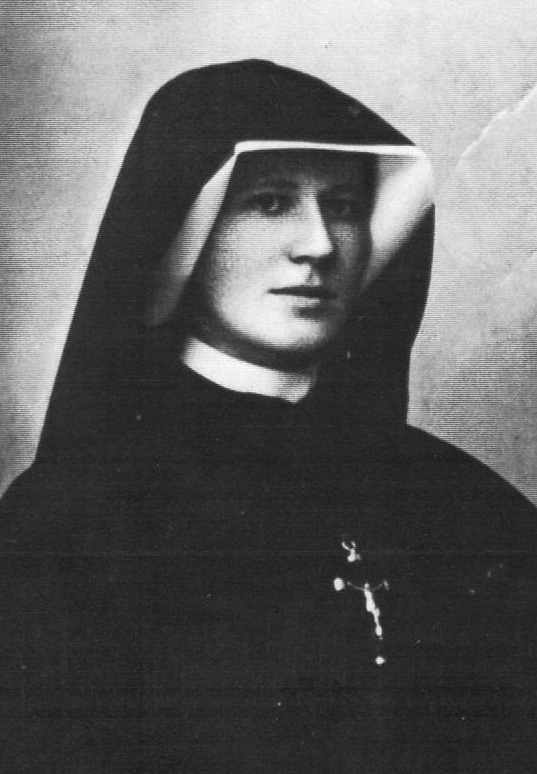

In contemporary religious discourse, eternal damnation is frequently relegated to myth, symbolic poetry, or an antiquated relic of medieval intimidation. Yet in late October 1936, during an eight-day monastic retreat in Kraków-Łagiewniki, Sister Maria Faustina Kowalska was led by her Guardian Angel into the actual chasms of hell. Commanded by God to record what she witnessed so that no soul could claim ignorance, the thirty-one-year-old mystic cataloged seven distinct, terrifying agonies of the damned, concluding with an ominous diagnostic observation: the vast majority of souls suffering in hell are those who steadfastly refused to believe it existed.
Key Findings & Archival Record
- Date & Location: Late October 1936; monastic retreat at the Convent of Our Lady of Mercy, Kraków-Łagiewniki, Poland.
- Mystical Guide: Faustina was escorted through the abyss by her Guardian Angel under express divine mandate (Diary, 741).
- The 7 Documented Torments: (1) The permanent loss of God; (2) Perpetual remorse of conscience; (3) Absolute finality without possibility of change; (4) Penetrating, unconsuming spiritual fire; (5) Suffocating darkness and stench; (6) Constant company of demonic entities; (7) Unquenchable despair, hatred of God, and horrific blasphemies.
- The Chilling Statistical Observation: Faustina noted: “Most of the souls there are those who disbelieved that there was a hell.”
- Theological Purpose: Far from contradicting Divine Mercy, the vision establishes hell as the self-chosen consequence of rejecting mercy while life persists.
1. Scene Lede: The October Retreat at Łagiewniki
The autumn retreat of 1936 in Kraków-Łagiewniki was intended as eight days of quiet interior recollection before the Blessed Sacrament. Faustina was already gravely ill, coughing blood from advancing tuberculosis and enduring intense spiritual trials. Her confessor, Father Józef Andrasz, SJ, had instructed her to write down every interior intuition and vision with clinical fidelity, warning her against exaggeration, sensationalism, or emotional embellishment.
During an evening prayer vigil, the physical walls of her convent cell seemed to dissolve. Faustina found herself standing at the precipice of an immense subterranean abyss, enveloped in suffocating darkness and an acrid, sulfurous stench that overwhelmed her physical senses. Beside her stood her Guardian Angel, radiating protective light in the midst of impenetrable gloom. The angel instructed her to observe everything carefully, because she had been chosen to bear witness to the reality of divine justice before a skeptical modern world.
What Faustina observed was neither cartoonish nor mythological. It was a terrifying psychological, spiritual, and physical reality: an eternity of self-inflicted torment born from the permanent, irrevocable rejection of God’s love.
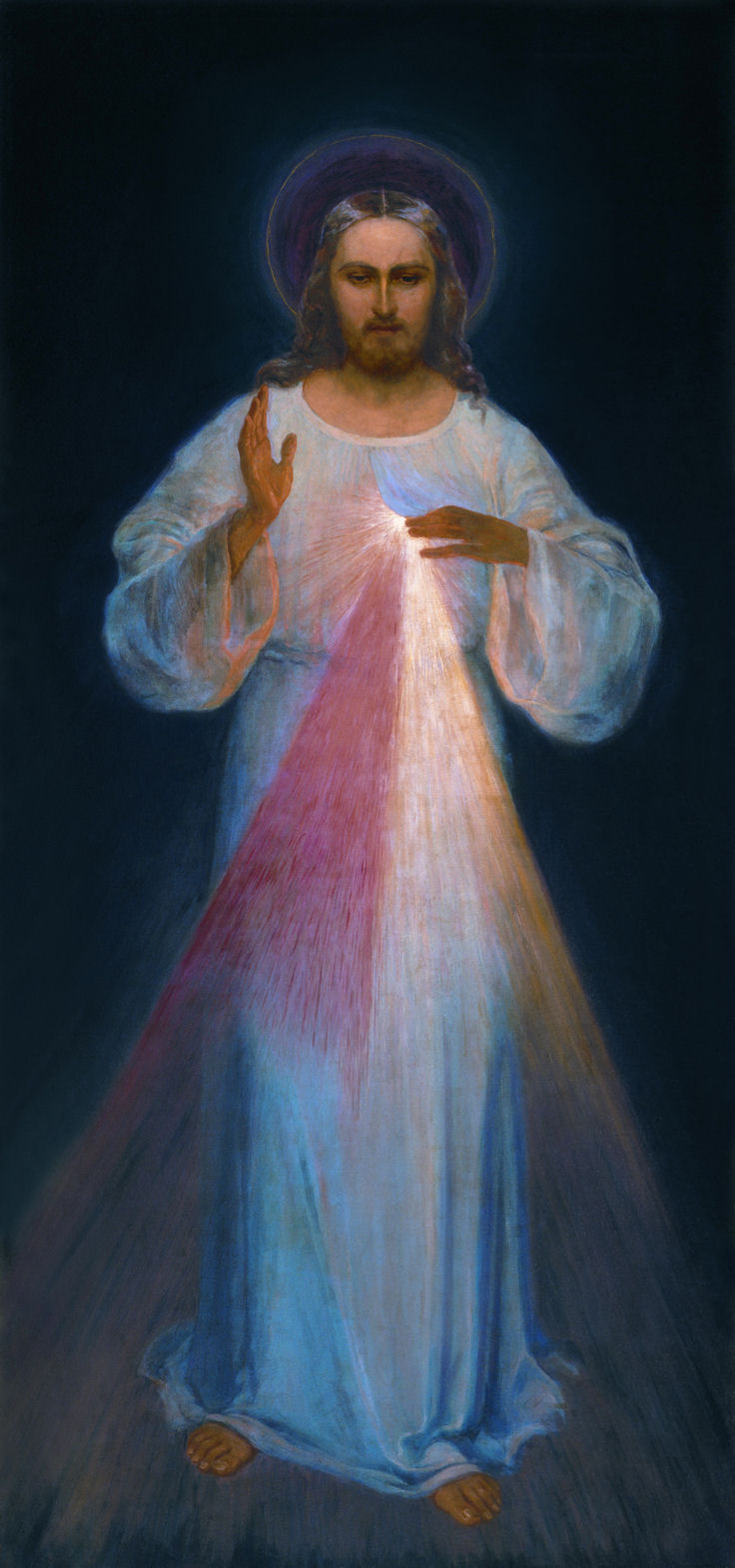
2. Archival Record: The 7 Torments Cataloged
In entry 741 of her Diary, Sister Faustina outlined the seven distinct agonies of hell with the methodical detachment of a forensic investigator:
Beyond these general torments that afflict all the damned, Faustina noted that souls suffer special torments according to the manner in which they sinned on earth. Those who abused their senses through lust, greed, or gluttony experienced acute suffering corresponding directly to the faculties they misused. The law of divine justice was exact: what a person worshiped in place of God became the instrument of their eternal agony.
Yet the most unsettling detail in the entire account was Faustina’s closing observation regarding the inhabitants of the abyss:
3. Theological Coherence: Mercy and Justice in Harmony
Skeptics often argue that a loving God could never permit eternal punishment. How can the message of Divine Mercy coexist with a vision of unending torment? The Catholic Church’s magisterial teaching, reflected in the Catechism of the Catholic Church (paragraphs 1033–1037), provides the necessary distinction: hell is not a vindictive creation imposed by an angry deity, but the tragic, irrevocable outcome of human free will.

God created humanity with authentic freedom. If a person spends seventy years voluntarily rejecting grace, despising truth, and refusing to forgive others, God does not violate their free will at the moment of death by forcing them into communion with Him. Heaven would be a torture chamber to a soul that detests humility and purity. Hell is the eternal state of total self-absorption, where the soul receives precisely what it chose in life: existence without God.
As we analyzed in our study on the Two Rays of Blood and Water, the Divine Mercy is an urgent intervention precisely because hell is real. If everyone were automatically saved regardless of their choices, Christ’s sacrifice on Calvary would be reduced to empty theater. The cross has meaning because the abyss is deep, and mercy is priceless because damnation is final.
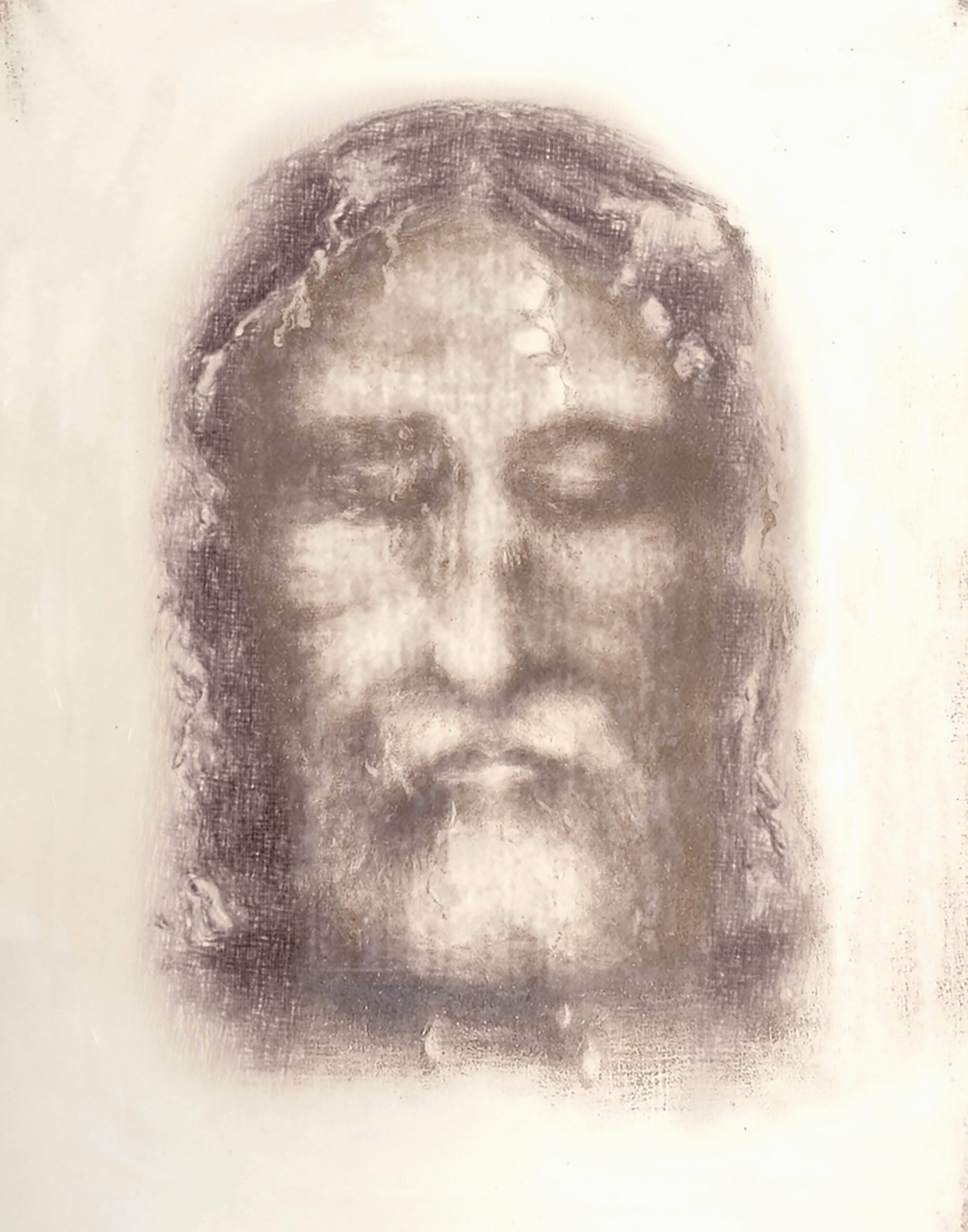
4. Spiritual Discernment: The Urgent Mission of Intercession
The vision of hell did not paralyze Sister Faustina with morbid dread; it ignited an unquenchable fire of intercessory prayer. When she awoke from the vision, she spent hours prostrated on her cell floor, offering her bodily suffering and reciting the Chaplet of Divine Mercy for dying sinners:
1. Pray for the dying: Faustina noted that the final moments of earthly life are an intense spiritual battleground. When you learn of someone nearing death, recite the Chaplet immediately. Christ promised that when the Chaplet is said beside the dying, He will stand between the Father and that soul, not as the just Judge, but as the Merciful Savior.
2. Discard false security: Do not rely on casual optimism or spiritual procrastination. If you are harboring mortal sin, unrepented resentment, or habitual rebellion against God, seek sacramental absolution without delay.
3. Offer small daily sacrifices: Every minor inconvenience, physical pain, or irritating encounter can be offered to God as a ransom for souls on the brink of ruin. As Faustina demonstrated, one faithful soul can pull a multitude of sinners back from the edge of eternal fire.
5. Institutional Bibliography & Transparency
This study references official ecclesiastical documentation and theological analyses of Saint Faustina Kowalska’s mystical revelations:
- Kowalska, Maria Faustina. Diary: Divine Mercy in My Soul. Stockbridge, MA: Marian Press, 2003. Paragraph 741.
- Catechism of the Catholic Church. Paragraphs 1033–1037 (The Teaching on Hell). Libreria Editrice Vaticana, 1993.
- Andrasz, Józef. Sister Faustina: Spiritual Director’s Journal and Reflections. Kraków: Wydawnictwo Apostolstwa Modlitwy, 1951.
- Różycki, Ignacy. The Essential Characteristics of the Divine Mercy Devotion: Theological Analysis for the Holy See. Rome: Vatican Congregation for the Causes of Saints, 1977.