
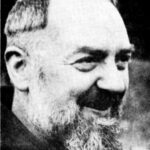

On Saturday, June 2, 1923, the Vatican newspaper *L’Osservatore Romano* published a decree that sent shockwaves through the Catholic world. The Supreme Sacred Congregation of the Holy Office declared that there was no evidence of supernatural origin in the stigmata of Padre Pio.
Key Findings & Archival Record
- The Decree Date: Formally ratified by Pope Pius XI on May 31, 1923; published in the *Acta Apostolicae Sedis* on June 2, 1923.
- Official Formulation: *Non constare de eorundem factorum supernaturalitate* (“It is not established that these events are of supernatural character”).
- Direct Mandate to the Faithful: Catholics were formally exhorted to conform their conduct to the decree and cease all pilgrimages, communications, and correspondence with Padre Pio.
- The Friar’s Response: Bowed his head, kissed the paper containing the decree, and stated: “The Church is our Mother, even when she strikes us; I obey without reservation.”
1. Scene Lede: The Parchment from Rome
The telegram arrived at the friary of San Giovanni Rotondo on the evening of June 3, 1923. Father Ignazio da Jelsi, the local superior, read the Latin text with trembling hands. For five years, the Capuchin friars had defended Padre Pio against regional slander, secure in the knowledge that secular surgeons and pathologists had verified the biological mystery.
Now, the highest doctrinal authority of the Roman Catholic Church, the Supreme Sacred Congregation of the Holy Office, had spoken with official finality. The decree declared:
“The Supreme Sacred Congregation of the Holy Office… after having instituted an attentive inquiry into the events attributed to Padre Pio of Pietrelcina… declares that it has not established the supernatural character of these facts, and exhorts the faithful to conform their conduct to this declaration.” (Holy Office Decree, May 31, 1923)
When Father Ignazio summoned Padre Pio to the prior’s office to deliver the news, the superior expected tears, shock, or defensive protest. Padre Pio listened quietly, made the Sign of the Cross, and bowed low.
2. Archival Record: Theological Nuance vs. Popular Panic
In canonical jurisprudence, the Latin formula *non constare de supernaturalitate* is carefully distinguished from *constare de non-supernaturalitate* (proven to be fraudulent). Rome was not declaring Padre Pio a condemned criminal or an exposed charlatan; it was declaring that supernatural origin had not been definitively proven according to the strict juridical standards of the Holy See.
However, the secular press and hostile diocesan clerics weaponized the decree as a total condemnation. Newspapers in Rome, Naples, and Milan ran sensational headlines declaring that the “miracle friar of the Gargano” had been discredited. Yet pilgrimages did not stop; instead, the faithful doubled their efforts to visit the mountain.
“Padre Pio did not write a single letter of defense. He forbade his friends from publishing counter-arguments in the press. He climbed the altar steps each morning and offered his Mass for the Church that had struck him.” — Carty, Ch. I
3. The Secret Transfer Order
Behind the public decree lay a secret administrative order: the Capuchin General Curia in Rome, under pressure from the Holy Office, decided to secretly remove Padre Pio from San Giovanni Rotondo and transfer him to an isolated friary in Northern Italy or Spain.
The friars made clandestine preparations. But on Mount Gargano, secrets did not remain secret for long. When word leaked to the rugged townspeople of San Giovanni that Rome was coming to take their friar away in the dead of night, the mountain erupted into armed revolt.
4. Spiritual Discernment: The Humility of the Son of the Church
Many charismatic leaders throughout Christian history broke away into heresy or schism when corrected or disciplined by Rome. Padre Pio did the exact opposite. He accepted the humiliation without bitterness, proving that his mystical mission was authenticated by the supreme test of sanctity: total, unshakeable Catholic obedience. For souls enduring institutional misunderstanding, Pio’s silence remains a masterclass in faith.
Archival Bibliography & Primary Sources
- Acta Apostolicae Sedis (AAS). Decretum Sancti Officii: De quibusdam scriptis et actis Francisci Forgione. Vol. XV, 1923, p. 356.
- Ruffin, C. Bernard. Padre Pio: The True Story. Our Sunday Visitor, 1982/1991 (Chapter XV: ‘The Raging Tempest’).
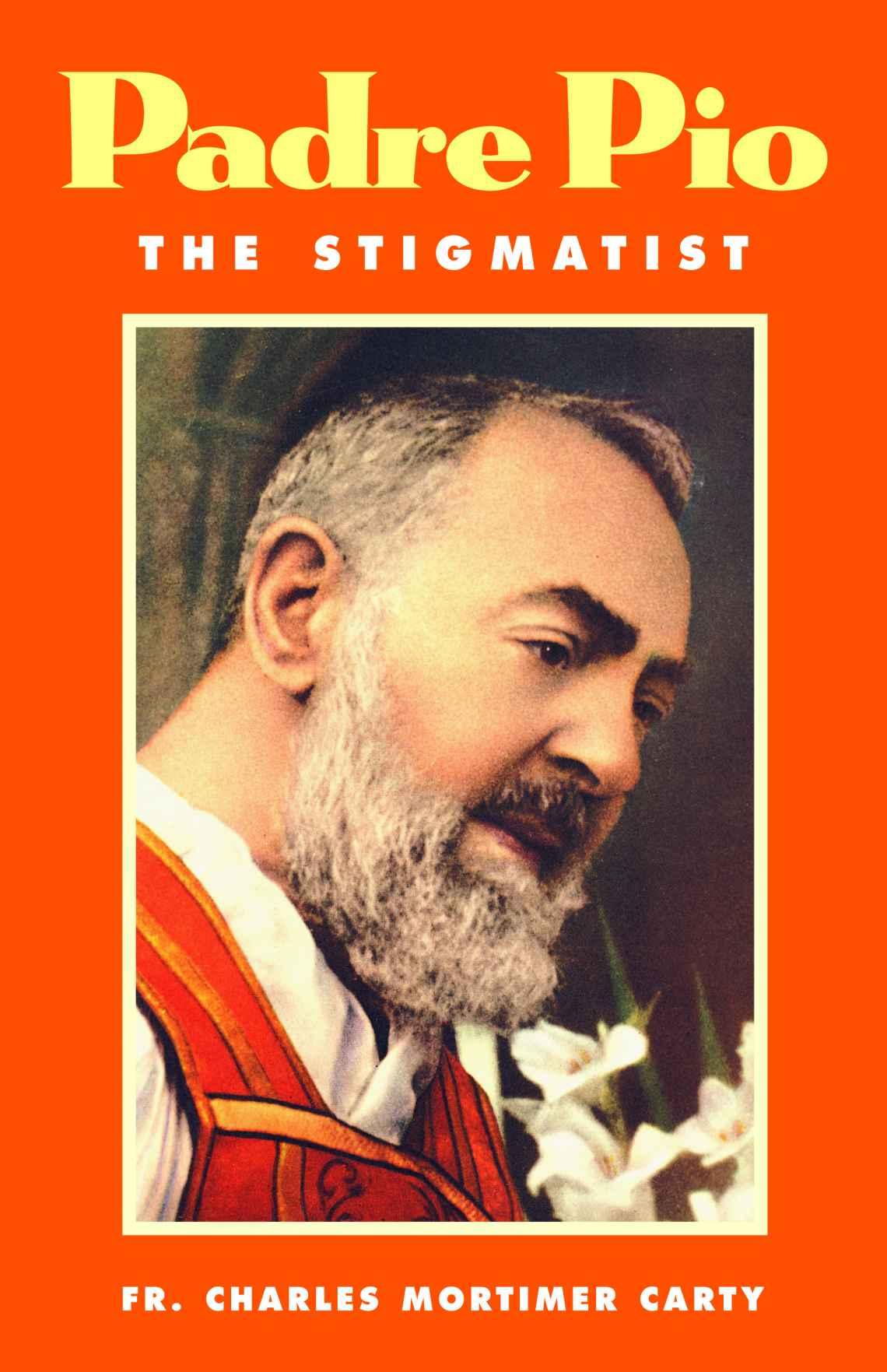
- Carty, Rev. Charles Mortimer. Padre Pio the Stigmatist. Radio Replies Press, 1951.
- Zavala, José María. Padre Pío. LibrosLibres, 2010.
Continue the investigation: Read the next chapter in the series: The Barricades of San Giovanni (1923): When the Townspeople Defended Their Friar →