
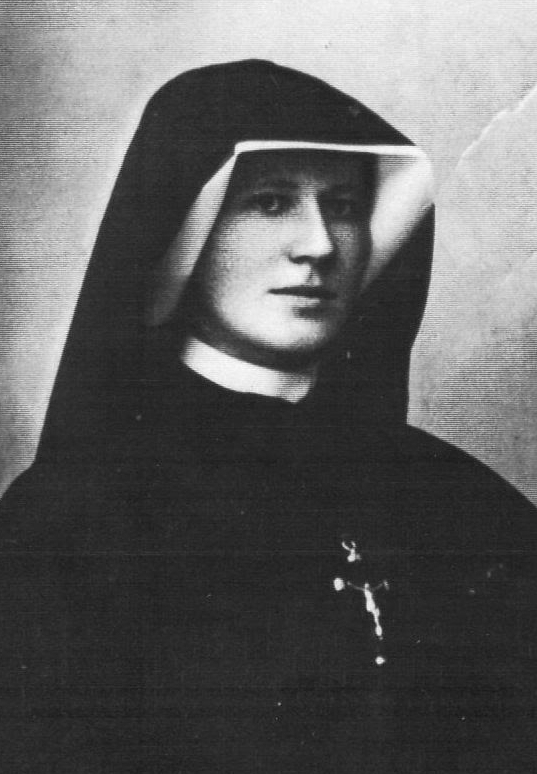

Holiness is rarely forged on mountain peaks; it is forged over iron pots, grease, and kitchen steam. One of the most touching episodes in Sister Faustina’s early monastic life took place not in an ecstatic chapel vision, but over a boiling pot of potatoes in the convent kitchen.
Key Findings & Archival Record
- The Assignment: Assigned as a kitchen sister, Faustina had to drain enormous pots of boiling potatoes with weakened physical strength.
- The Physical Struggle: Unable to lift the heavy pots without spilling them, she faced scolding from other sisters and intense fatigue (Diary, 49).
- The Miracle: Pleading for divine strength, she lifted the pot with miraculous lightness, and upon removing the lid, discovered the potatoes transformed into red roses.
- The Lesson: Christ revealed that monotonous manual labor performed with pure love possesses greater merit than spectacular spiritual mortifications.
1. Scene Lede: Steam and Iron Pots
In the early 1930s, the convent kitchen of the Sisters of Our Lady of Mercy cooked for dozens of sisters and scores of troubled girls under their care. The aluminum and cast-iron cookware used for lunch preparations were colossal, requiring immense physical endurance to drain.
Sister Faustina, whose health was already frail, was assigned to drain the potatoes. Every day, as she approached the boiling cauldrons, her arms shook with exhaustion. On several occasions, she dropped the pots or spilled the contents, earning sharp reprimands from the senior kitchen sisters who assumed she was being careless.
One afternoon, feeling entirely abandoned and physically defeated, she turned to the Lord before touching the pot handles:
“I took up the pot with ease and poured out the water. When I took off the cover to let the steam escape, I saw there in the pot, instead of potatoes, whole bunches of red roses, beautiful beyond description… I heard a voice: ‘I change such hard work of yours into the most beautiful bouquets of flowers.'” (Diary, 49)
2. Archival Record: The Sanctity of the Hidden Life
This episode mirrors the spirituality of Saint Thérèse of Lisieux’s “Little Way,” but grounded in the harsh reality of Polish interwar poverty. Faustina was not an intellectual sister; she belonged to the second choir, destined for lifetime manual labor.
Christ repeatedly told her that the value of an action is determined not by its grandeur, but by the volume of love and obedience infused into it: “My daughter, know that even the smallest effort of yours, if performed with pure love, pleases Me more than great penances done with self-will.”
3. Spiritual Discernment: Transforming Modern Drudgery
For modern workers trapped in repetitive jobs, laundry, data entry, or household chores, the pot of potatoes serves as a permanent compass: no task is too small to be transformed into spiritual currency when offered up without complaint.



Institutional Bibliography & Primary Sources
- Kowalska, St. Maria Faustina. Diary: Divine Mercy in My Soul. Stockbridge, MA: Marian Press, 2005. (Entry 49).
- Albin, Rev. Z. The Monastic Kitchen: Daily Life of the Sisters of Mercy. Warsaw, 1963.