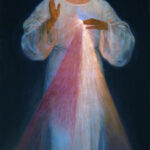

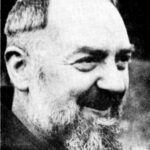
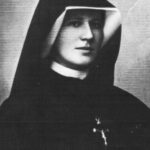

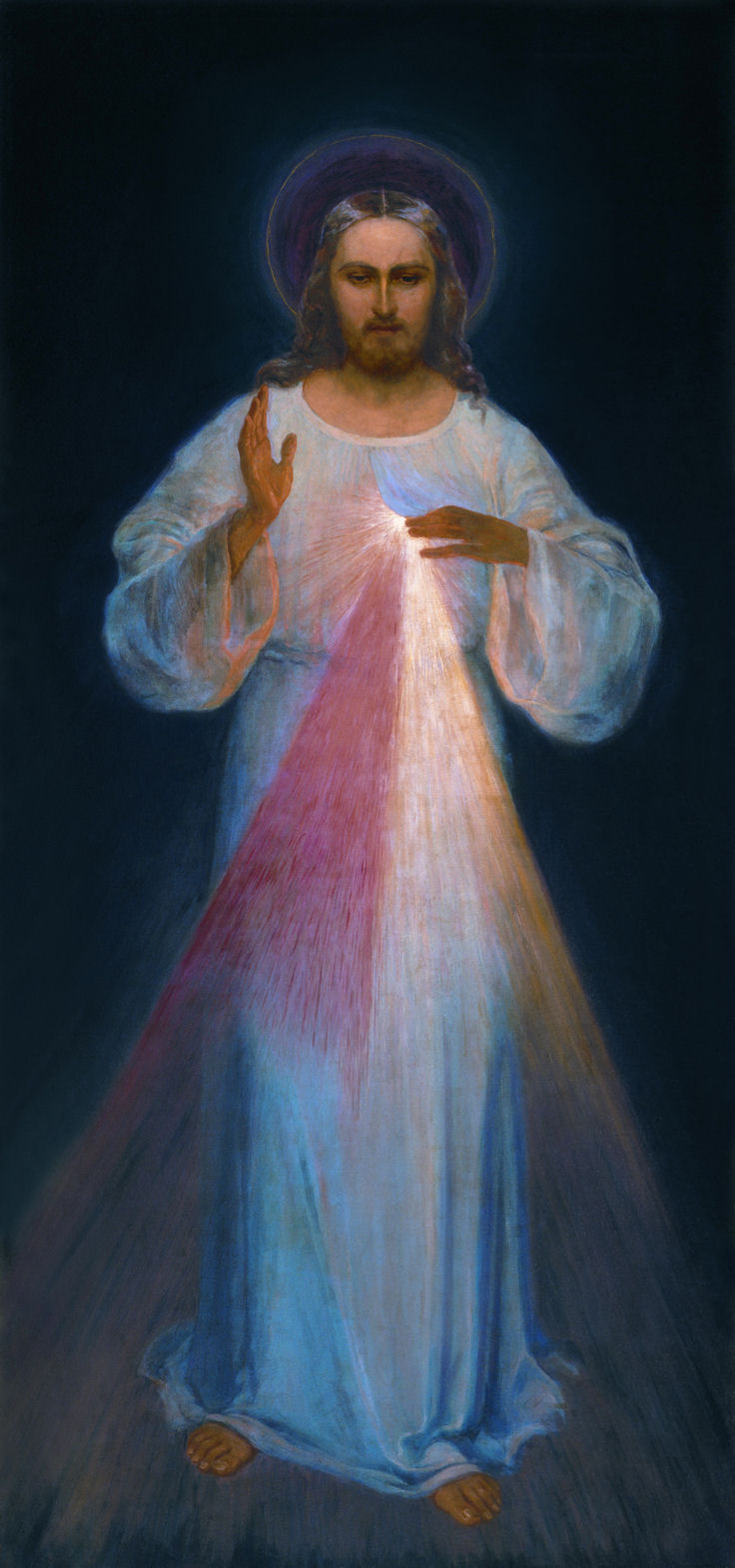
On March 6, 1959, the Supreme Sacred Congregation of the Holy Office in Rome—the Vatican’s supreme doctrinal watchdog—issued a devastating decree. Signed by Cardinal Alfredo Ottaviani, the notification prohibited the circulation of images of the Divine Mercy according to the pattern of Sister Faustina Kowalska, forbade the propagation of her devotions, and severely censured her spiritual directors. For nearly twenty years, the message that had swept across war-torn Poland was placed under a total ecclesiastical freeze. Yet beneath the Vatican prohibition lay not heresy or fraud, but an astonishing comedy of linguistic errors: a corrupted Italian translation that completely reversed Faustina’s orthodox Polish text.
Key Findings & Archival Record
- Chronological Duration: March 6, 1959 to April 15, 1978 (19 years, 1 month, 9 days).
- The Official Ban: Notification published in Acta Apostolicae Sedis 51 (1959), prohibiting images, chaplets, and writings associated with Sister Faustina Kowalska.
- The Forensic Cause: A disastrous Italian translation submitted to Rome by well-meaning promoters that introduced theological heresies, mistranslated Polish idioms, and made Faustina appear proud and heretical.
- The Reversal Architect: Cardinal Karol Wojtyła (Archbishop of Kraków), who initiated an official historical-theological inquiry, hired expert linguists and theologians, and presented the pristine original Polish text to Cardinal Franjo Šeper, securing the total revocation of the ban in April 1978, just six months before becoming Pope John Paul II.
1. Scene Lede: The Notification of March 1959
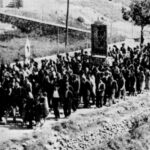
In March 1959, an aging, heartbroken priest named Father Michał Sopoćko sat in his modest room in Białystok, Poland. Twenty-five years earlier, he had posed in an alb for artist Eugeniusz Kazimirowski on Rasų Street in Vilnius, personally financing the very first Divine Mercy painting. He had watched the image survive the Nazi blitzkrieg and Soviet terror. He had seen thousands of Polish soldiers and resistance fighters march to the front clutching copies of the Divine Mercy Chaplet.
Now, a formal envelope arrived from Rome. The Holy Office, presided over by Pope John XXIII, had rendered its verdict. Without contacting Sopoćko, without inspecting Faustina’s original handwritten Polish notebooks, and without visiting the convent in Kraków, the Vatican ordered that all images of the Divine Mercy be taken down from public churches, all prayer cards withdrawn from distribution, and that Father Sopoćko be issued a severe canonical warning to cease promoting the devotion immediately.
To the secular world and ecclesiastical critics, the Divine Mercy was dead. It appeared to join the vast graveyard of discredited private apparitions. But as Faustina had foretold with uncanny precision in Diary entry 378, written twenty-two years before the ban: “There will come a time when this work, which God demands so very much, will be as though completely destroyed… and then God will act with great power, which will give evidence of its authenticity.”
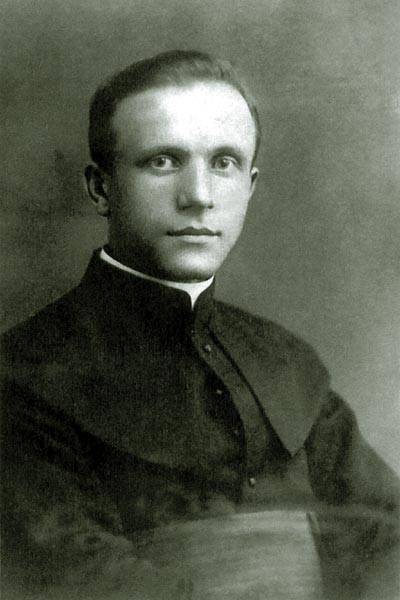
The nut graph of the twenty-year freeze exposes a fundamental truth about ecclesiastical authority. The Holy Office was not acting out of malice; it was acting to protect Catholic orthodoxy against what genuinely appeared to be dangerous heresy. The tragedy was that the Vatican had not condemned Sister Faustina; it had condemned a catastrophically incompetent Italian translation of her words.
2. Forensic Linguistic Analysis: The Blunders of the Italian Dossier
How did an orthodox Polish peasant nun come to be viewed by Rome as a dangerous heretic? In the 1950s, enthusiastic devotees in France and Italy decided to translate excerpts of Faustina’s diary into French and Italian to lobby the Holy See for the establishment of Divine Mercy Sunday. However, the translators possessed neither theological training nor a command of colloquial 1930s rural Polish.
When Holy Office consultors in Rome examined the Italian text, they encountered multiple theological landmines:
1. The Reversal of Divine and Human Action: In Polish, Faustina used rustic, poetic idioms to express total submission to God. The clumsy Italian translation rendered these sentences as if Faustina were ordering God around, claiming that God had placed His sovereign power under her personal command. Rome rightly concluded that such claims were the product of extreme megalomania and spiritual pride.
2. Doctrinal Distortion of the Sacraments: Faustina’s descriptions of the Two Rays of Blood and Water were garbled into strange pseudo-Gnostic theories that bypassed the historic Catholic priesthood, making it seem as if merely looking at a canvas replaced the Sacraments of Confession and the Eucharist.
3. Canonical Confusion with the Sacred Heart: Conservative curial officials feared that the Divine Mercy devotion was attempting to replace the established devotion to the Sacred Heart of Jesus, which had been solemnized by Pope Leo XIII and Pope Pius XII.
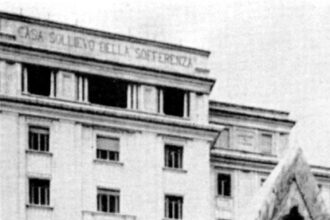
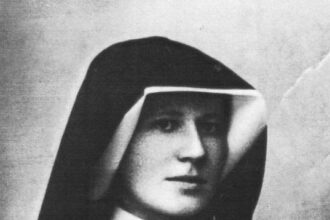
3. The Kraków Counter-Offensive: Karol Wojtyła’s Masterstroke
The turning point in the twenty-year freeze arrived in 1965 in Kraków. The young, intellectually formidable Archbishop of Kraków, Karol Wojtyła, had a deep personal connection to Faustina. During the Nazi occupation, as a clandestine seminarian working at the Solvay chemical plant, Wojtyła walked every day past the Łagiewniki convent where Faustina lay buried. He knew her memory was associated not with hysteria, but with heroic Christian charity and fortitude.
During the Second Vatican Council in Rome, Archbishop Wojtyła approached Cardinal Alfredo Ottaviani at the Holy Office and asked a daring question: “Your Eminence, has the Holy Office definitively closed the case on Sister Faustina Kowalska, or would you permit me to initiate an official Informative Process in Kraków?” Ottaviani reportedly smiled and replied: “Do it quickly, Monsignor, before the witnesses die.”
Returning to Kraków, Wojtyła launched a massive, scientifically rigorous diocesan inquiry. He commissioned Father Ignacy Różycki, a brilliant professor of dogmatic theology who initially harbored severe skepticism toward Faustina. Różycki was given the original handwritten Polish notebooks. Over a decade, Różycki prepared a 500-page critical edition, analyzing every sentence, cross-referencing every scripture passage, and demonstrating that every single theological proposition in Faustina’s diary aligned flawlessly with Sacred Scripture and the Council of Trent.
4. April 15, 1978: The Total Revocation
In early 1978, Cardinal Wojtyła traveled to the Congregation for the Doctrine of the Faith (the successor to the Holy Office) and presented Różycki’s definitive theological dossier to Prefect Cardinal Franjo Šeper. When Roman theologians read the pristine original Polish text alongside the accurate translations, the previous accusations evaporated.
On April 15, 1978, the Sacred Congregation issued a historic document signed by Cardinal Šeper, declaring that the 1959 notification was no longer binding and that the devotion to Divine Mercy, according to the forms revealed to Sister Faustina, was officially cleared for worldwide practice.
The timing of the revocation was nothing short of miraculous. Exactly six months later, on October 16, 1978, Cardinal Karol Wojtyła was elected Supreme Pontiff, taking the name Pope John Paul II. As we will explore in our upcoming investigation on the Spark from Poland and Faustina’s second coming prophecy, the stage was set for the peasant nun’s message to conquer the entire world.
5. Spiritual Reality & Discernment: The Crucible of Patience
The story of the twenty-year Vatican ban contains an indispensable lesson for modern Christians navigating institutional frustration, misunderstanding, or false accusations.
Three Core Lessons from the Ban
1. Trust Survives Silence: Father Sopoćko did not launch a bitter public rebellion against Rome. He submitted in humble silence, continuing to teach his theology classes and pray in obscurity. If a work is truly of God, no human decree can permanently destroy it.
2. Truth Demands Intellectual Rigor: The devotion was not rescued by emotional protests; it was rescued by rigorous scholarship, linguistic accuracy, and doctrinal precision. Faith and reason are never enemies; reason is the sword that vindicates authentic faith.
3. Divine Timing is Infallible: Had the ban not occurred, the theological dossier would never have been compiled with such academic thoroughness. The ban forced the Church to examine Faustina with unprecedented scrutiny, creating the bulletproof foundation that enabled her canonization on April 30, 2000.
Institutional Bibliography & Archival Records
Sacred Congregation of the Holy Office. Notificatio: De devotione erga Divinam Misericordiam. Acta Apostolicae Sedis 51 (1959): 271.
Sacred Congregation for the Doctrine of the Faith. Notificatio: Revocatio Notificationis de operibus Sororis Faustinae Kowalska. AAS 70 (1978): 350.
Różycki, Rev. Ignacy. Nabożeństwo do Miłosierdzia Bożego: Studium Teologiczne. Kraków: Wydawnictwo Diecezjalne, 1999.
Weigel, George. Witness to Hope: The Biography of Pope John Paul II. New York: HarperCollins, 1999.