
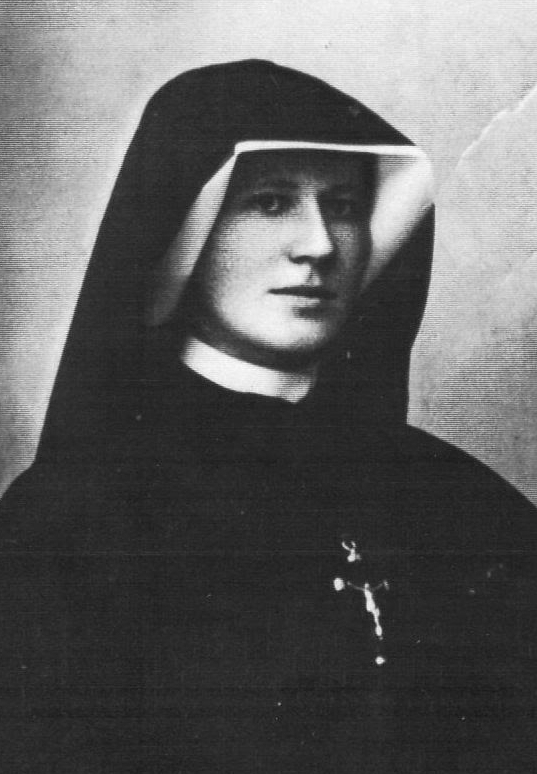

Modern culture often reduces divine mercy to cheap universalism, assuming God simply ignores human sin. But Sister Faustina’s revelations contain one of the most chilling, objective eyewitness accounts of eternal damnation ever penned in Catholic mystical literature.
Key Findings & Archival Record
- The Journey (October 1936): Led by her Guardian Angel, Faustina spent eight days contemplating the chasms of hell by divine command (Diary, 741).
- The Seven Torments: 1) Loss of God; 2) Perpetual remorse of conscience; 3) Eternal unchangeability; 4) Penetrating spiritual fire; 5) Continual suffocating darkness; 6) Unceasing company of demons; 7) Horrible despair, hatred of God, and blasphemies.
- The Critical Finding: “I noticed one thing: that most of the souls there are those who disbelieved that there is a hell.”
- The Divine Purpose: Commanded by Christ to record it so no human soul can plead ignorance at the judgment seat.
1. Scene Lede: The Chasm of Darkness
In October 1936, during an eight-day retreat in Kraków, Faustina was taken in spirit to the subterranean abyss of hell. She wrote with the detached, clinical precision of an anatomical pathologist, refusing sentimental embellishment.
She observed that each condemned soul experiences punishments customized to the sins it committed on earth, but seven overarching torments constitute the common agony of the damned:
“The first torment that constitutes hell is the loss of God; the second is perpetual remorse of conscience; the third is that one’s condition will never change; the fourth is the fire that will penetrate the soul without destroying it… I am writing this at the command of God, so that no soul may find an excuse by saying there is no hell.” (Diary, 741)
2. Archival Record: The Modern Disbelief
The single most alarming sentence in entry 741 concerns the spiritual profile of the lost:
“Most of the souls there are those who disbelieved that there is a hell.”
Satan’s greatest operational masterpiece in the modern era has been convincing humanity that eternity carries no consequences. By dulling the fear of God and treating hell as a medieval superstition, souls stroll carelessly into mortal sin, refusing repentance until death freezes their choice forever.
3. Spiritual Discernment: The Urgent Counter-Weight of Mercy
Faustina did not write about hell to terrify readers into despair; she wrote to reveal the staggering value of the Chaplet of Divine Mercy. After witnessing the abyss, she threw herself into relentless intercession for dying sinners, understanding that every thirty seconds of prayer can snatch a soul from the edge of damnation.

Institutional Bibliography & Primary Sources
- Kowalska, St. Maria Faustina. Diary: Divine Mercy in My Soul. Stockbridge, MA: Marian Press, 2005. (Entry 741).
- Catherine of Siena, St. The Dialogue of Divine Providence. Paulist Press, 1980.