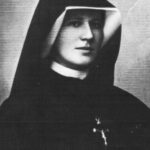
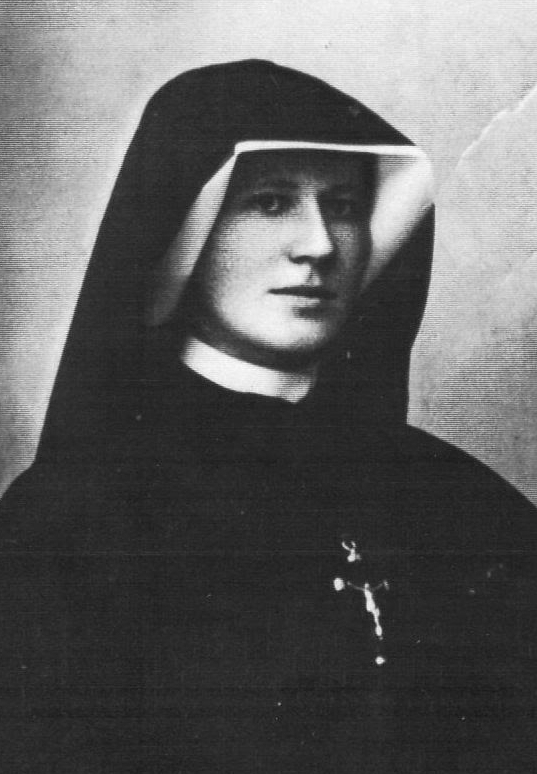

In a culture that views physical pain and chronic illness as entirely useless waste, Saint Faustina’s life offers a radical counter-cultural witness. Bedridden with terminal tuberculosis in the Prądnik sanatorium, she received from Christ the theology of redemptive suffering.
Key Findings & Archival Record
- The Context: Written in 1937–1938 while suffering advanced pulmonary and intestinal tuberculosis at the Prądnik hospital.
- The Voice of the Soul: The sick soul cries out that it can no longer pray, fast, or perform good works, feeling useless and burdensome to others.
- Christ’s Revelation: Jesus explains that physical suffering united with His Passion has greater intercessory power than active missionary preaching (Diary, 1487).
- The Spiritual Currency: Suffering without complaining becomes pure spiritual currency for the conversion of hardened sinners thousands of miles away.
1. Scene Lede: The Sanatorium Ward
In the spring of 1937, Sister Faustina was moved into the isolation ward of the Prądnik Sanatorium outside Kraków. Her lungs were disintegrating; she suffered high fevers, night sweats, and relentless coughing fits that left her gasping for breath.
To an outside observer, she was a liability to her convent: consuming medical expenses, contributing zero labor, and needing nursing care. Faustina felt this humiliation acutely. But in prayer, Christ inverted the human perspective entirely:
“Jesus: ‘My child, suffering will become for you an unfailing source of joy, if you look upon it through the eyes of faith. When you suffer, you resemble Me; you are united to My Cross. Do not ask for the suffering to be removed, but for the grace to bear it with love.'” (Diary, 1487)
2. Archival Record: Suffering as Co-Redemption
Saint Paul wrote in Colossians 1:24: “Now I rejoice in my sufferings for your sake, and in my flesh I am filling up what is lacking in Christ’s afflictions for the sake of his body, that is, the Church.”
Faustina lived this mystery in the flesh. She recorded that whenever she offered her physical pain in silence—without seeking pity or complaining to the nurses—Christ used that hidden sacrifice to save dying souls who were on the verge of rejecting God on their deathbeds.
3. Spiritual Discernment: The Sickbed as an Altar
If you or a loved one are carrying chronic disease, pain, or aging, your life is not sidelined. United with Christ, a hospital bed becomes an altar, and quiet endurance achieves spiritual victories that public eloquence cannot match.
Institutional Bibliography & Primary Sources
- Kowalska, St. Maria Faustina. Diary: Divine Mercy in My Soul. Stockbridge, MA: Marian Press, 2005. (Entries 1487, 1056, 1261).
- John Paul II, Pope. Apostolic Letter: Salvifici Doloris (On the Christian Meaning of Human Suffering), 1984.