
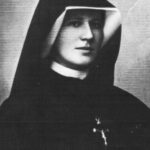
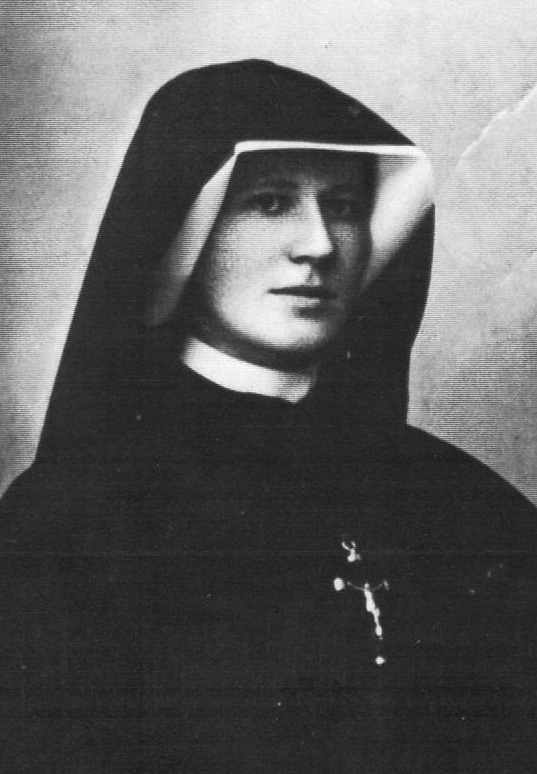

In the bitter winter of 1937 in Kraków-Łagiewniki, when sub-zero temperatures coated the monastery gardens in ice, Sister Faustina was assigned to decorate the chapel altar. What happened next astounded the community: fresh, vibrant blossoms appeared despite frozen soil and empty glasshouses.
Key Findings & Archival Record
- The Event (December 1937): Convent of Kraków-Łagiewniki; Faustina was charged with finding flowers to adorn the altar of the Blessed Sacrament for Feast of the Immaculate Conception.
- The Physical Impossibility: All gardens were frozen under deep snow, and the convent lacked funds to purchase greenhouse flowers from city florists.
- The Locution: In prayer, Jesus assured her: “My daughter, for you I make the flowers bloom; whatever you ask of Me in purity of heart, I shall not refuse.” (Diary, 1406).
- The Historical Parallel: Resembles the miracle of the roses of Juan Diego at Guadalupe and Saint Francis of Assisi, where creation responds to the restoration of original innocence.
1. Scene Lede: Ice on the Altars
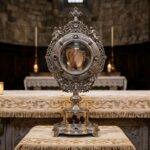
December in southern Poland transforms the countryside into a frozen expanse of snow and ice. Inside the chapel at Kraków-Łagiewniki, the altar of the Blessed Sacrament looked bare and bleak. Sister Faustina, who possessed a delicate love for the physical beauty of creation, felt sorrow that the tabernacle had no floral honor.
She knelt before the tabernacle and whispered: “Jesus, if only I had flowers for You.” That evening, entering the glass conservatory that had stood barren and unheated for months, she discovered fresh, blossoming flowers thriving against the frost-covered glass.
“Jesus said to me: ‘For you, my child, I make the flowers bloom… When a soul loves Me sincerely, creation itself becomes obedient to its desires, for it recognizes the presence of its Creator.'” (Diary, 1406, 1441)
2. Archival Record: Creation and Sanctity
Throughout Christian hagiography, saints who attained profound mystical union with God exhibited a mysterious dominion over nature. The desert fathers lived peacefully with lions; Saint Francis spoke to birds; Saint Juan Diego gathered Castilian roses on the frozen hill of Tepeyac (as detailed in our study of the Tilma of Guadalupe).
In Faustina’s diary, nature responds similarly. When storms threatened to destroy the convent crops or strike buildings, she recited the Chaplet, and clouds dispersed. The blooming flowers in winter were a quiet testament to the tenderness of Christ toward a dying daughter.
3. Spiritual Discernment: The Value of Pure Affection
Christ did not perform this miracle for thousands of pilgrims; He did it quietly, in an empty greenhouse, to satisfy a peasant nun’s desire to adorn His altar. God pays exquisite attention to the smallest details of our love.
Institutional Bibliography & Primary Sources
- Kowalska, St. Maria Faustina. Diary: Divine Mercy in My Soul. Stockbridge, MA: Marian Press, 2005. (Entries 1406, 1441).
- Moraczewska, Mother Michaela. Memoirs of Sister Faustina Kowalska. Archives of the Congregation, Warsaw, 1949.