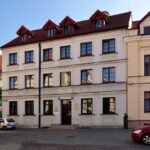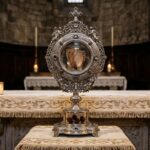

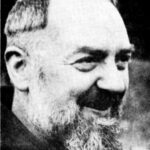
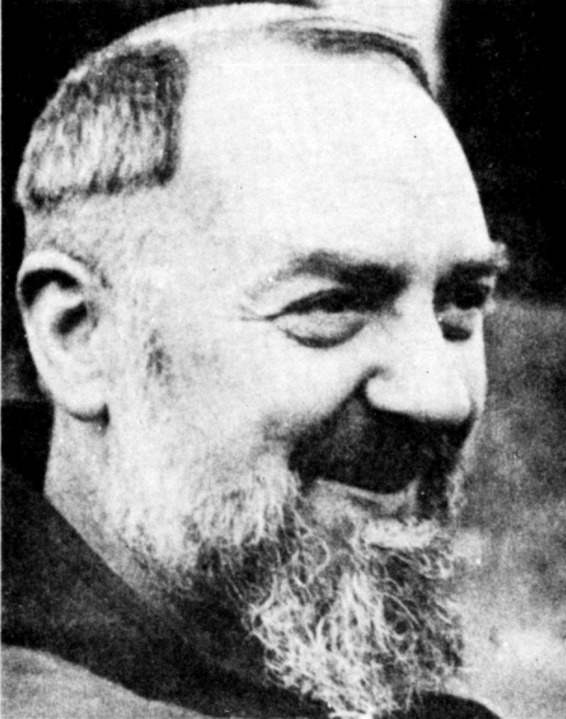

On June 9, 1931, the Holy Office struck Padre Pio with the most severe penalty short of excommunication: total isolation from the outside world. For seven hundred and fifty-two days, the friar lived in absolute seclusion inside Cell No. 1.
Key Findings & Archival Record
- The Papal Decree: Holy Office decree of May 23, 1931, served on Padre Pio on June 9, 1931, stripping him of all priestly faculties except the celebration of private Mass.
- The Conditions of Confinement: Forbidden from celebrating Mass in public, hearing confessions of anyone (including friars), answering correspondence, or stepping into the church when visitors were present.
- The Daily Routine: Rising at 3:30 AM, offering solitary Mass in the inner chapel of Saint Francis with only a single altar boy, spending hours in prayer before the tabernacle, and walking alone in the inner courtyard.
- The Reaction: When the decree was read by Father Bernardo da Alatri, Pio kissed the paper, wept softly, and whispered: “May God’s will be done.”
1. Scene Lede: June 9, 1931: The Door Closes
On Tuesday morning, June 9, 1931, Padre Pio celebrated Mass as usual in the small church of Our Lady of Grace. Hundreds had gathered at the altar rails to receive Communion from his wounded hands. None of the pilgrims realized that it would be the last time they would see him for over two years.
After Mass, the Guardian of the friary summoned Pio into the community library. Father Bernardo da Alatri, the provincial visitor, unfolded an official decree from the Holy Office in Rome. Under the authority of Pope Pius XI, Padre Pio was stripped of all active ministry.
He was forbidden from hearing the confession of any human being; forbidden from celebrating Mass in the public church; forbidden from blessing the crowd; and forbidden from writing letters or sending messages to his spiritual children across the world. He was to remain confined to his monastic cell.
Father Bernardo looked at Pio with deep apprehension, fearing a breakdown or protest. Padre Pio took the decree in his bandaged hands, pressed it to his lips, and looked upward:
“Father, the will of the superiors is the will of God. If the Church commands my silence, I will be silent. May the Lord be blessed in everything.” (Ruffin, Ch. XVIII)
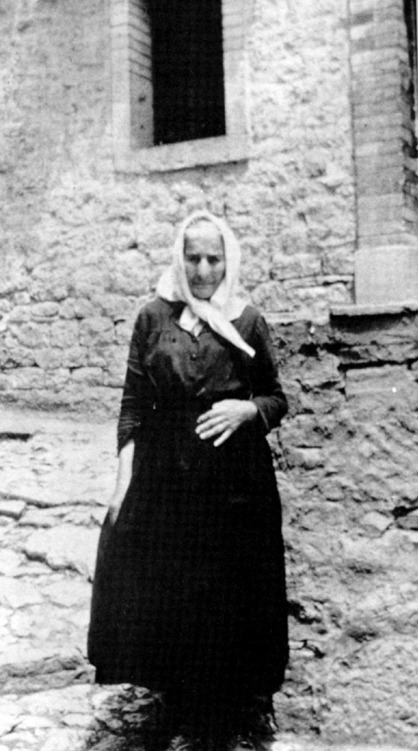
2. Archival Record: The Solitary Mass at Dawn
For the next seven hundred and fifty-two days, Padre Pio lived like a desert anchorite within the walls of his monastery. Each morning at 4:00 AM, while the town slept, he walked in the dark to the tiny inner domestic chapel of Saint Francis.
With only an elderly Capuchin brother serving at the altar, Padre Pio offered the Holy Sacrifice. Deprived of human observers, his Mass lengthened into hours of intense mystical communion. Unrestrained by public schedules, he wept openly at the Consecration, his bandaged wrists trembling as he held the chalice in union with Christ’s Passion.
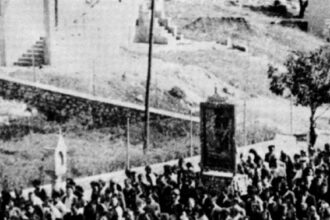
“Those two years of solitary confinement were not a punishment; they were the most fruitful years of his interior life. In the silence of that chapel, he bore the cross of the universal Church.” — Padre Agostino, Spiritual Diary
3. The Empty Confessional and the Weeping Town
Outside the locked wooden doors of the convent, the scene was desolate. The oak confessional where thousands had found forgiveness stood empty and draped in purple. Pilgrims who arrived after traveling for days were turned away at the gates by Carabinieri.
Yet Padre Pio did not despair. He spent his afternoons in his cell reading theology, writing in his spiritual journals, and reciting dozens of daily Rosaries for the intentions of the Pope who had imprisoned him. When fellow friars expressed sympathy for his suffering, Pio replied with serenity:
“Do not weep for me. I am a prisoner of Christ, and no prison can take away the peace of God from a soul that loves Him.” (Epistolario I)
4. Spiritual Discernment: The Power of Hidden Suffering
Modern culture equates usefulness with visibility, productivity, and social media presence. Padre Pio’s two-year imprisonment delivers a profound spiritual counterweight: the most powerful work of God is performed in hiddenness, silence, and apparent fruitlessness. When stripped of every ministry, title, and public audience, Pio’s interior union with Christ deepened, proving that our value to God lies not in what we accomplish, but in how deeply we surrender.
Archival Bibliography & Primary Sources
- Ruffin, C. Bernard. Padre Pio: The True Story. Our Sunday Visitor, 1982/1991 (Chapter XVIII: ‘The Imprisonment’).
- Congregation for the Doctrine of the Faith. Acta Sancti Officii: Decretum Decretorum de P. Pio. Archivio Segreto Vaticano, 1931.
- da Pobladura, Melchiorre, ed. Epistolario I: Corrispondenza con i direttori spirituali. San Giovanni Rotondo, 1984.
- Carty, Rev. Charles Mortimer. Padre Pio the Stigmatist. Radio Replies Press, 1951.
Continue the investigation: Read the next chapter in the series: The Papal Reversal (1933): Pius XI Restores the faculties →