

Key Findings & Archival Record
- Historical Event: Triduum closing the Extraordinary Jubilee Year of Redemption (April 26–28, 1935).
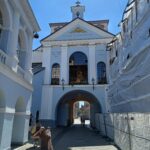
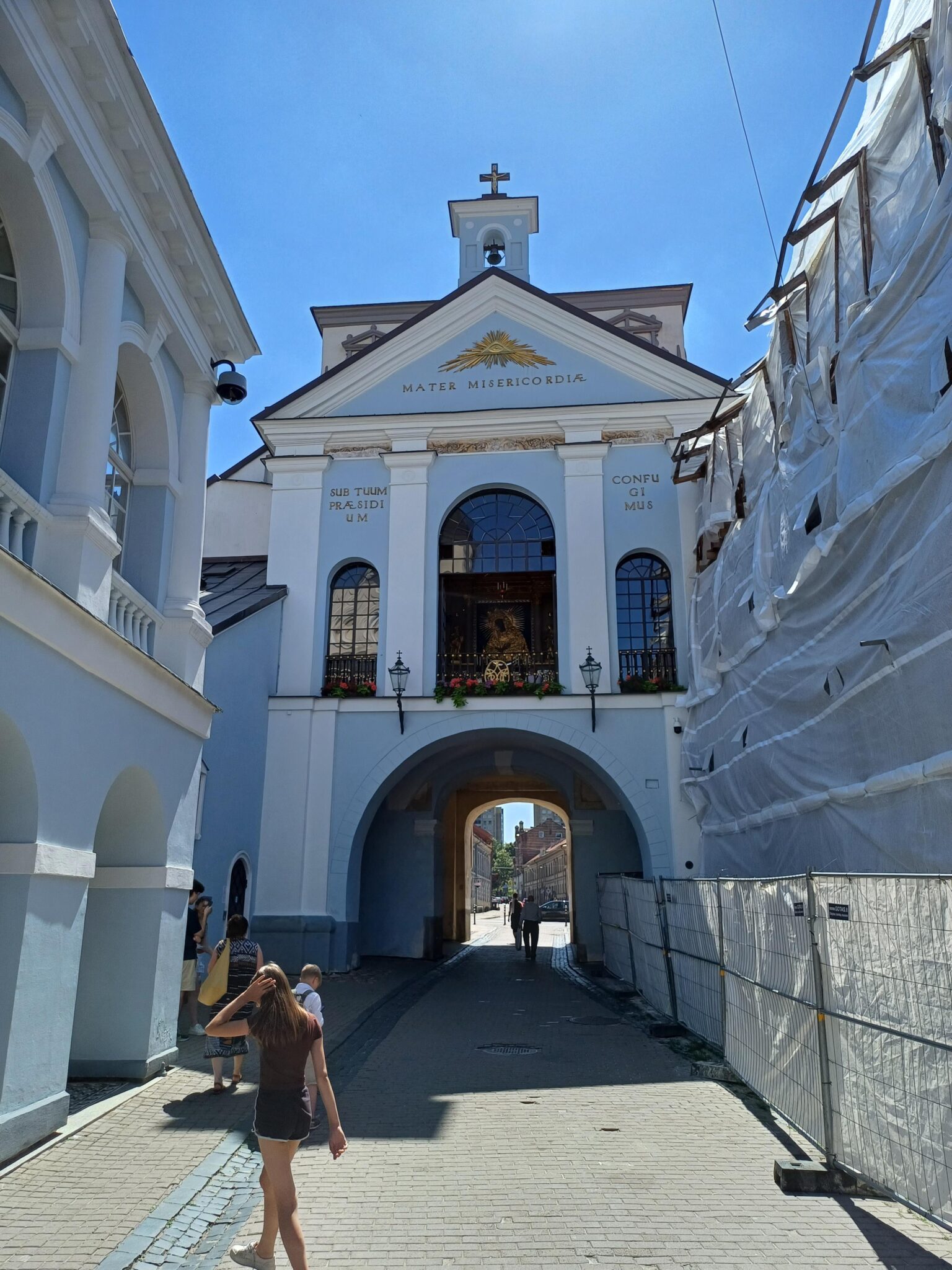
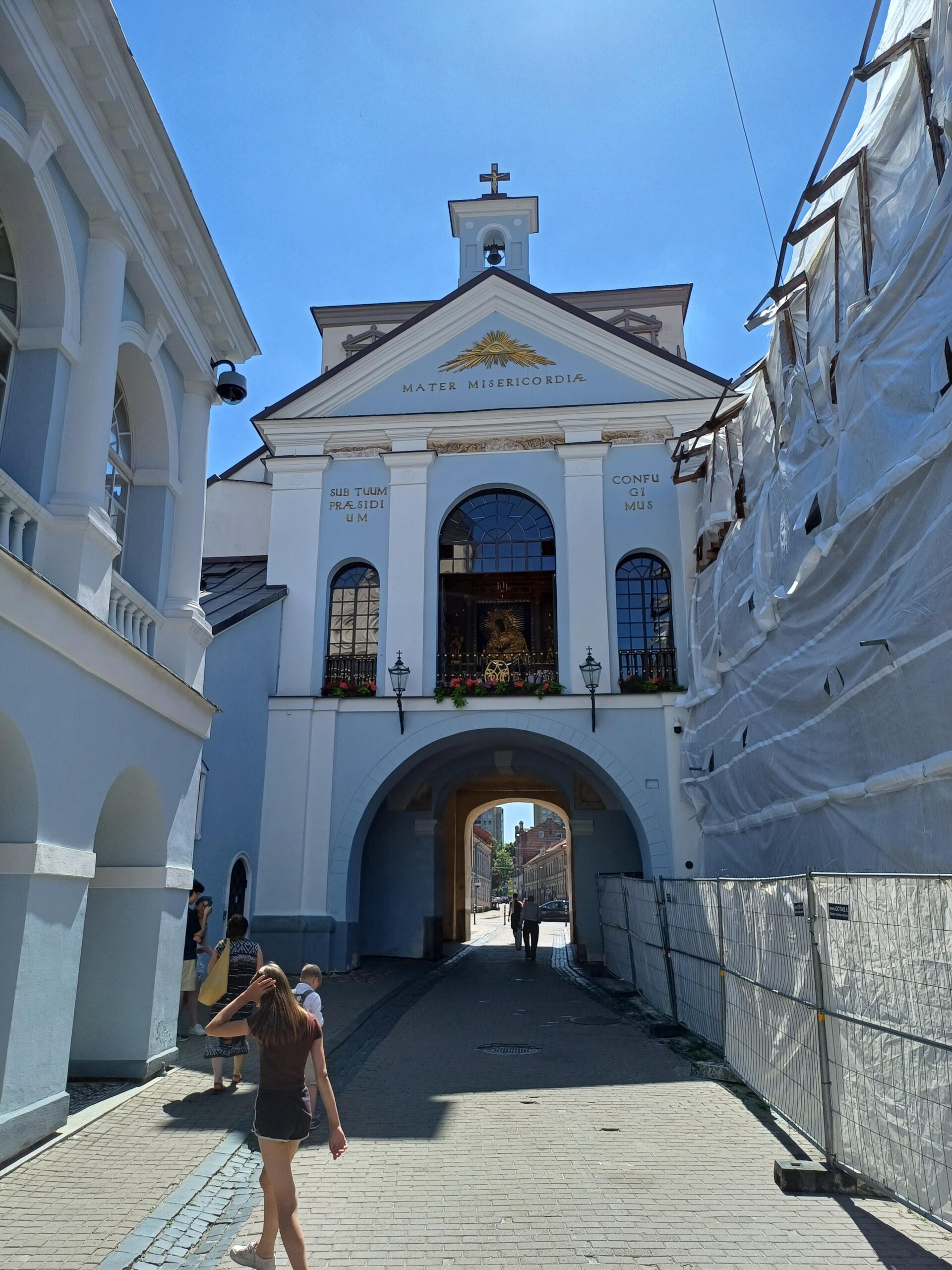
- Location: Ostra Brama (Gate of Dawn), Vilnius, Lithuania.
- Significance: The very first public display of the Divine Mercy painting, coinciding with the exact day Christ requested as Mercy Sunday.
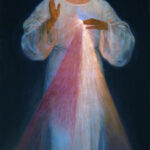
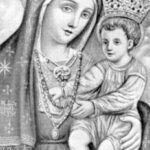
On Friday, April 26, 1935, a massive crowd filled the cobblestone streets beneath the open arcade of Ostra Brama, the ancient Gate of Dawn in Vilnius. For centuries, this chapel had served as Lithuania’s most revered Marian sanctuary. But on that spring afternoon, beside the venerated gold-crowned icon of the Mother of Mercy, hung an unfamiliar oil painting: a life-sized depiction of Jesus stepping forward against a dark abyss, raising His right hand in blessing while red and pale rays poured from His pierced breast.
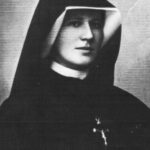
Hidden amidst the crowd in the square stood twenty-nine-year-old Sister Maria Faustina Kowalska. For four years, she had carried the impossible promise made to her in a dark convent cell in Płock: that this image would be honored publicly throughout the entire world. Seeing the canvas raised in the high gallery of Ostra Brama, she wept quietly into her habit, witnessing the literal fulfillment of an impossible command.
The nut graph of the Ostra Brama exhibition exposes an astonishing chronological convergence. The three-day solemn celebration (April 26–28, 1935) marked the closure of the worldwide Jubilee of the Redemption. The culminating Sunday of the triduum was the Second Sunday of Easter, the exact liturgical day Christ had demanded as the Feast of Divine Mercy four years before anyone understood its significance.
Father Sopoćko’s Tactical Boldness
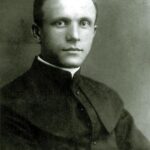
The painting’s appearance at Ostra Brama was engineered through the tactical brilliance of Father Michał Sopoćko. As the rector of Saint Michael’s Church, Sopoćko had been invited by the custodian of Ostra Brama, Canon Stanisław Zawadzki, to preach the festive jubilee sermons. Sopoćko agreed on one radical condition: that he be allowed to place Kazimirowski’s freshly finished canvas in the chapel window overlooking the square.
During his Sunday sermon on April 28, Sopoćko proclaimed the unfathomable depths of divine redemption. Faustina, listening from the street below, recorded a mystical experience in Diary entry 417: “When Father began to speak of the great mercy of the Lord, the image came to life and its rays pierced through the hearts of the people gathered there, though not all received them in the same measure.”
The Aftermath: Returning to Obscurity
Once the triduum concluded, ecclesiastical authorities ordered the image removed from Ostra Brama. Cannon law prohibited the permanent public veneration of unapproved images. For the next two years, the canvas was relegated to the dark corridors of the Bernardine convent near Saint Michael’s Church, hidden from general view.
Yet the spark had been struck. The thousands of pilgrims who stood beneath the Gate of Dawn on April 28, 1935 carried the memory of those luminous pale and red rays into the coming horrors of World War II, establishing Ostra Brama as the historical cradle of modern Divine Mercy devotion.
Archival Sources & Verification
Kowalska, Maria Faustina. Diary: Divine Mercy in My Soul. Stockbridge, MA: Marian Press, 2005.
Sopoćko, Michał. Memoirs and Chronicles of the Ostra Brama Celebrations. Vilnius Historical Archives, 1936.
Zieliński, Józef. Ostra Brama w Wilnie: Historia i Świadectwa. London: Veritas Foundation, 1974.