
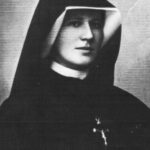
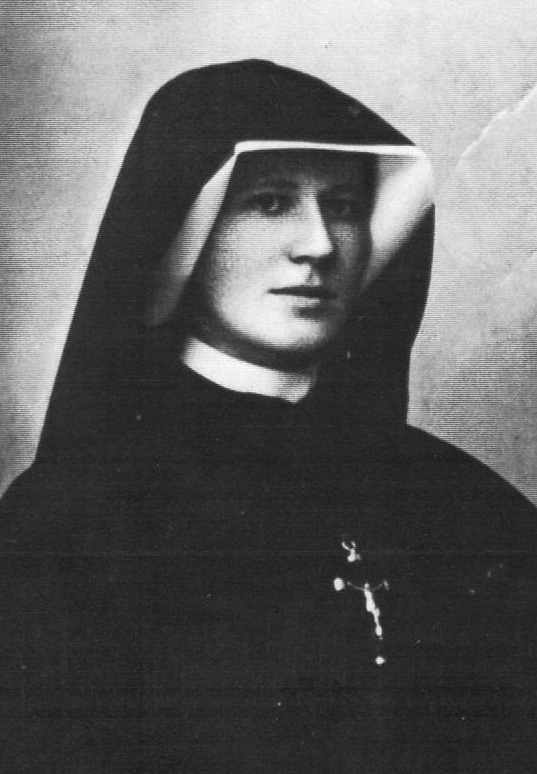

Years before Adolf Hitler unleashed the Blitzkrieg and the Luftwaffe obliterated the historic capital of Warsaw, Sister Faustina Kowalska recorded precise, terrifying prophetic visions of Poland’s coming chastisement, weeping for a city she knew was doomed.
Key Findings & Archival Record
- The Prophecies: Recorded in entries 286, 429, and 1533 between 1934 and 1938.
- The Destruction of Warsaw: Faustina saw in spirit the Polish capital reduced to smoking ruins, churches desecrated, and thousands of innocent civilians slaughtered.
- The Intercession: Faustina offered her physical illnesses as a victim soul to mitigate the severity of the chastisement, begging God to preserve a faithful remnant.
- Historical Exactness: Fulfilled during the September 1939 invasion and the catastrophic 1944 Warsaw Uprising, where 85% of the city was systematically leveled.
1. Scene Lede: The Vision Over the Capital
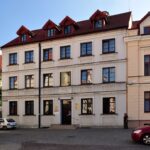
While visiting the congregation’s house in Warsaw in 1934, Faustina looked out over the bustling European metropolis. Suddenly, she saw the spiritual sword of divine justice poised directly above the city:
“I saw the great wrath of God hanging over Poland, especially over Warsaw… God said: ‘The sins of this city have reached the height of Heaven; if it does not do penance, it will be destroyed like Sodom.'” (Diary, 286, 429)
2. Archival Record: The 1944 Annihilation
Ten years later, following the heroic Warsaw Uprising of August 1944, Heinrich Himmler issued a direct Führer-order: “Warsaw must be razed to the ground without a trace.” Flamethrower squads systematically leveled block after block, reducing churches, palaces, and homes to rubble.
Yet in the middle of that slaughter, underground prayer groups gathered in cellars reciting the Chaplet of Divine Mercy. Survivors testified that the Chaplet was their sole psychological and spiritual lifeline against Nazi brutality.
3. Spiritual Discernment: The Watchman on the Wall
Prophecy in Scripture is never fatalistic; it is always a conditional warning intended to provoke repentance. Faustina’s tears for Warsaw remind us that Christians are called to be spiritual watchmen on the walls of our nations, interceding before disaster strikes.
Institutional Bibliography & Primary Sources
- Kowalska, St. Maria Faustina. Diary: Divine Mercy in My Soul. Stockbridge, MA: Marian Press, 2005. (Entries 286, 429, 1533).
- Davies, Norman. Rising ’44: The Battle for Warsaw. Viking, 2003.