
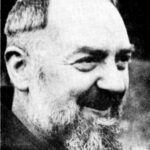

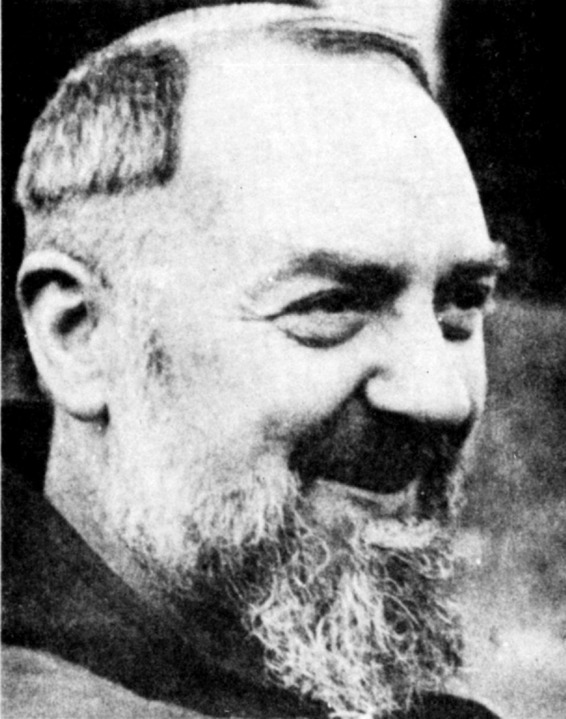
While secular doctors marveled at the biological mystery of the stigmata, the fiercest threat to Padre Pio arose from within the hierarchy of the Catholic Church: Archbishop Pasquale Gagliardi of Manfredonia, whose corrupt diocesan administration declared war on the Capuchin friar.
Key Findings & Archival Record
- The Opponent: Monsignor Pasquale Gagliardi (1859–1941), Archbishop of Manfredonia-Vieste, who governed the ecclesiastical territory encompassing San Giovanni Rotondo.
- The Economic Motive: The influx of tens of thousands of pilgrims and donations to the Capuchin friars bypasses the corrupt diocesan curia, infuriating local diocesan clergy and the Archbishop.
- The Slander Campaign: Gagliardi personally traveled to Rome, swearing to Pope Benedict XV that he had seen Padre Pio “powder his face with perfume and apply acid with a sponge,” an accusation proven totally false under canonical investigation.
- The Downfall: In 1929, Pope Pius XI ordered a papal apostolic visitation into Gagliardi’s diocese, exposing catastrophic financial corruption and simony; Gagliardi was forced to resign in disgrace while Pio was exonerated.
1. Scene Lede: The Palace in Manfredonia
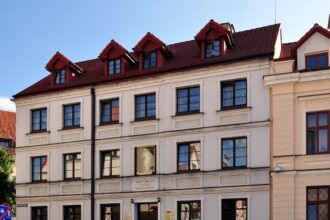
Down on the coastal cliffs of Manfredonia, forty miles from the quiet friary on Mount Gargano, sat the palace of Archbishop Pasquale Gagliardi. Gagliardi was an authoritarian prince-bishop of the old school: politically entrenched, lavishly financed, and deeply hostile to religious orders that operated outside his immediate financial control.
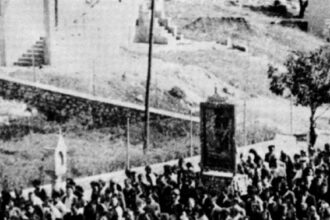
By 1920, the roads leading to San Giovanni Rotondo were choked with automobiles, carriages, and peasant walking pilgrimages. Thousands of lire in Mass intentions and charity were flowing into the hands of the brown-robed Capuchins, while the cathedral in Manfredonia stood quiet. The local diocesan priests complained bitterly to the Archbishop: “The friar is stealing our people and our revenue.”
Gagliardi decided to crush the phenomenon. He began a systematic campaign of defamation, planting rumors in the Roman press and filing formal denunciations with the Holy Office.
2. Archival Record: The False Oath in the Vatican
In July 1920, Archbishop Gagliardi secured a private audience with Pope Benedict XV in the Vatican. Determined to achieve an immediate suspension, Gagliardi looked the Supreme Pontiff in the eye and delivered a sworn fabrication:
“Holy Father, I have visited the friary myself. I have seen Padre Pio powdering his face and pouring perfume on his wounds. He is an impostor possessed by the devil, and the Capuchins are running a commercial industry on Mount Gargano.” — Archbishop Pasquale Gagliardi to Pope Benedict XV
Pope Benedict XV was deeply disturbed. However, when the Pope ordered a secret apostolic visitation led by Bishop Raffaello Carlo Rossi to verify the Archbishop’s claims under oath, the accusation fell apart. Inquisitors discovered that Gagliardi had not visited San Giovanni Rotondo in years, had never witnessed Padre Pio dressing his wounds, and had relied entirely on tavern gossip and disgruntled diocesan clerics.
3. The 1929 Papal Investigation into the Archbishop
The tragedy for Gagliardi was that his war on Padre Pio turned Rome’s spotlight back onto his own diocese. In 1928, an apostolic visitation ordered by Pope Pius XI uncovered rampant simony, illicit sale of church properties, and scandalous financial irregularities inside the Manfredonia curia.
“In October 1929, Pope Pius XI accepted the forced resignation of Archbishop Gagliardi, stripping him of his see in disgrace. The man who sought to destroy Padre Pio was removed from office, while the friar remained in his cell.” (Ruffin, Ch. XIV)
4. Spiritual Discernment: Loving One’s Persecutors
Throughout twelve years of public slander, Padre Pio never spoke an ill word of Archbishop Gagliardi. When friars brought him news of the Archbishop’s attacks, Pio bowed his head and said: “He is our bishop; we must kiss his ring and pray for his soul.” When Gagliardi was deposed in 1929, Pio offered Masses for his health and salvation. True sanctity does not triumph by defeating enemies; it triumphs by out-loving them.
Archival Bibliography & Primary Sources
- Ruffin, C. Bernard. Padre Pio: The True Story. Our Sunday Visitor, 1982/1991 (Chapter XIV: ‘The Friar and the Archbishop’).
- Rossi, Bishop Raffaello Carlo. Inquisitio Apostolica in Conventu S. Johannis Rotundi. Vatican Secret Archives, 1921.
- Brunatto, Emanuele. Padre Pio da Pietrelcina: La Verità. Paris, 1926.
- Zavala, José María. Padre Pío. LibrosLibres, 2010.
Continue the investigation: Read the next chapter in the series: The May 31, 1923 Decree: Rome Pronounces “No Supernatural Character” →