
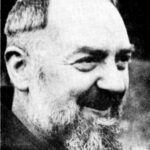
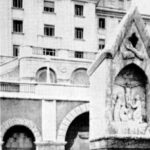

Padre Pio was not a gentle, sentimental grandfather in the confessional. He was famous throughout Italy for an alarming severity: slamming wooden shutters in penitents’ faces, refusing absolution, and shouting at sinners to leave his sight.
Key Findings & Archival Record
- The Phenomenon: Frequent refusal of absolution (an estimated 15% to 20% of first-time penitents were initially dismissed without sacramental forgiveness).
- The Theological Rationale: The clinical application of *salutary shock*: breaking habitual spiritual blindness, false sorrow, and superficial repentance to produce genuine contrition.
- The Return Rate: Over 95% of penitents who were expelled returned days or weeks later with shattered pride, sincere tears, and authentic transformation.
- The Interior Agony: Letters to his director reveal that turning away sinners caused Padre Pio acute physical and interior grief, weeping in his cell for those he had to correct sharply.
1. Scene Lede: The Slamming Shutter
Inside the church of Our Lady of Grace, the sudden *CLANG* of a wooden shutter slamming shut echoed across the stone nave like a pistol shot. Seconds later, a wealthy nobleman or fashionable woman would stumble backward out of the confessional box, cheeks burning with humiliation, tears streaming down their face.
Padre Pio had just shouted through the screen: “Via! Vattene! Leave! Come back when you are truly sorry for your sins!”
To modern observers conditioned by therapeutic comfort, such behavior appears shocking, harsh, and unpastoral. Yet to those who knew Padre Pio, this severity was an act of supreme, desperate love. He refused to give sacramental absolution to souls who were reciting sins like a grocery list, lacking genuine sorrow or the firm resolve to break with occasions of sin.
“Do you think I enjoy treating people like this? If you only knew how much it costs my heart to send a soul away! But if a doctor does not cut deep into the wound, the patient rots and dies.” (Padre Pio to Father Pellegrino)
2. Archival Record: The Anatomy of Salutary Shock
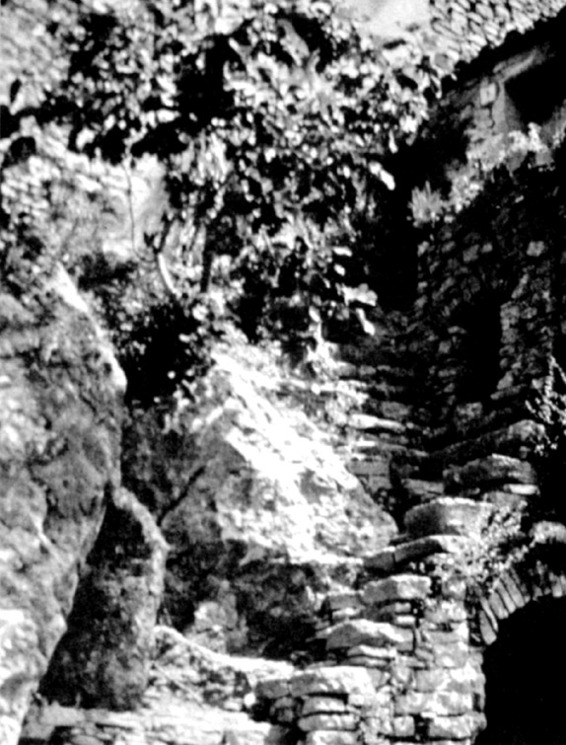
In traditional Catholic moral theology, giving absolution to an unrepentant penitent is a sacrilege that harms the recipient’s soul. Padre Pio, endowed with cardiognosis, saw whether the soul was genuinely detached from sin or merely seeking cheap emotional comfort.
If a man confessed marital infidelity while planning to meet his mistress the following week, or if a merchant confessed dishonest weights while intending to keep cheating customers, Pio refused to speak the words of absolution. By sending them away in shock, he forced them into an agonizing moral crisis.
“They walked the mountain roads weeping. For three days, they could not eat or sleep. When they returned to the confessional, their vanity was dead, their pride was crushed, and they made the confession of their lives.” — Ruffin, Ch. XXI
3. Weeping in Cell No. 1
The severity displayed in public was matched by secret sorrow in private. Friars who lived with Padre Pio testified that when he retired to Cell No. 1 after a day of turning away penitents, he threw himself onto the floor before his crucifix and wept bitterly.
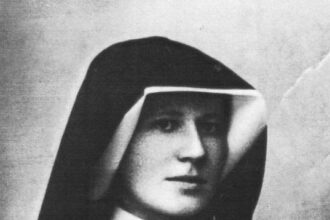
He took upon himself the penances that the sinners were incapable of performing, spending the night in fasting and flagellation so that God would grant them the grace of true contrition.
“I swallow the bitter medicine so that they may have life. I treat them harshly on the outside so that the devil does not snatch them on the inside.” (Epistolario I)
4. Spiritual Discernment: The False Mercy of Compromise
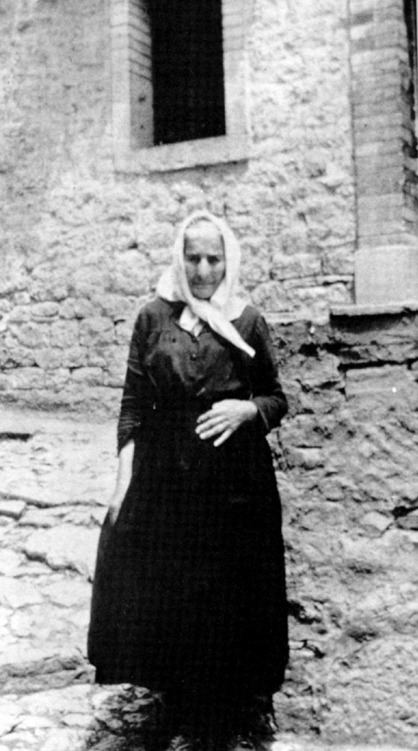
Padre Pio’s tough love exposes the catastrophic error of false compassion. In our modern era, many pastors and counselors confuse love with validation, soothing consciences in the midst of mortal danger. True love cares about eternal destiny, not temporary emotional comfort. A surgeon who cuts away cancer is not cruel; he is saving a life. Padre Pio loved souls too much to let them sleepwalk into eternal ruin.
Archival Bibliography & Primary Sources
- Ruffin, C. Bernard. Padre Pio: The True Story. Our Sunday Visitor, 1982/1991 (Chapter XXI: ‘A Day with Padre Pio’).
- Carty, Rev. Charles Mortimer. Padre Pio the Stigmatist. Radio Replies Press, 1951.
- Zavala, José María. Padre Pío. LibrosLibres, 2010 (Capítulo XXXIX: ‘Confesión a lo Padre Pío’).
- Funicelli, Padre Pellegrino. Padre Pio tra cielo e terra. San Giovanni Rotondo, 1978.
Continue the investigation: Read the next chapter in the series: The Flying Monk of Puglia: Air-Raid Interceptions in World War II →