




Key Findings & Archival Record
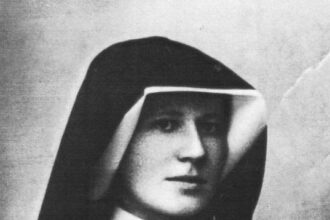
- Source Text: Dictated to Saint Faustina Kowalska across Vilnius and Kraków (1935–1937).
- Theological Structure: 14 distinct covenants regarding the remission of punishment, protection during death, and reconciliation of hardened sinners.
- Primary Guarantee: Standing between the wrath of God and the dying soul as a shield of pure mercy.
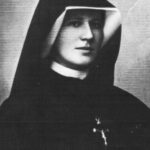
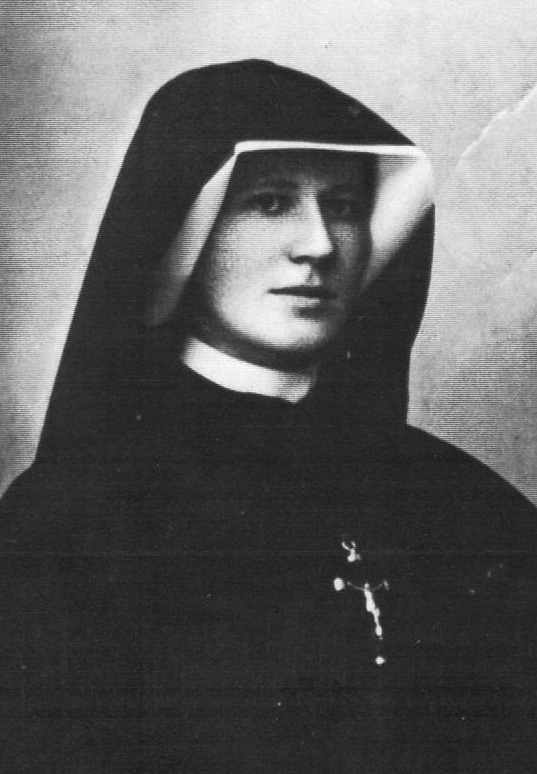
Among the private revelations recorded in Catholic history, few prayers carry as specific a catalogue of divine guarantees as the Chaplet of Divine Mercy. Dictated to an uneducated Polish sister in Vilnius on September 13–14, 1935, following an apocalyptic vision of an angel sent to punish a city, the prayer was revealed not merely as a meditative devotion, but as an emergency spiritual defense system.
Throughout the 1,828 paragraphs of her diary, Sister Faustina documented fourteen distinct, literal promises made by Christ to those who recite this prayer on standard rosary beads. Far from vague metaphors, these guarantees address the most terrifying crises of human existence: physical agony, habitual mortal sin, spiritual despair, and the precise moment of biological death.
The nut graph of the 14 promises exposes the radical generosity of the Divine Mercy economy. Unlike ancient penitential vows requiring severe physical mortification, Christ tied universal spiritual protection to a seven-minute prayer offered with pure trust.
The Four Core Pillars of the Guarantees
A systematic audit of the diary entries organizes the fourteen promises into four primary theological categories:
1. The Shield at the Hour of Death (Entries 687, 811): Christ guaranteed that when the Chaplet is recited beside a dying person, His anger is placated, unfathomable mercy envelops the soul, and He stands between His Father and the dying sinner not as the Just Judge, but as the Merciful Savior.
2. Grace for the Most Hardened Sinners (Entry 1541): In one of the most radical declarations in mystical theology, Jesus told Faustina: “Even if there were a sinner most hardened, if he were to recite this chaplet only once, he would receive grace from My infinite mercy.”
3. Universal Intercessory Power (Entry 1731): “By this chaplet you will obtain everything, if what you ask for is compatible with My will.” The prayer acts as a blank check of spiritual grace, bounded only by the eternal wisdom of God.
4. Pacification of God’s Wrath and Calming of Nature (Entries 811, 1731): In multiple instances, Faustina used the prayer to quell violent storms and avert immediate chastisements threatening Polish cities.

The Condition of Trust: Not a Magic Talisman
Ecclesiastical theologians emphasize that these guarantees do not operate as mechanical magic. Christ explicitly cautioned Faustina that mechanical repetition devoid of interior conversion or trust carries no spiritual weight. The power of the Chaplet lies in its Eucharistic reality: by offering the Body, Blood, Soul, and Divinity of Jesus Christ to the Eternal Father, the believer leans entirely upon the unblemished Sacrifice of Calvary.
Archival Sources & Verification
Kowalska, Maria Faustina. Diary of Saint Maria Faustina Kowalska: Divine Mercy in My Soul. Marian Press, 2005.
Rozycki, Ignacy. The Essential Features of the Devotion to the Divine Mercy. Kraków: Pontifical Academy of Theology, 1978.
Koszarek, Jan. Teologia Koronki do Miłosierdzia Bożego. Poznań: Pallottinum, 1989.