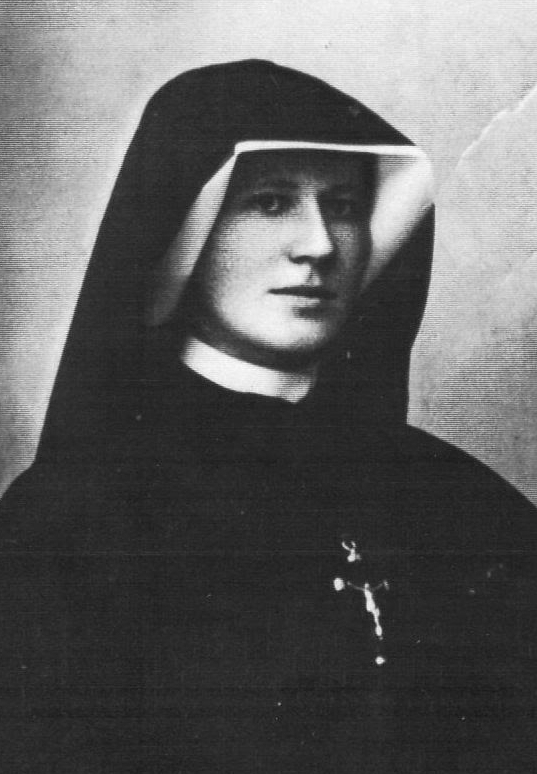

In August 1937, Jesus instructed Sister Faustina to make a special novena beginning on Good Friday and concluding on the eve of Divine Mercy Sunday. Unlike traditional devotional novenas composed by saints, each day’s specific intention was dictated word for word by Christ Himself.
Key Findings & Archival Record
- The Dictation: Recorded in Kraków in August 1937; spans entries 1209 to 1229 of the Diary.
- The Nine Groups: 1) All mankind, especially sinners; 2) Priests and religious; 3) Devout and faithful souls; 4) Pagans and those who do not yet know Christ; 5) Heretics and schismatics; 6) Meek and humble souls, and children; 7) Souls who especially venerate His mercy; 8) Souls in Purgatory; 9) Lukewarm and indifferent souls.
- The Method: Each day, Faustina was commanded to immerse a specific group into the ocean of Christ’s mercy and offer them to the Eternal Father through the Chaplet.
- The Promise: Christ promised that no soul brought into the fountain of His mercy would be refused grace.
1. Scene Lede: The Good Friday Command
As Holy Week approached in 1937, Sister Faustina knelt before the Blessed Sacrament in Kraków. Christ spoke directly into her conscience, commanding her to prepare for the Feast of Mercy through nine days of focused intercession:
“Jesus: ‘On each day of the novena you will bring to My Heart a different group of souls, and you will immerse them in this ocean of My mercy, and I will bring all these souls into the house of My Father.'” (Diary, 1209)
2. Archival Record: The Ninefold Architecture of Intercession
The sequence of the nine days reveals Christ’s pastoral priorities. He begins with universal human misery (Day 1: All mankind and sinners), moves through ecclesiastical shepherds (Day 2: Priests and religious), embraces innocence (Day 6: Little children), descends into purification (Day 8: Souls in Purgatory), and culminates on Day 9 with the group that wounds His Heart most deeply: lukewarm souls.
Concerning lukewarm souls, Christ gave a grave warning: “These souls cause Me more suffering than any others; it was from such souls that My soul felt the most abhorrence in the Garden of Olives… The last hope of salvation for them is to flee to My mercy.” (Diary, 1228).
3. Spiritual Discernment: Praying Beyond Our Personal Needs
Most Christians pray primarily for their own health, family, and financial peace. The Divine Mercy Novena shatters this narrow horizon, forcing the believer to stand in solidarity with atheists, lukewarm believers, priests, and suffering souls in Purgatory.
Institutional Bibliography & Primary Sources
- Kowalska, St. Maria Faustina. Diary: Divine Mercy in My Soul. Stockbridge, MA: Marian Press, 2005. (Entries 1209–1229).
- Marian Fathers of the Immaculate Conception. The Divine Mercy Novena and Chaplet. Stockbridge, MA, 1993.