
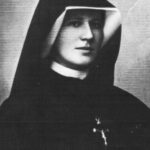
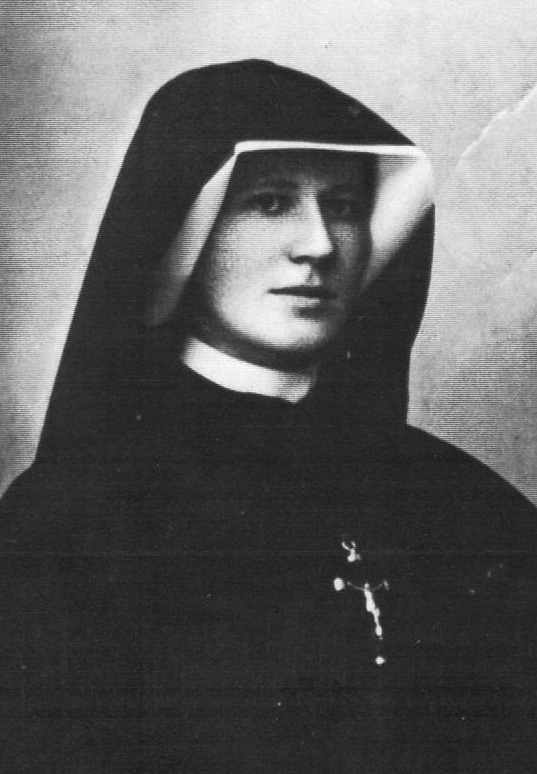

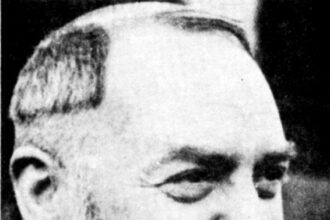
While Father Michał Sopoćko is famous for commissioning the original Divine Mercy painting in Vilnius, another priest played an equally decisive role in Saint Faustina’s life: Father Józef Andrasz, SJ, the wise Kraków confessor who guided her through her final agonies.
Key Findings & Archival Record
- The Person: Rev. Józef Andrasz, SJ (1891–1963), prominent Jesuit writer, editor of the Messenger of the Sacred Heart, and spiritual director.
- The Role in Kraków: Faustina’s confessor during her novitiate (1926–1928) and again during her final two years in Kraków-Łagiewniki (1936–1938).
- The Last Sacraments: Administered the Anointing of the Sick and final Viaticum to Faustina on October 5, 1938, hours before her death.
- The Post-War Apostle: Initiated the solemn monthly Divine Mercy devotions in Łagiewniki during the Nazi occupation, preserving the devotion through World War II.
1. Scene Lede: The Return to Kraków
When Sister Faustina was transferred back to Kraków in May 1936, she was terrified of losing the spiritual safety she had found under Father Sopoćko in Vilnius. She arrived broken in health, dreading that she would meet confessors who would treat her visions as delusions.
Jesus comforted her before her first confession: “Do not fear; I have prepared a director for you in Kraków. You will recognize him immediately.”
When she entered the confessional and heard the calm, authoritative voice of Father Józef Andrasz, her heart was filled with peace. Andrasz listened with profound spiritual discernment, confirmed that her experiences were authentically from God, and ordered her to continue writing her diary with total fidelity.
“Father Andrasz told me: ‘Do not be afraid of anything, Sister; all these matters are truly of God. Continue to write down everything faithfully; it will bring immense glory to God and help countless souls.'” (Diary, 216, 676)
2. Archival Record: The Guardian of the Legacy
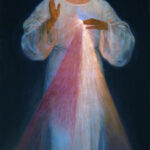
After Faustina’s death, while Father Sopoćko was cut off in Vilnius behind war zones, Father Andrasz kept the flame alive in Kraków. In 1943, he blessed the famous Adolf Hyła Divine Mercy image that now hangs over Faustina’s tomb in Łagiewniki.
He preached relentlessly, printed prayer cards, and guided thousands of souls through the horror of the Holocaust, ensuring that Faustina’s mission did not die with her body.
3. Spiritual Discernment: The Gift of a Holy Director
No mystic in the history of the Church ever navigated spiritual life alone. God always places directors, mentors, and pastors along the path. Submission to wise counsel is the greatest safeguard against spiritual delusion.
Institutional Bibliography & Primary Sources
- Kowalska, St. Maria Faustina. Diary: Divine Mercy in My Soul. Stockbridge, MA: Marian Press, 2005. (Entries 216, 676, 1790).
- Andrasz, Józef, SJ. Spiritual Direction in the Life of Sister Faustina. Kraków: Jesuit Historical Institute, 1958.