

One of the most extraordinary figures in the history of twentieth-century Catholicism was Emanuele Brunatto: a former con man, actor, and worldly rogue whose dramatic conversion at Padre Pio’s confessional transformed him into the friar’s most ferocious defender.
Key Findings & Archival Record
- The Protagonist: Emanuele Brunatto (1892–1965), former theatrical agent and convicted fraudster who traveled to San Giovanni Rotondo in 1919 to mock the friar, underwent radical conversion, and became his first official biographer.
- The Counter-Espionage Operation: Using his vast worldly connections and financial resources, Brunatto infiltrated Vatican circles, uncovered secret correspondence, and acquired evidence of simony and corruption among Padre Pio’s accusers.
- The Paris Publication (1926): Published the explosive investigative book *Padre Pio da Pietrelcina: The Antichrists in the Church of Christ*, printing leaked Vatican letters and forcing Rome to confront the corruption of Archbishop Gagliardi.
- The Papal Impact: Brunatto’s dossiers were delivered directly to Pope Pius XI, breaking the stranglehold of false information that had misled the Holy Office for seven years.
1. Scene Lede: The Sinner at the Grille
In November 1919, a stylish, sharp-dressed twenty-seven-year-old Florentine named Emanuele Brunatto climbed the mountain path to San Giovanni Rotondo. Brunatto had lived in luxury, worked as a cabaret director, served time in prison for financial fraud, and lived by his wits. He viewed Padre Pio as an amusing theatrical curiosity ripe for journalistic exploitation.
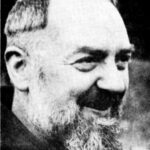
Kneeling before Padre Pio’s confessional with cynical detachment, Brunatto began to speak. Padre Pio cut him off with a piercing gaze, recited Brunatto’s most secret, shameful sins from childhood to adulthood with exact dates and names, and looked at him with profound sorrow:
“Padre Pio looked at me and said: ‘My son, how much you have made our Lord suffer!’ In that instant, my entire life of vanity shattered. I wept like a child, and I arose a completely new man.” (Emanuele Brunatto, Memoirs)
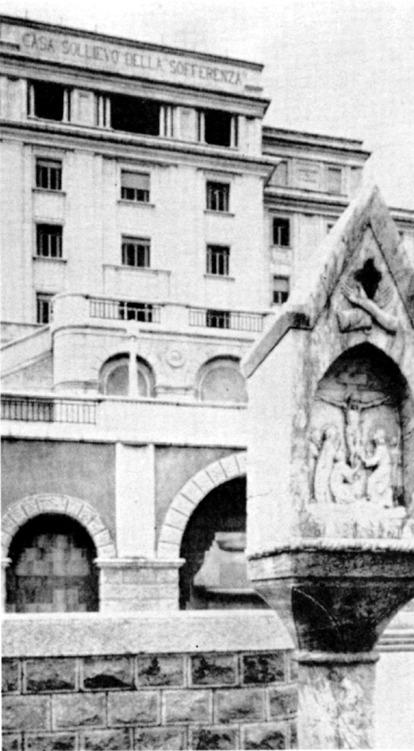
Brunatto gave away his wealth, moved into a cell beside the monastery, and dedicated his life to protecting the friar.
2. Archival Record: The Rogue Turned Investigator
When the Holy Office issued its hostile 1923 decree, Padre Pio obeyed in absolute silence. But Brunatto was not a friar bound by monastic vows; he was a layman with investigative street smarts and unyielding loyalty. Recognizing that Padre Pio would never defend himself, Brunatto became his secret advocate.
Traveling across Italy and France, Brunatto deployed investigative techniques that shocked ecclesiastical officials. He hired private detectives, audited diocesan bank accounts in Manfredonia, tracked clandestine payments between corrupt clerics, and secured photographic copies of confidential letters sent by Archbishop Gagliardi to Roman cardinals.
“Brunatto discovered that the chief accusers of Padre Pio were embezzling parish funds and running illicit financial syndicates. He compiled a master dossier proving that the accusations against Padre Pio were manufactured to silence an uncomfortable mystic.” — Ruffin, Ch. XVII
3. The Paris Dossier of 1926
In 1926, realizing that the Roman curia was suppressing the truth, Brunatto took the ultimate risk: he fled to Paris and published a devastating book titled *The Antichrists in the Church of Christ*. The book reproduced official church documents, banking receipts, and medical affidavits, exposing the ecclesiastical corruption surrounding the Padre Pio case.
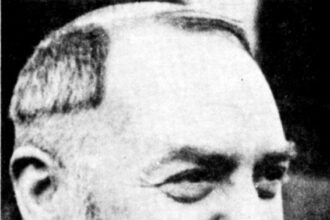
“Brunatto delivered a numbered copy of the dossier directly into the hands of Pope Pius XI. The evidence was so undeniable that the Pope immediately initiated the apostolic investigation that led to Archbishop Gagliardi’s removal.” (Zavala, Ch. XVIII)
4. Spiritual Discernment: God Uses the Unlikely
God does not always choose conventional instruments to defend His saints. St. Paul was a violent persecutor; Emanuele Brunatto was a disgraced con man. Yet transformed by grace, Brunatto’s worldly cunning was sanctified into a weapon of justice that pierced curial bureaucracy. His life proves that no past sin is beyond redemption, and that God often recruits the most unlikely champions to fight for the truth.
Archival Bibliography & Primary Sources
- Brunatto, Emanuele. Padre Pio da Pietrelcina: La Verità. Paris: Éditions Saint-Michel, 1926.
- Ruffin, C. Bernard. Padre Pio: The True Story. Our Sunday Visitor, 1982/1991 (Chapter XVII: ‘A Little Light in the Thicket’).
- Brunatto, Emanuele. Memorie di un peccatore convertito da Padre Pio. San Giovanni Rotondo, 1963.
- Zavala, José María. Padre Pío. LibrosLibres, 2010.
Continue the investigation: Read the next chapter in the series: The Silence of the Cell (June 1931 – July 1933): Two Years of House Arrest →