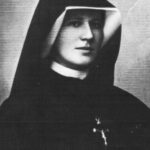
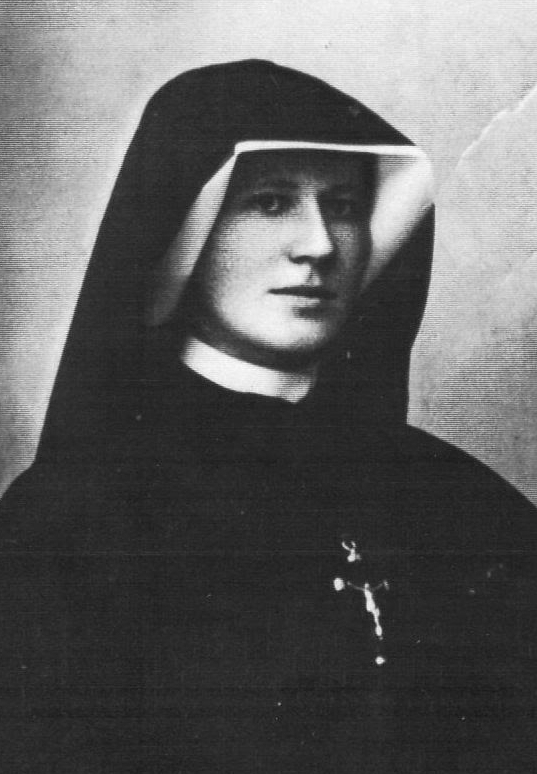

On the evening of February 22, 1931, in the very first apparition recorded in her diary, Sister Maria Faustina Kowalska received a command that bewildered Catholic theologians for nearly seven decades. Christ did not merely ask for a painting; He demanded the establishment of a formal, universal liturgical feast on the First Sunday after Easter. He attached to that specific Sunday an astonishing covenant: the total remission of all sins and all temporal punishment, an interior reset so profound that theological commissioners later likened its sacramental effect to a second baptism.
Key Findings & Archival Record
- Liturgical Date: The Second Sunday of Easter (Octave Day of Easter), universally instituted on April 30, 2000, by Pope John Paul II.
- The Promise of Diary 699: “The soul that will go to Confession and receive Holy Communion shall obtain complete forgiveness of sins and punishment.”
- Theological Investigation: Led by Father Ignacy Różycki, Doctor of Dogmatic Theology, appointed by Cardinal Karol Wojtyła to examine Faustina’s claims for the Holy See.
- Difference from Plenary Indulgence: A standard plenary indulgence requires total detachment from all sin (including venial sin); the grace of Mercy Sunday is an unmediated sacramental floodgate granted through Holy Communion received in a state of grace with total trust.
1. Scene Lede: The Mandate in the Płock Darkness
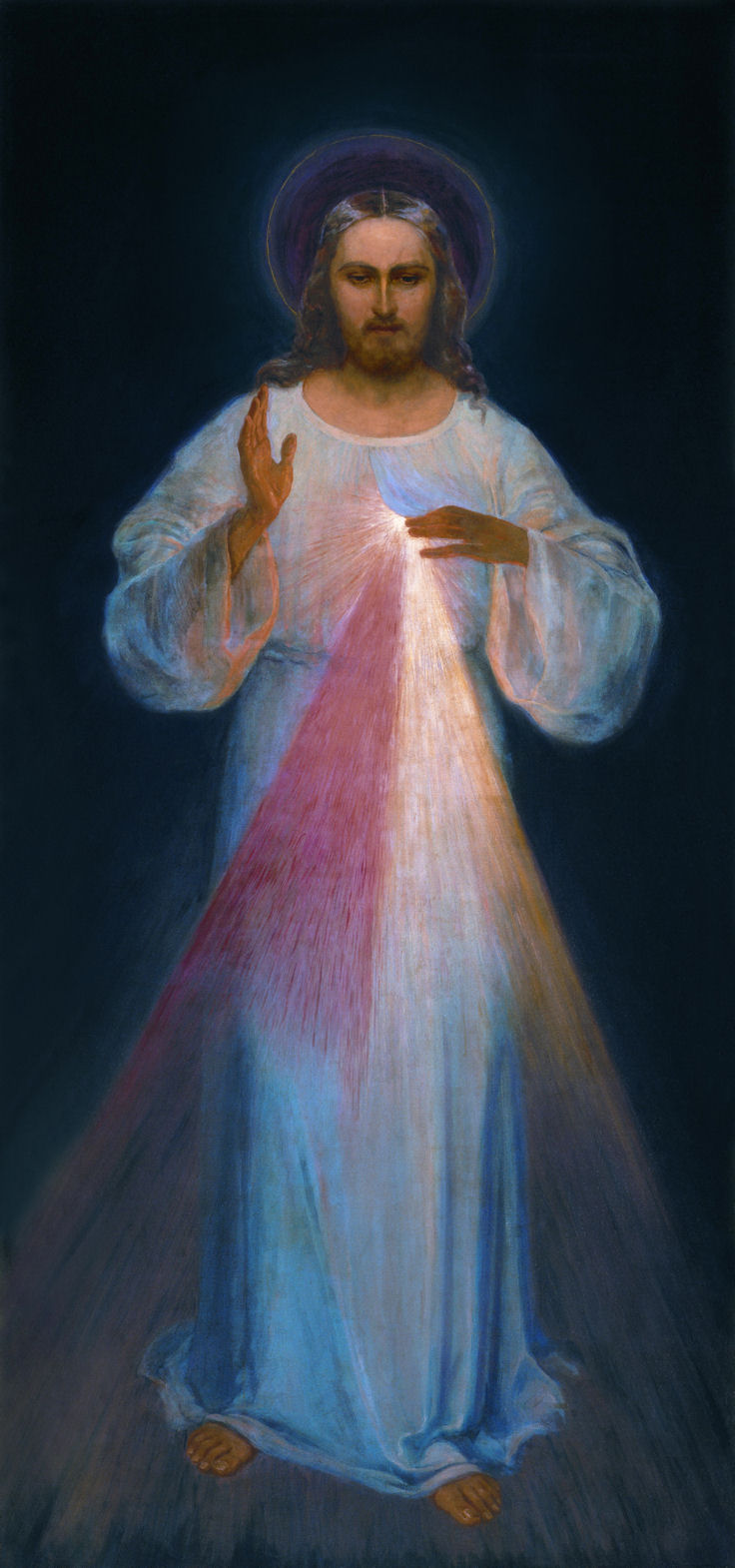
When Christ appeared to twenty-five-year-old Faustina in her convent cell in Płock in February 1931, her immediate focus was the visual spectacle of the white tunic and the Two Rays of Blood and Water. But as recorded in Diary entry 49, Christ followed His command to paint the image with an explicit liturgical decree:
To Faustina’s superiors and confessors, this sounded like outright canonical blasphemy. The Octave Day of Easter (historically known as Low Sunday or Dominica in Albis) was one of the most sacred dates on the Roman Catholic liturgical calendar. It commemorated the resurrection appearances of Christ to the Apostles and the white robes worn by newly baptized catechumens. For an uneducated nun to claim that Christ wanted the Church to re-title this ancient Sunday as the “Feast of Mercy” seemed preposterous.
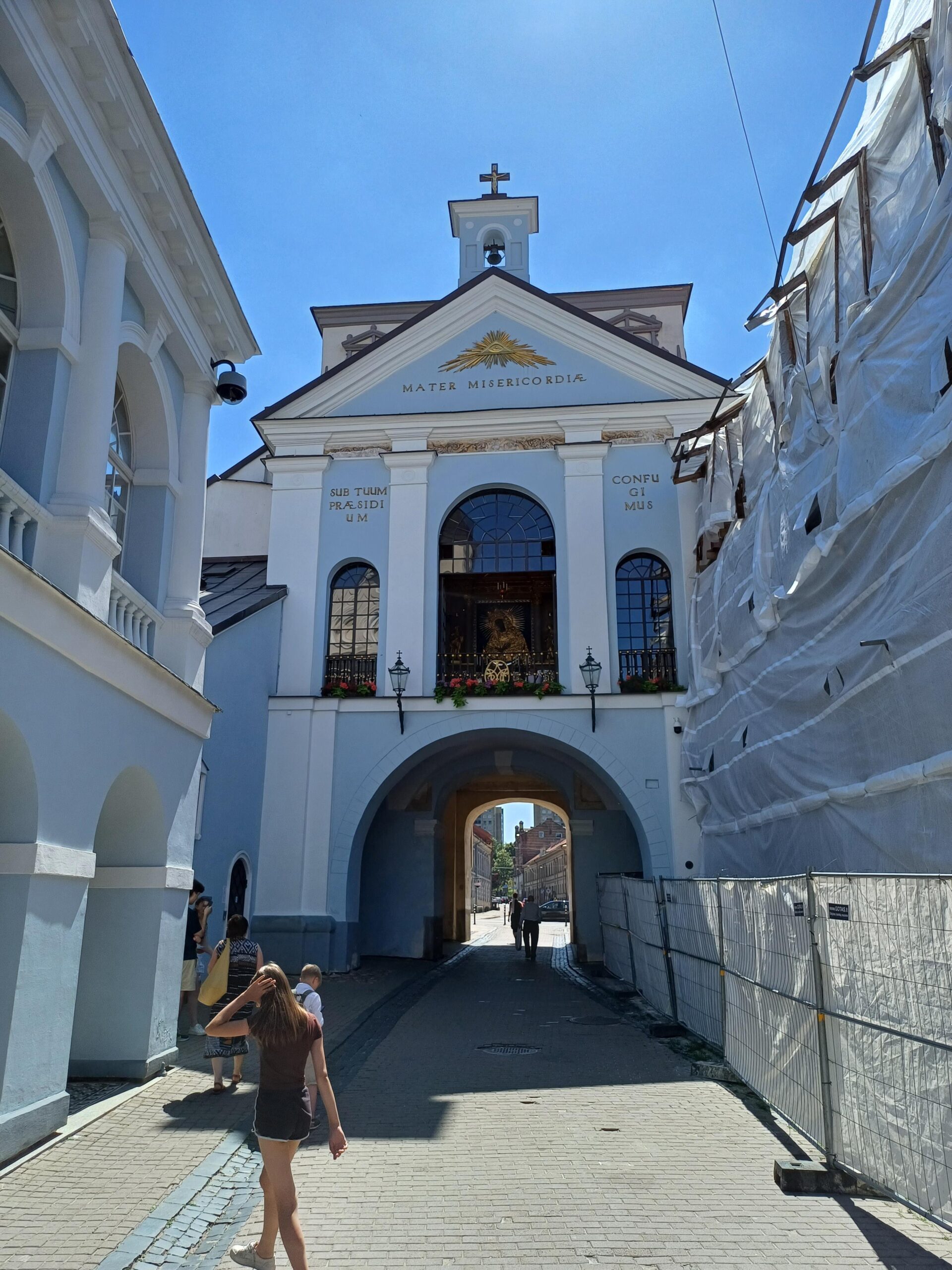
Yet four years later, in April 1935, Father Michał Sopoćko engineered the very first public exhibition of the Vilnius image at Ostra Brama, precisely on the First Sunday after Easter, fulfilling the prophetic timeline without the local bishop even realizing what was taking place.
2. Archival Record: The Full Scope of the Promise in Entry 699
The definitive theological description of the Feast was dictated to Faustina in Kraków in 1936, recorded in Diary entry 699. This single entry is widely considered by Mariologists and theologians to be the most critical paragraph in her entire 437-page spiritual diary:
The nut graph of Diary 699 introduces a theological distinction that stunned canonical experts. Standard Catholic doctrine teaches that when a person goes to confession, the eternal guilt of mortal sin is wiped away, but the “temporal punishment” (the temporal debt and attachment to sin requiring purification in Purgatory) remains. On Mercy Sunday, Christ promises to erase both guilt and punishment simultaneously.
3. Father Różycki’s Breakthrough: A Second Baptism
When Cardinal Karol Wojtyła (the future Pope John Paul II) opened the informational process for Faustina’s beatification in Kraków in 1965, he tasked Father Ignacy Różycki—a renowned professor of dogmatics—with evaluating her notebooks. Różycki spent over a decade analyzing Faustina’s Polish grammar, scripture citations, and theological assertions.
Różycki initially suspected that Faustina’s promise of “complete forgiveness of sins and punishment” was an exaggerated misstatement of a standard plenary indulgence. But upon rigorous analysis, Różycki concluded that the grace of Mercy Sunday is substantively greater than a plenary indulgence:
1. The Humanly Impossible Condition of Indulgences: Under canon law, a plenary indulgence requires the penitent to be completely detached from all sin, even venial sin. If an individual harbors even a slight affection for a minor fault, the indulgence becomes merely partial.
2. The Sovereign Grace of Mercy Sunday: The grace promised in Diary 699 is not an ecclesiastical indulgence; it is a direct sacramental promise made by Christ Himself. It requires only sincere repentance, a sacramental confession (made on or shortly before the day), and Holy Communion received with pure trust in Jesus. In Różycki’s definitive theological report, he concluded that this grace restores the soul to the pristine purity of its initial Baptism.
4. Common Practical Misconceptions Debunked
Pastors and lay faithful frequently misunderstand the practical logistics of Divine Mercy Sunday:
Misconception 1: “I must go to confession on the Sunday itself.”
False. With millions attending parish churches on Mercy Sunday, hearing every confession on Sunday morning is physically impossible for parish priests. The Church and theological directors have clarified that any confession made during Lent or within the weeks preceding Mercy Sunday is completely valid, provided the soul remains in a state of grace (free from mortal sin) when receiving Holy Communion on the feast.
Misconception 2: “It is a celebration only for Catholics.”
False. In Diary entry 699, Christ states: “My desire is that the Feast of Mercy be a refuge and shelter for all souls, and especially for poor sinners.” It is a universal invitation extended to humanity at the edge of the abyss.
5. Spiritual Reality & Discernment: Stepping Through the Floodgates
The core message of the Feast of Mercy is that God’s mercy is greater than the sum total of human misery. No matter how deep your failures, how long you have been absent from church, or how heavy the burden of hidden guilt you carry, Mercy Sunday offers a complete, unconditional spiritual rebirth.
As you prepare for this feast or reflect upon its significance in your spiritual journey, remember the three simple steps: turn away from sin in sincere repentance, approach the altar to receive the Living Bread in Holy Communion, and whisper from the depths of your heart: “Jesus, I trust in You.”
Institutional Bibliography & Archival Records
Kowalska, Saint Maria Faustina. Diary: Divine Mercy in My Soul. Stockbridge, MA: Marian Press, 2005. Entries 49, 699, 1109.
Różycki, Rev. Ignacy. The Essential Features of the Devotion to the Divine Mercy: Canonical Analysis. Kraków: Pontifical Academy of Theology, 1978.
John Paul II. Homily on the Canonization of Saint Maria Faustina Kowalska. Rome: April 30, 2000.
Apostolic Penitentiary. Decree on the Indulgences Attached to Devotions in Honor of the Divine Mercy. Rome: June 29, 2002.