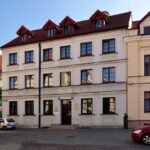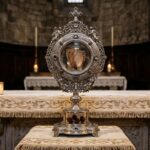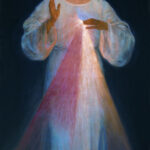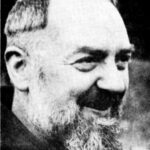
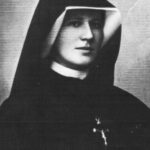

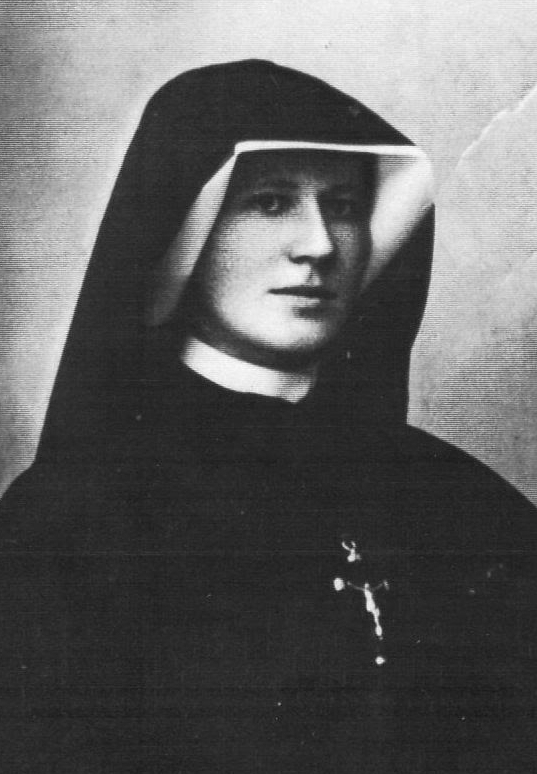
In the summer of 1938, in the final weeks of her earthly life, Sister Maria Faustina Kowalska dipped her steel pen into an inkwell inside the Kraków-Łagiewniki convent and transcribed one of the most enigmatic prophetic declarations in Christian history. Recorded in paragraph 1732 of her spiritual diary, Christ spoke directly of her native land: “I bear a special love for Poland, and if she will be obedient to My will, I will exalt her in might and holiness. From her will come forth the spark that will prepare the world for My final coming.” For decades, commentators wondered whether this mysterious ‘spark’ was a political event, a spiritual movement, or a single human being who would bridge the abyss between World War II and the dawn of the third millennium.
Key Findings & Archival Record
- Historical Source: Dictated in Kraków, mid-1938; recorded in Diary, paragraph 1732.
- The Prophetic Words: “From Poland will come forth the spark that will prepare the world for My final coming.”
- Eschatological Context: Part of a recurring theme throughout Faustina’s notebooks establishing Divine Mercy as the ultimate ark of refuge deployed before the Day of Justice.
- Historical Fulfillment: The election of Karol Wojtyła as Pope John Paul II in 1978, who authored the encyclical Dives in Misericordia, beatified and canonized Faustina, and universally instituted Divine Mercy Sunday.
1. Scene Lede: The Deathbed Window in Łagiewniki
By July 1938, thirty-two-year-old Sister Maria Faustina Kowalska was coughing up blood daily. Her lungs were hollowed out by advanced tuberculosis, and her digestive tract was in constant agony. Sitting by the window of her convent cell overlooking the fruit trees of Łagiewniki, she watched the gathering clouds over Central Europe. Across the border in Germany, the Nazi war machine was finalizing plans for the invasion of Poland. To the east, the Soviet Union was purging Christians and expanding its Gulag archipelago.
In this atmosphere of impending doom, Jesus did not speak of military weapons or political alliances. He spoke of a divine spark. In entry 1732, Faustina recorded the extraordinary national and planetary prophecy:
The nut graph of the “Spark from Poland” places the Divine Mercy revelation into its true eschatological framework. Divine Mercy is not a pious novelty or an optional devotion; it is God’s final strategic appeal to mankind before the close of redemptive history. Christ opens the floodgates of mercy precisely because the day of unmitigated divine justice is drawing near.
2. The Historical Identity of the Spark: Karol Wojtyła
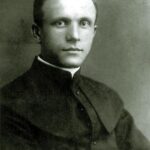
When Cardinal Karol Wojtyła was elected Bishop of Rome on October 16, 1978, following the historic lifting of the Holy Office ban earlier that year, Polish bishops and theologians immediately recognized the fulfillment of paragraph 1732.
John Paul II’s entire pontificate was defined by this charism. In November 1980, he published his second papal encyclical, Dives in Misericordia (Rich in Mercy), providing the magisterial theological architecture for Faustina’s revelations. In 1993, he beatified Faustina in Saint Peter’s Square. In 1997, visiting Faustina’s tomb in Kraków-Łagiewniki, the Pope openly declared his personal identity with her mission:
Finally, on April 30, 2000, John Paul II canonized Faustina as the first saint of the Great Jubilee and officially instituted Divine Mercy Sunday for the universal Roman Rite. The spark had detonated into a worldwide firestorm.
3. The Two Doors of Redemptive History: Entry 1146
To misunderstand the Spark from Poland as secular nationalism is to miss its biblical reality. Christ explicitly tethered this prophecy to the doctrine of the Second Coming. In entry 1146, Christ delivered an ultimatum that defines the current historical era:
Here Christ introduces the doctrine of the Two Doors: “He who refuses to pass through the door of My mercy must pass through the door of My justice.” (Diary, 1146). The current era of history is the era of mercy, a prolonged season of divine patience. But that door will not remain open indefinitely.
4. Spiritual Reality & Discernment: Preparing for the Return
As we prepare to examine the saint’s final hours in our next study on the Death of Saint Faustina on October 5, 1938, the prophecy of the Spark summons every believer out of spiritual complacency.
Three Axioms for the Modern Believer
1. Mercy is Urgency, Not Permission: Do not treat divine mercy as an excuse to delay repentance. The fact that the door of mercy is wide open today means that the door of justice is approaching. Repent while the hour of grace lasts.
2. Wield the Chaplet for the World: As taught in the vision of the Angel of Wrath, your daily recitation of the Chaplet holds back the tide of global chaos.
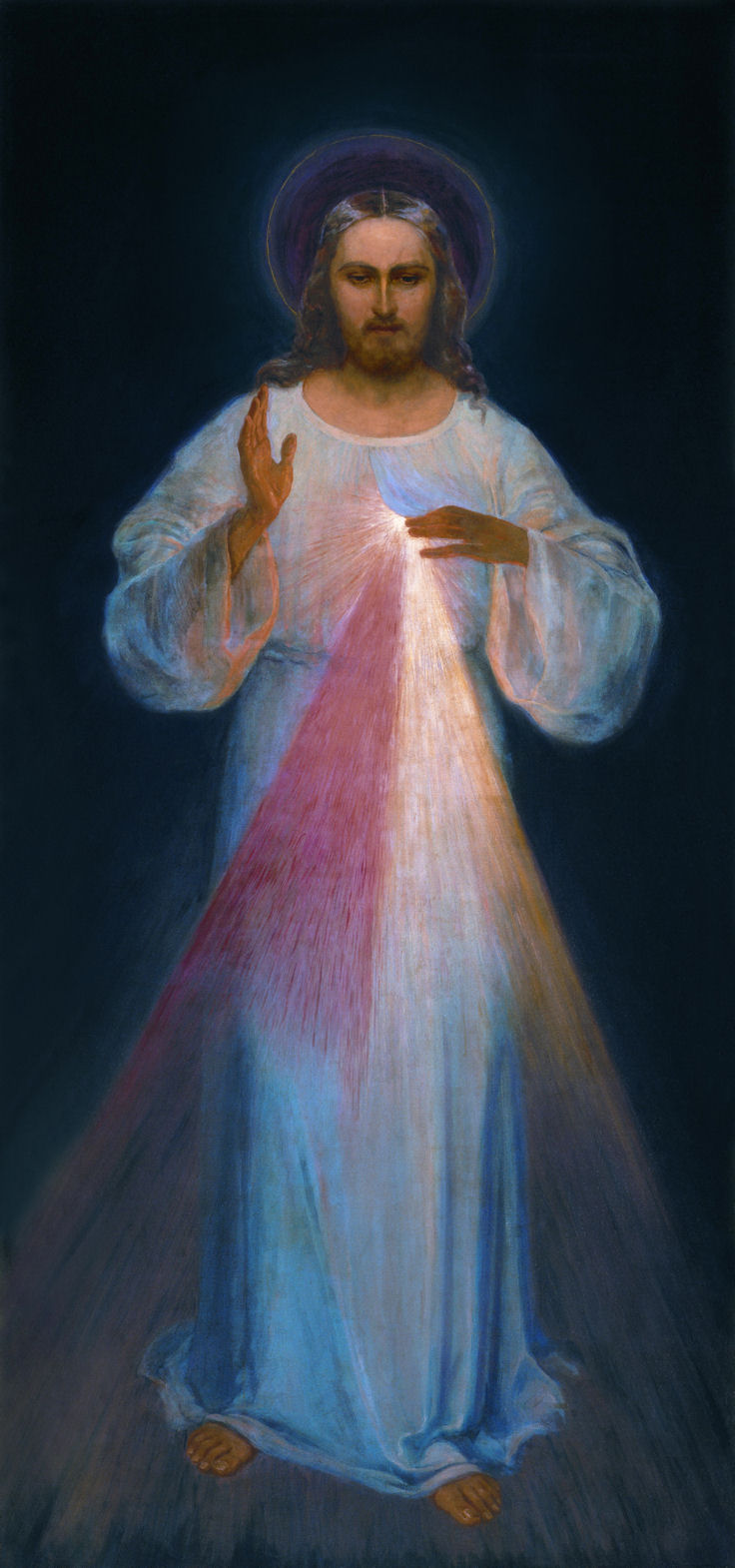
3. Become a Transmitter of the Spark: Pope John Paul II insisted that every Christian is called to be an apostle of Divine Mercy. Pass on the image, teach the 3:00 PM prayer, and practice deeds of concrete charity in your neighborhood.
Institutional Bibliography & Archival Records
Kowalska, Saint Maria Faustina. Diary: Divine Mercy in My Soul. Stockbridge, MA: Marian Press, 2005. Entries 83, 1146, 1732.
John Paul II. Encyclical Letter: Dives in Misericordia. Vatican City: Libreria Editrice Vaticana, 1980.
Weigel, George. The End and the Beginning: Pope John Paul II—The Victory of Freedom, the Last Years, the Legacy. New York: Doubleday, 2010.
Garrigou-Lagrange, Rev. Réginald. The Mother of the Saviour and Our Interior Life. Dublin: Golden Eagle Books, 1948.