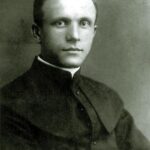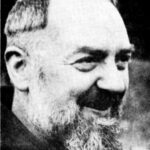
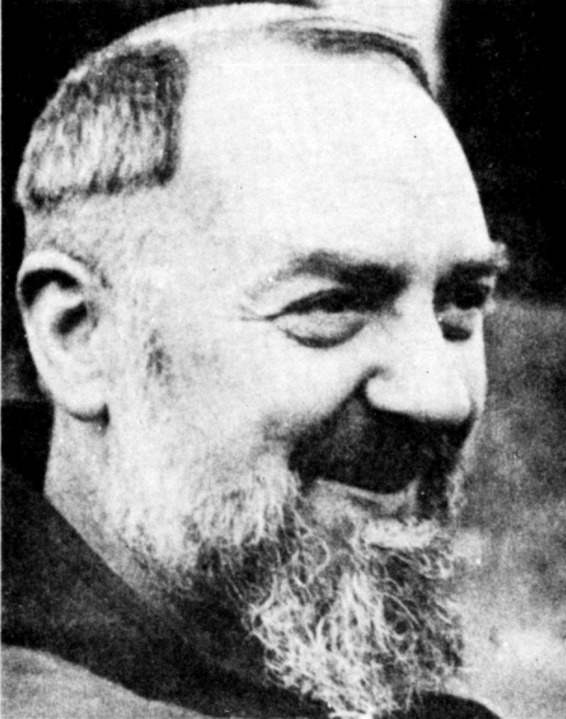

In the winter of 1903, fifteen-year-old Brother Pio entered the Capuchin novitiate at Morcone. Within weeks, the monastery infirmary became the scene of a biological phenomenon that baffled regional physicians: fevers that shattered clinical instruments and defied mortal survival thresholds.
Key Findings & Archival Record
- Capuchin Clothing: Francesco received the coarse brown wool habit and the name Brother Pio of Pietrelcina on January 6, 1903, at the Friary of Morcone.
- Extreme Hyperthermia: Experiencing acute burning attacks, clinical oral thermometers regularly burst in his mouth. Attending physicians had to employ industrial bath thermometers capable of registering up to 50°C.
- Documented Readings: Temperatures verified by Dr. Andrea Cardone and friary medical staff consistently recorded 48°C (118.4°F) and 48.5°C; medically, brain death occurs above 42°C (107.6°F).
- Absence of Cellular Collapse: Despite blistering internal heat, Brother Pio remained conscious, lucid, and without tissue damage, describing the heat as a “flame of divine love burning in the bones.”
1. Scene Lede: The Burst Glass at Morcone
The Capuchin novitiate at Morcone was famous throughout Southern Italy for its uncompromising rigor. The novices went barefoot in sandals through unheated stone corridors; they fasted for months on meager vegetable broths; and they were awakened at midnight for the choral recitation of the Divine Office. For Brother Pio, however, the primary trial came not from external cold, but from an interior furnace.
Beginning in his first novitiate year, Pio was struck by sudden, paralyzing illness. His cheeks turned crimson; his pulse raced beyond readable counts; and sweat poured from his brow in streams. When the friary doctor placed a standard mercury thermometer under the young novice’s tongue, the mercury surged instantly to the top tube limit of 42°C (107.6°F) and exploded the glass tip with an audible snap.
Frustrated and skeptical, attending physicians assumed the boy was somehow manipulating the instruments or dipping the bulb into boiling water. To eliminate deception, doctors brought heavy-duty water and bath thermometers used in municipal hospitals.
“The doctor placed a bath thermometer under his armpit. Within three minutes, the column rose to forty-eight degrees Celsius [118.4°F]. The physician looked in terror, convinced the young friar was dying before his eyes.” (Ruffin, Ch. III)
2. Archival Record: Dr. Cardone’s Diagnosis
The Forgione family physician, Dr. Andrea Cardone of Pietrelcina, spent years monitoring the young friar. Medical science teaches that prolonged human body temperature above 42°C results in the irreversible denaturation of cellular proteins, brain damage, and rapid death.
Yet Brother Pio did not die. During these hyperthermic spikes, his mental faculties remained completely clear. He conversed with his novice master, recited the Rosary, and asked to receive Holy Communion. Within twenty-four hours, the fever would plunge back to 36.8°C with equal suddenness, leaving him merely weak from fasting.
Dr. Cardone, who was an observant Roman Catholic but a clinical skeptic, recorded in his medical logs that the phenomena could not be classified under any known pathology:
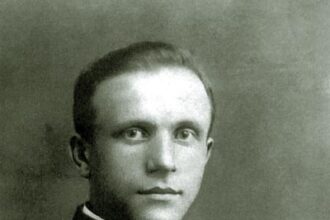
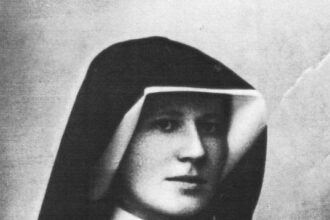
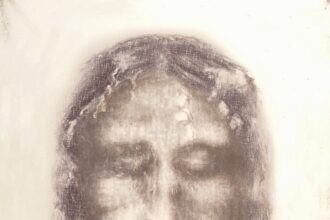
“This is neither typhoid, malaria, nor pulmonary tuberculosis. His constitution should have succumbed within twenty minutes of such temperature. There is an organic mystery operating here that medicine cannot diagnose.” — Dr. Andrea Cardone
3. The Mystic’s Interior Fire
While doctors hunted for clinical explanations, Brother Pio revealed the true nature of his condition in letters to his spiritual father, Father Agostino of San Marco in Lamis. The physical heat was the outward biological reflection of the mystical *incendium amoris* (fire of divine love) described by Saint John of the Cross and Saint Teresa of Ávila:
“A fire burns inside my chest that cannot be extinguished. It consumes me without burning away my flesh… It is a sweet yet terrifying martyrdom.” (Epistolario I, 298)
4. Spiritual Discernment: The Vessel Being Tempered
The severe trials of the novitiate reveal that divine preparation is radical. Before Brother Pio could receive the visible stigmata on Mount Gargano and spend fifty years carrying the sins of millions, his physical vessel had to be tempered in the crucible of suffering. For believers today confronting unexplainable chronic illness or pain, Pio’s early life stands as proof that God often allows bodily weakness to dismantle human pride and manifest supernatural grace.
Archival Bibliography & Primary Sources
- Ruffin, C. Bernard. Padre Pio: The True Story. Our Sunday Visitor, 1982/1991 (Chapter III: ‘An Example to All’).
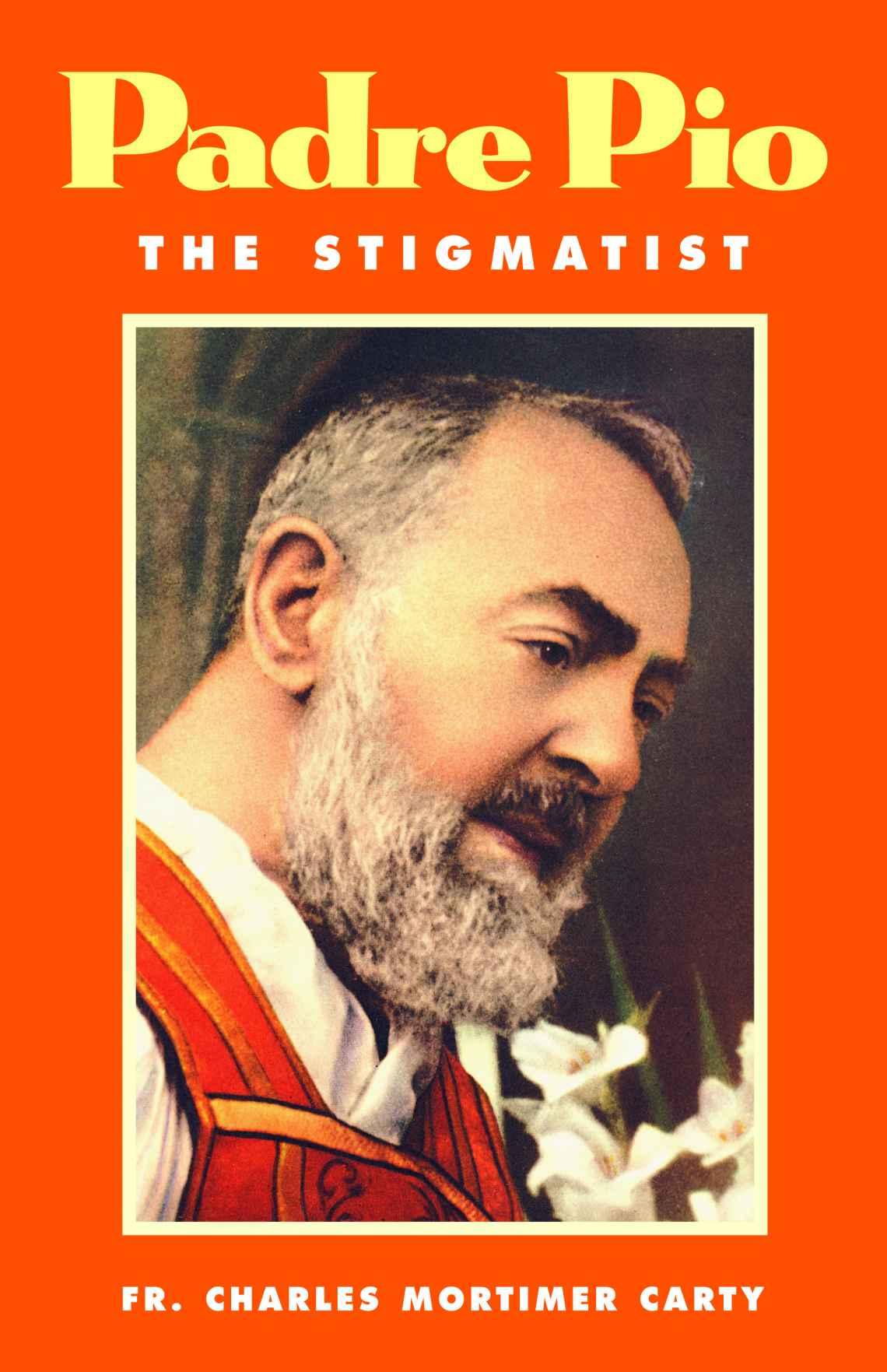
- Carty, Rev. Charles Mortimer. Padre Pio the Stigmatist. TAN Books, 1951 (Chapter I & XI).
- da Pobladura, Melchiorre, ed. Epistolario I: Corrispondenza con i direttori spirituali. San Giovanni Rotondo, 1984.
- Festa, Dr. Giorgio. Misteri di Scienza e Luci di Fede: Le Stimmate di Padre Pio da Pietrelcina. Rome: Ferri, 1938.
Continue the investigation: Read the next chapter in the series: The Venafro Phenomenon (1911): Twenty-One Days on the Edge of Death →