

Key Findings & Archival Record
- Liturgical Date: The Second Sunday of Easter (Octave Day of Easter), instituted globally on April 30, 2000.
- The Promise of Diary 699: “The soul that will go to Confession and receive Holy Communion shall obtain complete forgiveness of sins and punishment.”
- Theological Classification: Fr. Ignacy Różycki established that this specific promise surpasses a standard plenary indulgence, resembling a second baptism in sacramental effect.
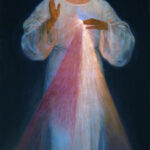
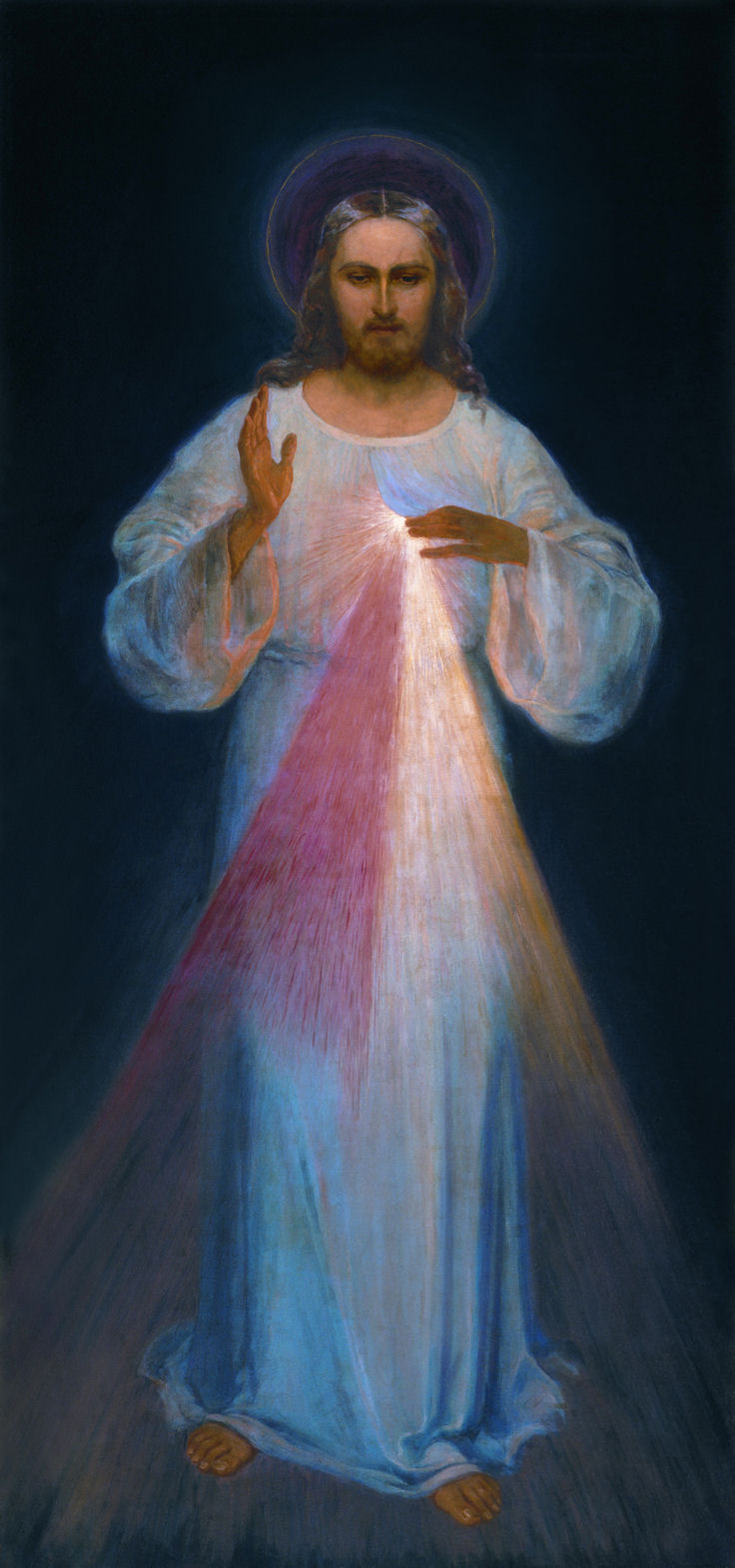
Every year on the Second Sunday of Easter, millions of Catholics around the globe pack churches to participate in Divine Mercy Sunday. Yet beneath the banners of the Vilnius painting and the recitation of the Chaplet lies a theological promise so extraordinary that it puzzled Vatican canonists for decades. In Diary entry 699, Christ made a guarantee that has no exact equivalent in ordinary liturgical law: the total erasure of all sins and all temporal punishment due to sin.
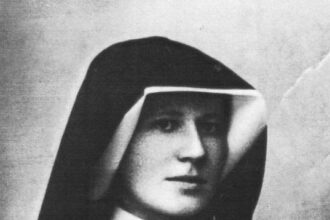
To understand the magnitude of this promise, one must examine the rigorous theological study commissioned by the Holy See during Faustina’s beatification process. Cardinal Karol Wojtyła entrusted the analysis to Father Ignacy Różycki, a world-renowned dogmatic theologian who initially approached Faustina’s diary with severe academic skepticism.
The nut graph of Divine Mercy Sunday is that it offers what the Church calls a “second baptism” in its restorative power. While standard confession absolves the guilt of mortal sin, it typically leaves behind the temporal punishment (the spiritual debt requiring purgation). On Mercy Sunday, Christ promises to obliterate both guilt and debt completely.
Różycki’s Breakthrough: Surpassing the Plenary Indulgence
Father Różycki’s 500-page theological dissertation to the Vatican established a critical distinction. A standard canonical plenary indulgence requires total detachment from all sin, even venial sin, a psychological condition extremely difficult for ordinary human beings to attain. If that detachment is incomplete, the indulgence is only partial.
By contrast, the grace promised by Christ in Diary 699 is tied directly to the Sacraments of Reconciliation and the Eucharist received on or in preparation for the Feast with pure trust. It is an act of sovereign divine prerogative, not an ecclesiastical indulgence. Christ opens all the floodgates of heaven, wiping the slate completely clean for any soul that approaches in repentance.
Practical Requirements for Mercy Sunday
To receive the full grace of this feast, the Church and Faustina outline four simple steps:
1. Celebrate the Feast on the Second Sunday of Easter.
2. Sincere repentance for all sins.
3. Go to Confession (either during Lent or near the feast) and remain in a state of grace.
4. Receive Holy Communion on the day of the Feast with total trust in Jesus.
Archival Sources & Verification
Różycki, Ignacy. Nabożeństwo do Miłosierdzia Bożego: Studium Teologiczne. Kraków: Wydawnictwo Diecezjalne, 1999.
Kowalska, Maria Faustina. Diary: Divine Mercy in My Soul. Stockbridge, MA: Marian Press, 2005.
John Paul II. Homily for the Canonization of Saint Maria Faustina Kowalska. Rome: April 30, 2000.