
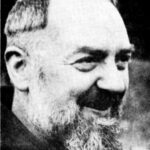

In August 1923, Roman authorities ordered the secret nighttime deportation of Padre Pio to an undisclosed friary. What Rome did not anticipate was the fierce loyalty of the mountain peasants of Mount Gargano, who took up arms to defend their friar.
Key Findings & Archival Record
- The Secret Directive: Holy Office and Capuchin General Curia order for Padre Pio’s immediate transfer to the remote friary of Ancona, scheduled for the dead of night on August 10, 1923.
- Civil Resistance: Mayor Francesco Morcaldi, backed by World War I veteran leagues and thousands of armed citizens, placed armed sentries on all mountain roads and around the convent walls.
- The Friar’s Appeal: Dismayed by the prospect of bloodshed, Padre Pio appeared at the friary window and wrote an emotional public letter begging the citizens for calm and peace.
- The Vatican Retreat: The Italian Ministry of the Interior warned the Vatican that executing the transfer would trigger an armed insurrection and bloodbath; Rome backed down and suspended the removal order.
1. Scene Lede: The Warning Bells on Mount Gargano
In the suffocating August heat of 1923, the citizens of San Giovanni Rotondo discovered that an automobile had arrived from Rome to transport Padre Pio away in secret. The townspeople were rugged, battle-hardened veterans of the Alpine trenches of World War I. To them, Padre Pio was not a theological curiosity; he was the spiritual father who had healed their wounded and prayed their sons through the war.
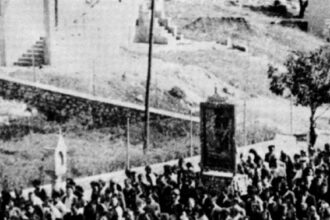
At midnight on August 8, the bells of the municipal hall began to toll violently in reverse, the traditional signal of civil emergency. Within thirty minutes, hundreds of men armed with hunting rifles, scythes, and heavy sticks surrounded the convent of Our Lady of Grace.
Mayor Francesco Morcaldi, a charismatic local leader, took control of the mountain. Barricades made of overturned carts and limestone boulders were erected across the donkey paths leading down to Foggia. The town council passed a unanimous resolution: *Padre Pio will leave San Giovanni Rotondo only over our dead bodies.*
2. Archival Record: The Friar at the Window
Inside the cloister, the friars were terrified. The Capuchin provincial delegate who had arrived to execute the transfer order huddled in the parlor, hearing the angry shouts of thousands outside: “Viva Padre Pio! Down with the traitors of Rome!”
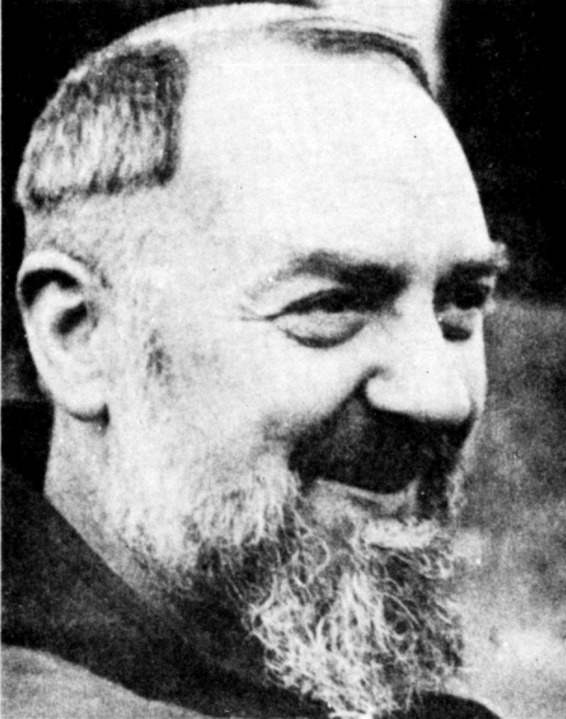
Padre Pio was heartbroken. The last thing he desired was violence or rebellion carried out in his name. Stepping out onto the small stone terrace above the church courtyard, he raised his bandaged hands over the armed crowd. The roaring multitude fell instantly silent.
“My children, for the love of God and the Virgin Mary, put down your arms and do not commit violence! I am a son of obedience; wherever my superiors send me, I must go. Pray for me, but do not stain your hands with blood.” (Padre Pio to the Crowd, August 1923)
The crowd wept, but they refused to dismantle the barricades. To appease the town, Padre Pio penned a formal public letter to the citizens on August 12, 1923:
“I will never forget this people of San Giovanni Rotondo, whom I carry carved into my heart… I pray that God blesses you and that peace reigns in your families.” — Padre Pio, Public Letter, August 1923
3. The Telegram to the Minister of the Interior
The standoff escalated to the highest levels of the Italian government. The Prefect of Foggia sent an urgent encrypted telegram to the Ministry of the Interior in Rome, warning that attempting to remove Padre Pio with Carabinieri would require a regiment of soldiers and result in dozens of civilian deaths.
Realizing the catastrophic public relations disaster that would ensue, the Holy Office and the Capuchin General Curia rescinded the transfer order. The delegates slipped away under police escort, and Padre Pio remained in his cell.
4. Spiritual Discernment: Peasant Intuition vs. Curial Politics
The barricades of 1923 highlight an enduring gospel dynamic: what is hidden from the sophisticated and prudent is revealed to the simple. The illiterate shepherds and stonecutters of Mount Gargano recognized the authentic holiness of Padre Pio long before Roman commissions conceded it. Yet even in the face of passionate defense, Pio’s heart remained anchored in peace, demonstrating that authentic spiritual leadership never inflames mob passion, but disarms it with love.
Archival Bibliography & Primary Sources
- Ruffin, C. Bernard. Padre Pio: The True Story. Our Sunday Visitor, 1982/1991 (Chapter XVI: ‘The Light of the Gargano’).
- Morcaldi, Francesco. Memorie storiche di San Giovanni Rotondo durante gli eventi del Padre Pio. Foggia, 1953.
- Archivio Centrale dello Stato. Relazioni della Prefettura di Foggia sul caso Padre Pio. Rome, 1923.
- Carty, Rev. Charles Mortimer. Padre Pio the Stigmatist. Radio Replies Press, 1951.
Continue the investigation: Read the next chapter in the series: The Defender in the Shadows: Emanuele Brunatto’s Vatican Exposé →