

Key Findings & Archival Record
- Physical Pathology: Severe pulmonary and alimentary tuberculosis from 1936 to 1938 at Prądnik Sanatorium, Kraków.
- Mystical Doctrine: Redemptive co-suffering with Christ; viewing bodily agony not as divine punishment, but as sacrificial currency.
- Spiritual Fruit: Documented remote conversions of hardened sinners at the exact moments of her acute physical crises.
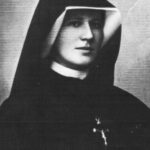
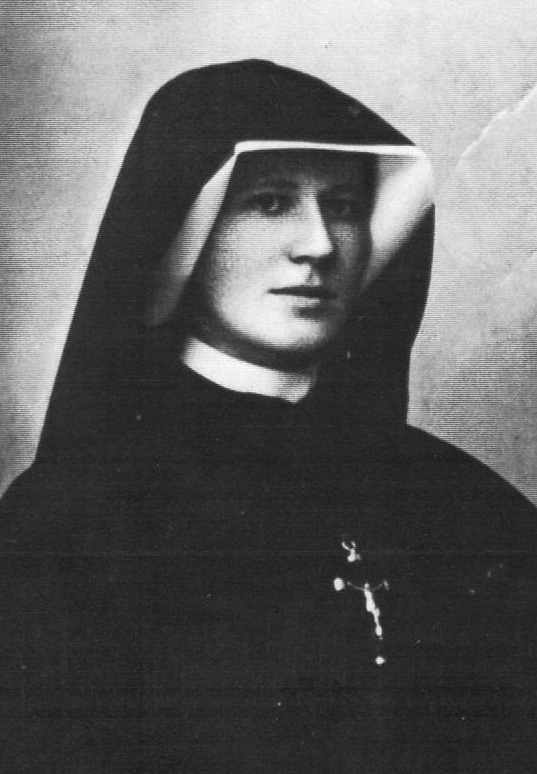
Perhaps no aspect of Saint Maria Faustina Kowalska’s spirituality is more radically counter-cultural than her understanding of physical pain. In contemporary Western thought, suffering is treated as an unmitigated evil to be eradicated at all costs, or as proof of a meaningless universe. But in the isolated tuberculosis wards of Prądnik Sanatorium outside Kraków between 1936 and 1938, Sister Faustina developed a profound theology of redemptive suffering that directly mirrored Catholic dogma on the Mystical Body of Christ.
Faustina was not a masochist who loved pain for its own sake. Her medical records indicate agonizing intestinal cramps, severe hemoptysis (coughing up blood), and extreme respiratory exhaustion. Yet in entry 342 of her diary, she recorded an astonishing conviction: “Suffering is the greatest treasure on earth; it purifies the soul. In suffering, we learn who is our true friend.”
The nut graph of redemptive suffering is that it converts unavoidable human pain into supernatural currency. Rather than allowing agony to deteriorate into bitter resentment or despair, Faustina united her physical sufferings with the Passion of Christ, offering every labored breath for the conversion of hardened sinners.
The Mechanism of Spiritual Currency
In classical Catholic doctrine, Saint Paul writes in Colossians 1:24: “I fill up in my physical body what is lacking in the afflictions of Christ on behalf of His body, which is the church.” Faustina applied this principle with mathematical precision. Whenever an acute wave of tuberculosis nausea struck her, she made an internal act of offering: “Jesus, accept this pain for the soul of the dying man who has no one to pray for him.”
Repeatedly, her diary notes how hours later, interior visions revealed souls on the verge of damnation who suddenly surrendered to divine mercy at their last gasp. In Faustina’s economy, suffering was never wasted; it was the ultimate lever of spiritual intercession.
An Antidote to Modern Nihilism
For individuals today enduring chronic illness, terminal diagnoses, or persistent emotional trauma, Faustina’s witness restores profound dignity to existence. Her life demonstrates that a bedridden patient unable to speak or move can accomplish more spiritual good for the human family than a mighty king or political titan, simply by offering their weakness in loving surrender.
Archival Sources & Verification
Kowalska, Maria Faustina. Diary: Divine Mercy in My Soul. Stockbridge, MA: Marian Press, 2005.
John Paul II. Salvifici Doloris: On the Christian Meaning of Human Suffering. Vatican City, 1984.
Chróściechowski, Julian. Cierpienie w Życiu Siostry Faustyny. London: Veritas Foundation, 1970.