





Key Findings & Archival Record
- Quarter 2 Master Theme: Practical spiritual warfare through structured, daily devotional habits.
- The 4-Part Arsenal: The Veneration of the Image, Recitation of the Chaplet, Observance of the 3:00 PM Hour, and Practice of the Three Degrees of Mercy.
- Psychological Benefit: Breaking cycle of despair and obsessive guilt through concrete, repeatable actions of trust.
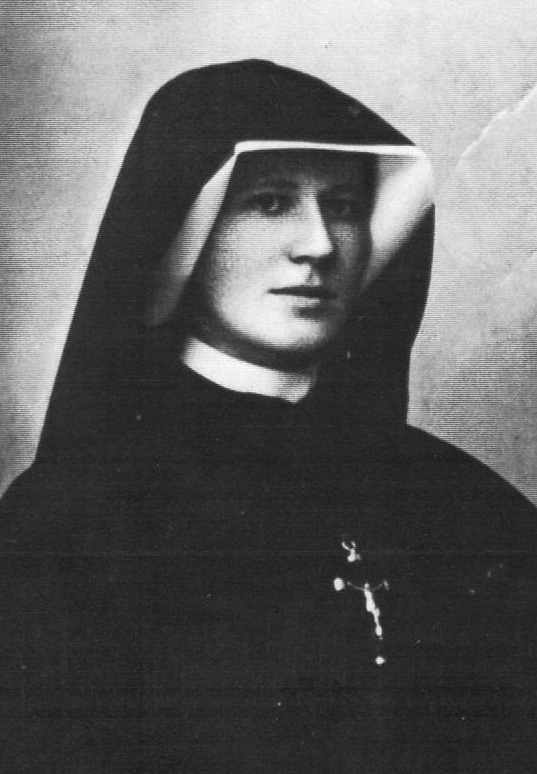
By the time Saint Maria Faustina Kowalska completed her intermediate notebooks in Kraków in 1937, the theological framework of Divine Mercy had evolved from an individual mystical encounter into a complete spiritual discipline. In Catholic theology, devotion is never meant to remain abstract philosophy; it must translate into concrete, repeatable habits that anchor the human mind against the turbulence of daily life.
Quarter 2 of our investigation details the construction of this spiritual arsenal. Where modern culture often offers vague affirmations or self-help techniques that falter during genuine crisis, the weapons dictated to Sister Faustina were forged in the crucible of spiritual warfare and impending world war.
The nut graph of the Divine Mercy arsenal is that it operates as a practical spiritual technology. Each element, from the five-syllable aspiration to the 3:00 PM pause, is engineered to interrupt the momentum of panic and reorient the intellect toward transcendent mercy.
The Four Components of the Daily Arsenal
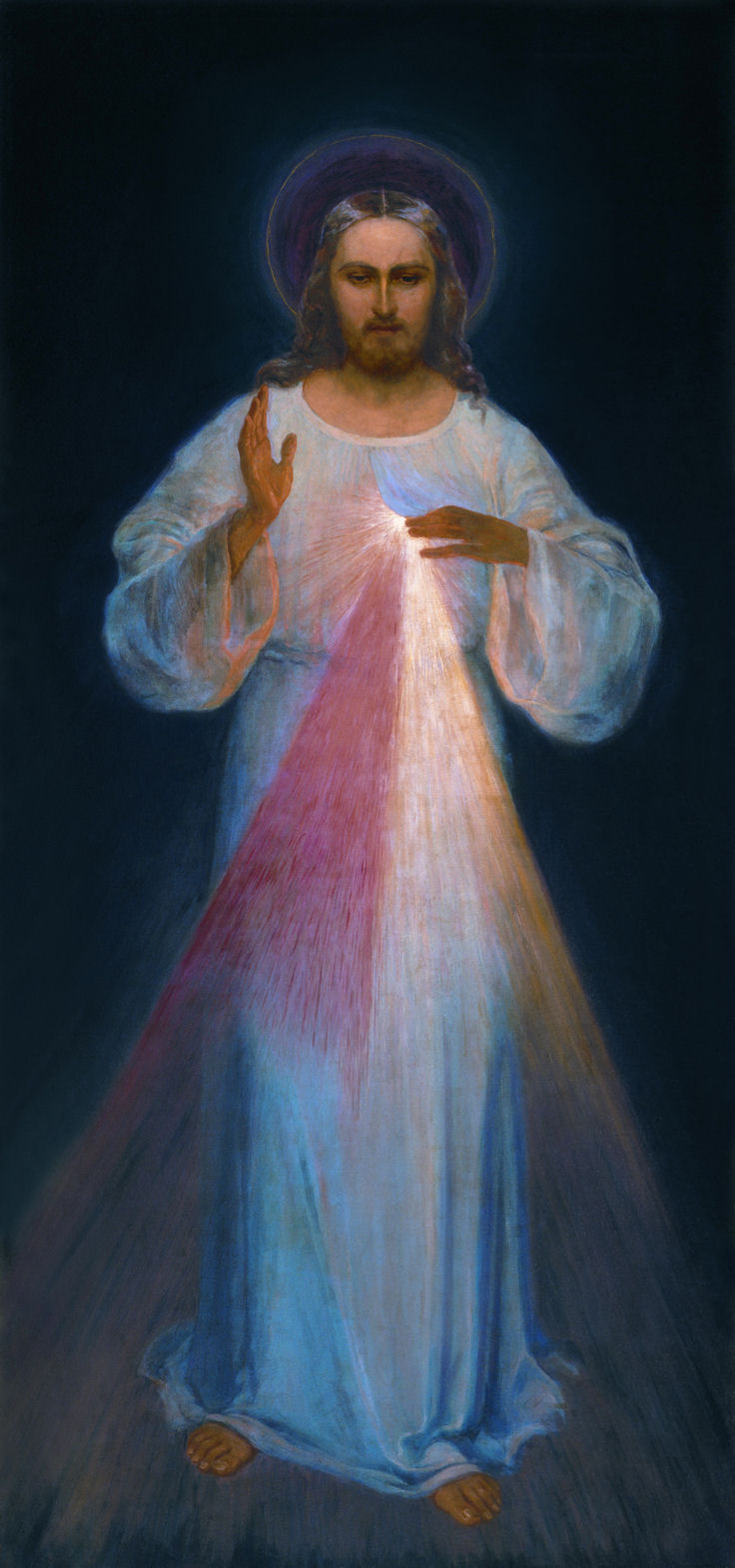
1. The Visual Anchor (The Image): Hanging an image of Divine Mercy in the home is not interior decor; it is an act of spiritual consecration. Christ promised in entry 47 that the soul who venerates this image will not perish, serving as a constant neurological and spiritual reminder of His abiding presence.
2. The 3:00 PM Pause (The Hour of Mercy): Marking the hour of Christ’s expiration on the Cross requires no lengthy liturgy. Even a thirty-second pause in an office, car, or kitchen to whisper “O Blood and Water, which gushed forth from the Heart of Jesus as a fount of mercy for us, I trust in You” fulfills the condition of grace.
3. The Eucharistic Shield (The Chaplet): Prayed on ordinary beads, the Chaplet takes less than seven minutes, yet it offers the infinite merit of the Passion for the reconciliation of dying souls and personal peace.
4. The Three Degrees of Mercy: Mercy is not passive sentiment. Faustina insisted that every day must contain at least one deliberate act of mercy performed through deed (practical charity), word (forgiveness or encouragement), or prayer (intercession).
Integrating the Habits into Modern Routine
The beauty of Saint Faustina’s daily arsenal lies in its complete compatibility with secular life. It was designed for busy mothers, overworked laborers, and stressed professionals. By weaving these micro-habits into the fabric of the working day, modern seekers can transform ordinary tasks into an uninterrupted liturgy of trust.


Archival Sources & Verification
Kowalska, Maria Faustina. Diary: Divine Mercy in My Soul. Stockbridge, MA: Marian Press, 2005.
Rozycki, Ignacy. The Devotion to the Divine Mercy: Canonical Analysis. Rome: Theological Commission, 1981.
Stackpole, Robert. Divine Mercy: A Guide from Genesis to Today. Marian Press, 2009.