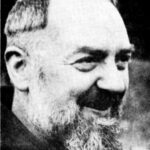
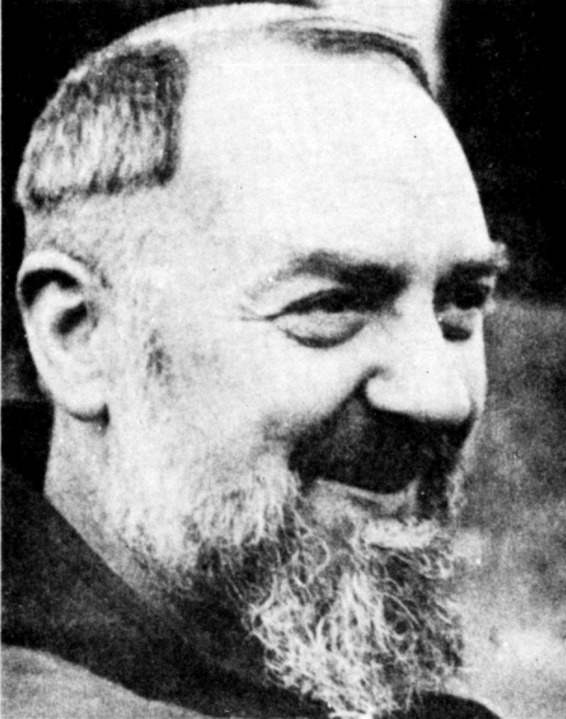

In November 1915, Italy plunged into the bloodiest conflict in its history. As millions of young men were mobilized for the trenches, the Royal Italian Army drafted twenty-eight-year-old Father Pio, stripping him of his Capuchin beard and thrusting him into the barracks of Naples.
Key Findings & Archival Record
- Military Unit: Private Francesco Forgione, Serial Number 12094, assigned to the 10th Company of the Italian Medical Corps (Corpo della Sanità Militare), Caserma di Sales, Naples.
- Humiliation of the Habit: Required to shave his full Capuchin beard, exchange his wool habit for a coarse military wool tunic and heavy boots, and live in foul barracks filled with blasphemy and coarseness.
- Medical Discharge Battles: Repeatedly collapsed on the drill grounds with pulmonary hemorrhages and high fevers; granted medical furloughs, recalled, and re-examined five times over three years.
- Final Honorable Discharge: Officially discharged on March 16, 1918, under Article 26 with “broncho-alveolitis of the apex of the lungs” and deemed permanently unfit for military service.
1. Scene Lede: Shaved and Uniformed in Naples
On November 6, 1915, Father Pio stood before army barbers in the sprawling Caserma di Sales in Naples. Under military regulations, no exceptions were made for Catholic religious. The razor sliced away the long Capuchin beard he had worn since his novitiate. Clad in a scratchy gray-green infantry uniform that hung loosely over his emaciated frame, Private Forgione looked nothing like an extraordinary mystic; he was merely one more peasant body destined for war logistics.
The atmosphere in the barracks was brutal. Profanity, crude gambling, and open mocking of religion were constant. For a contemplative soul accustomed to the absolute silence of monastic cloisters, the barracks were a living purgatory. In letters to Fr. Agostino, Pio described his interior desolation:
“The language I hear here pierces my heart like a dagger. The blasphemies against our Lord and His Mother are unceasing. Pray for me, that I may not lose my soul in this Babylon.” (Epistolario I, 712)
2. Archival Record: Collapsing on the Parade Ground
The military officers quickly realized that Private Forgione was a logistical disaster. He could not march; the weight of an infantry backpack drove him to his knees; and the damp coastal winter of Naples provoked severe coughing spells that left him coughing blood into his handkerchief.
Transferred to the Trinity Hospital infirmary, military medical boards repeatedly examined him. Suspecting him of malingering, officers subjected him to harsh clinical scrutiny. When physicians placed clinical thermometers under his arm, the mercury soared past forty-two degrees, sending orderlies scurrying for ice baths.
Between 1915 and 1918, Pio was sent home to Pietrelcina and San Giovanni Rotondo on successive temporary medical leaves, only to be recalled whenever Italian troop casualties on the Austrian front escalated. In December 1917, during the panic following the Italian catastrophe at the Battle of Caporetto, Private Forgione was recalled again.
“He was so weak that he had to be supported by two comrades while climbing the stone stairs of the military hospital. The doctors declared that he belonged in an open grave rather than a military camp.” — Ruffin, Ch. IX
3. March 16, 1918: The Final Discharge
On March 16, 1918, the Supreme Military Medical Board in Naples conducted his final physical examination. The senior medical colonel, inspecting Pio’s chest X-rays and listening to the crackling bronchial wheezing in his lungs, signed the official decree:
“Discharged permanently from military service due to chronic double broncho-alveolitis, apex pulmonary lesions, and profound physical debility.” (Italian War Ministry Record, 1918)
Free at last from military jurisdiction, Father Pio boarded the train back to Foggia and mounted the donkey path up Mount Gargano to San Giovanni Rotondo. Exactly six months later, those same lungs and limbs would receive the five bleeding wounds of the stigmata.
4. Spiritual Discernment: The Humility of the Drafted Priest
Padre Pio did not seek exemptions, forge medical documents, or flee his civic duty. He obeyed secular military law just as he obeyed Capuchin superiors, bearing the mockery of vulgar recruits with meekness. His military ordeal offers a powerful lesson to modern Christians called to live out their faith in hostile, secular environments: holiness does not require cloistered walls, but an anchored heart that remains pure in the midst of the world.
Archival Bibliography & Primary Sources
- Ruffin, C. Bernard. Padre Pio: The True Story. Our Sunday Visitor, 1982/1991 (Chapter IX: ‘Between Barracks and Friary’).
- Italian War Ministry Archives (Ministero della Guerra). Foglio Matricolare di Francesco Forgione (Classe 1887). Rome.
- da Pobladura, Melchiorre, ed. Epistolario I. San Giovanni Rotondo, 1984.
- Carty, Rev. Charles Mortimer. Padre Pio the Stigmatist. Radio Replies Press, 1951.
Continue the investigation: Read the next chapter in the series: The Transverberation (August 5-7, 1918): The Celestial Visitor with the Flaming Dart →