

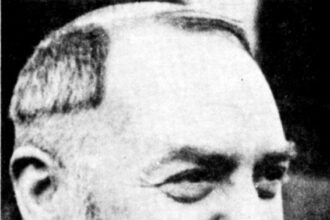
In July 1919, the General Curia of the Capuchins and the Holy Office summoned Italy’s foremost medical skeptic: Dr. Amico Bignami, professor of general pathology at the Royal University of Rome. Convinced that the friar’s wounds were self-inflicted by chemical irritants, Bignami devised an unyielding scientific trial.
Key Findings & Archival Record
- Medical Examiner: Dr. Amico Bignami (1862–1929), full professor of medical pathology at the Royal University of Rome, co-discoverer of the malaria transmission cycle, and confirmed positivist atheist.
- The Chemical Hypothesis: Bignami theorized that the wounds began as neurotic skin lesions and were artificially maintained by deliberate applications of tincture of iodine or caustic acids.
- The Protocol (July 1919): All wounds disinfected, dressed in sterile gauze, and bound with bandages sealed with hot sealing wax bearing official clinical stamps; guarded by friars for eight days.
- The Forensic Outcome: When seals were broken in the presence of physicians and superiors, the wounds had neither healed nor granulated, but continued to bleed fresh arterial blood from clean, symmetrical tissue.
1. Scene Lede: The Skeptic Enters the Friary
Dr. Amico Bignami arrived on Mount Gargano in late July 1919 with the supreme confidence of nineteenth-century European positivism. As a leading medical light of the University of Rome who had revolutionized infectious disease pathology, Bignami had no patience for clerical mysticism. In his view, every miracle was merely an undetected fraud or a manifestation of psychiatric hysteria.
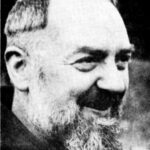
Meeting thirty-two-year-old Padre Pio in the friary dispensary, Bignami observed a pale, delicate friar who submitted to examination without protest. Bignami examined the hands, feet, and chest. He noted that the lesions were circular, symmetrical, and covered by blackish-red scabs.
Bignami formulated an immediate hypothesis: Padre Pio, suffering from subconscious religious autosuggestion, was surreptitiously painting his hands with tincture of iodine or caustic acids to prevent healing and maintain the pious admiration of the masses. To dismantle the phenomenon once and for all, Bignami implemented an occlusive dressing test.
2. Archival Record: The Eight-Day Occlusive Trial
The protocol was rigorous and unyielding:
- Dr. Bignami thoroughly cleansed all five lesions with sterile solutions to remove any residual topical substances.
- The wounds were coated with neutral sterile petrolatum ointment and wrapped in thick layers of cotton gauze.
- The outer bandages were bound tightly with tape and sealed with red molten wax imprinted with an official medical seal.
- Padre Pio was forbidden from touching his dressings, and friars were placed on rotational watch outside his cell.
Pathological science is clear: if an ulcer or chemical burn is deprived of caustic irritants and kept under sterile occlusive bandaging for eight days, the human body’s regenerative response is triggered. Epithelialization, tissue granulation, and wound closure inevitably begin.
Eight days later, on August 3, 1919, Dr. Bignami returned to San Giovanni Rotondo. In the presence of the friary community, he carefully inspected the wax seals. Every impression was intact; not a single band had been tampered with or cut. Taking surgical shears, Bignami sliced through the bandages and peeled back the gauze.
“The wounds were exactly as they were eight days prior. They had not healed; they had not closed; they had not diminished by a single millimeter. Fresh, bright blood was oozing freely from the central lesions.” (Dr. Bignami, Clinical Casebook, August 1919)

3. The Pathologist’s Intellectual Retreat
Bignami was intellectually honest enough to acknowledge the failure of his chemical fraud thesis. The occlusive test proved conclusively that external caustic agents were not maintaining the wounds. Yet, unable to accept a supernatural explanation, Bignami retreated into theoretical psychopathology.
In his official report to the Ministry of the Interior and the Holy Office, Bignami hypothesized that the wounds were originated by “unconscious neurotic autosuggestion acting upon vasomotor nerves.” Yet when challenged by other university pathologists to produce a single historical or clinical example of a patient maintaining five symmetrical, transfixing, bleeding arterial wounds for months through mere imagination, Bignami had no answer. Science had recorded the facts; it could not explain them.
4. Spiritual Discernment: The Limits of Materialism
The confrontation between Dr. Amico Bignami and Padre Pio marks a turning point in twentieth-century apologetics. Bignami possessed world-class credentials, scientific rigor, and institutional authority, yet his materialist framework collapsed before five bleeding wounds on a mountain friar. Padre Pio never argued with Bignami; he simply offered his hands to be cleansed, bandaged, and sealed. True holiness does not fear secular investigation; it quietly outlasts it.
Archival Bibliography & Primary Sources
- Ruffin, C. Bernard. Padre Pio: The True Story. Our Sunday Visitor, 1982/1991 (Chapter XII: ‘Holiness or Hysteria?’).
- Bignami, Prof. Amico. Relazione medica del prof. Amico Bignami sul caso del Padre Pio. Rome: Tipografia Vaticana, 1919.
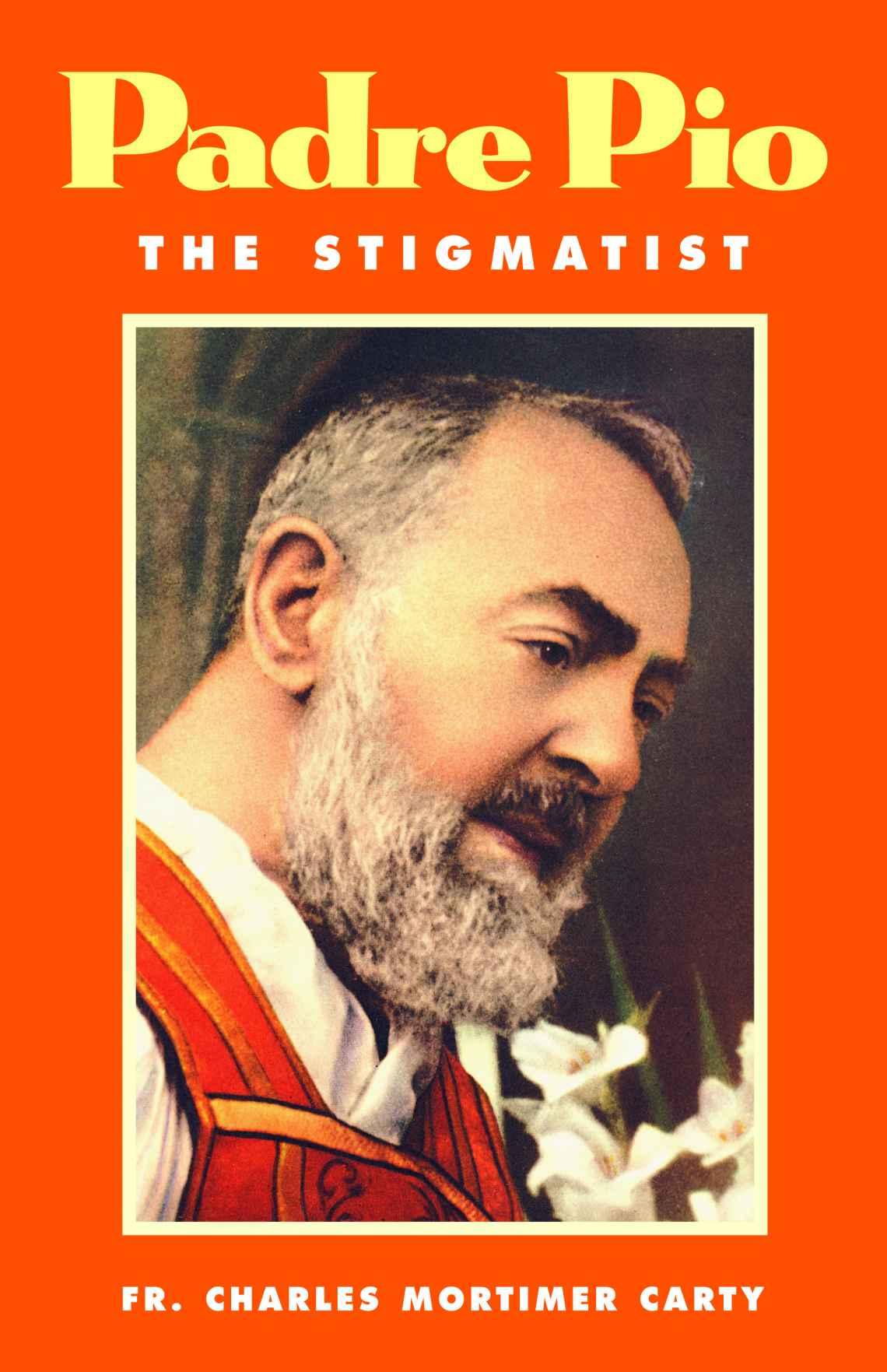
- Carty, Rev. Charles Mortimer. Padre Pio the Stigmatist. Radio Replies Press, 1951 (Chapter XI: ‘Medical Reports’).
- Zavala, José María. Padre Pío. LibrosLibres, 2010.
Continue the investigation: Read the next chapter in the series: The Pectoral Cross: Dr. Giorgio Festa’s Surgical Audit (1919-1920) →