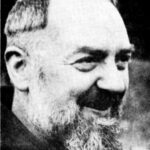

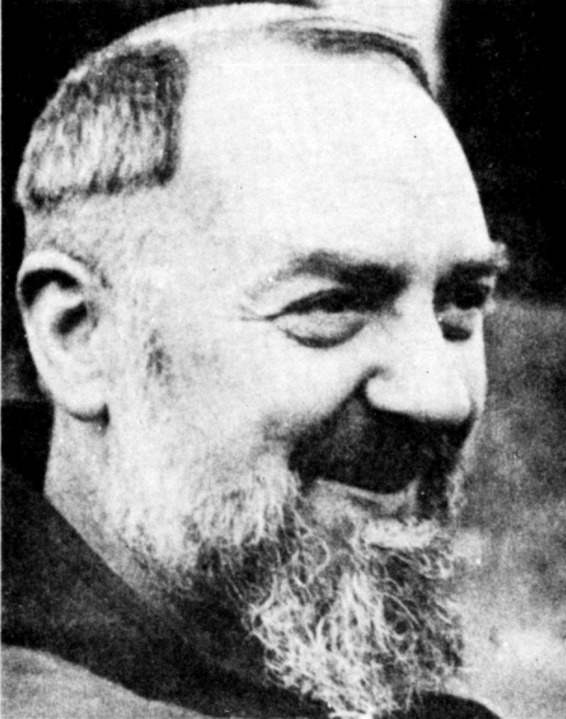
Among all the supernatural phenomena surrounding Padre Pio, none was more widely experienced or more fiercely debated by scientists than his “odor of sanctity” (*profumo*): a sudden, penetrating fragrance of fresh violets, roses, and incense that emanated from his person, his letters, and his distant presence.
Key Findings & Archival Record
- Phenomenological Term: Mystical *osmogenia*, the spontaneous emission of supernatural aromatic fragrances without physical essential oils or chemical aerosols.
- Documented Scents: Violets, roses, carnations, incense, pine, and bitter almonds, frequently shifting within seconds depending on spiritual circumstances.
- Distance Bilocation of Perfume: Verified across international postal routes and hospital rooms thousands of kilometers away from San Giovanni Rotondo, often serving as an interior signal of answered prayer.
- Skeptical Rebuttal: Chemical analyses conducted by friary doctors and inquisitorial auditors eliminated the use of commercial perfumes, floral waters, or hidden herbal sachets in his monastic cell.
1. Scene Lede: A Wave of Violets in the Mountain Wind
San Giovanni Rotondo in the 1920s was a rugged, dusty mountain town smelling of woodsmoke, donkeys, and open limestone quarries. Yet stepping into the narrow stone hallway outside Room 1 of the Capuchin friary, visitors were frequently overwhelmed by an intoxicating, sweet fragrance.
It was not the heavy scent of incense from church altars; it was the sharp, refreshing perfume of a thousand wild violets blooming simultaneously in midwinter. Friars, visiting cardinals, atheist journalists, and peasant pilgrims all reported the same sensory experience. When Padre Pio passed down the cloister walk, the perfume lingered in the air for minutes after he had entered his cell.
When questioned about it by curious visitors, Padre Pio brushed it off with self-deprecating humor:
“Do you think I keep bottles of French perfume in my pocket? It is the Lord who sends these fragrances to console poor souls who need encouragement.” (Ruffin, Ch. XXII)
2. Archival Record: The Remote Fragrance Cases
The most inexplicable aspect of the perfume was its projection across immense geographical distances. In the sworn archives of the beatification *Positio*, dozens of witnesses documented smelling the scent hundreds of miles away at the precise moment of medical deliverance or spiritual conversion.
Dr. Romanelli, who returned to Barletta forty miles away after his examinations, recorded in his personal journal that while sitting at his dining room table weeks later, a sudden burst of violent rose perfume filled his library for fifteen minutes, accompanied by an intense interior urge to pray for Padre Pio.
Similarly, letters sent from San Giovanni Rotondo to spiritual children in Paris, London, and New York were documented by postal carriers and recipients as radiating a sweet floral scent that permeated entire rooms the moment the seal was cracked.
“I opened the envelope in my apartment in Florence. My wife ran in from the kitchen asking what perfume I had just sprayed. The single sheet of paper scented the entire house for three days.” — Sworn Deposition, Positio super virtutibus
3. The Physical Audits: Searching Cell No. 1
Suspicious Capuchin superiors and inquisitors repeatedly searched Padre Pio’s cell in his absence. Friars turned over his mattress, inspected his linen chest, examined his prayer books, and scraped dust from the floorboards hunting for trace essences or perfumed oils.
They found nothing: only coarse wool, rough lye soap, a plain wooden kneeler, and worn sandals. The fragrance did not emanate from bottles; it emanated from the blood of the stigmata itself, vanishing and reappearing according to divine purpose.
4. Spiritual Discernment: The Aroma of Christ
Saint Paul wrote in his Second Letter to the Corinthians: *”For we are the aroma of Christ to God among those who are being saved”* (2 Cor 2:15). In the life of Padre Pio, this scriptural metaphor took on physical, tangible reality. The perfume was never an end in itself; it was a calling card of grace, reminding suffering souls that they were remembered, interceded for, and held in the presence of God.
Archival Bibliography & Primary Sources
- Ruffin, C. Bernard. Padre Pio: The True Story. Our Sunday Visitor, 1982/1991 (Chapter XXII: ‘The Charismatic’).
- Carty, Rev. Charles Mortimer. Padre Pio the Stigmatist. Radio Replies Press, 1951 (Chapter III: ‘His Perfume Odor’).
- Zavala, José María. Padre Pío. LibrosLibres, 2010 (Capítulo XXIII: ‘Perfume embriagador’).
- Congregation for the Causes of Saints. Positio super virtutibus. Vatican City, 1997.
Continue the investigation: Read the next chapter in the series: The Carbolic Acid Smear: Unpacking the Pharmacy Receipt Slander →